Last Updated: October 4, 2026
🛒 Best Price Today on Amazon
Prime members get fast, free shipping on everything above, plus member-only deals. New members get a 30-day free trial — cancel anytime.
Should You Use Aquarium Salt for Betta Fish?
Aquarium salt is a topic of ongoing debate in the betta fish community. Aquarium salt (sodium chloride without additives) has legitimate uses in treating certain betta illnesses — it can help heal wounds, combat external parasites, and reduce osmotic stress in sick fish. However, bettas are freshwater fish from soft, low-mineral waters, and they do not require salt as a permanent tank additive. Used correctly and at the right dose, aquarium salt is a helpful tool in your fishkeeping medicine cabinet; used incorrectly, it stresses bettas and harms plants and snails.
As an Amazon Associate we earn from qualifying purchases at no extra cost to you.
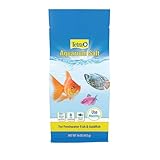




The key is using aquarium salt therapeutically and temporarily — not as a routine water additive. A typical treatment dose for bettas is 1 tablespoon per 5 gallons for general stress or disease treatment, used for no more than 2–4 weeks before gradually reducing via water changes. Never use table salt, road salt, or reef salt — only pure aquarium salt formulated for freshwater use.
API Aquarium Salt
API Aquarium Salt is the most widely available and trusted brand for freshwater therapeutic use. Made from evaporated sea water, it contains no additives, dyes, or iodine that could harm fish. It dissolves quickly and clearly in aquarium water. The dosing instructions on the package are straightforward, and the resealable box stays dry and fresh for years. This is the standard therapeutic salt product recommended by most veterinarians and experienced betta keepers.
Aquarium Therapeutics Freshwater Salt
Aquarium Therapeutics Freshwater Salt is another clean, additive-free sodium chloride option formulated for freshwater fish treatment. It is available in multiple sizes, making it economical for larger tanks or frequent treatment regimens. The fine granule format dissolves rapidly without clouding. A good alternative if API is not available in your area.
Fritz Aquatics Freshwater Salt
Fritz Freshwater Salt is a pharmaceutical-grade sodium chloride product widely used by fish stores and breeders. It is extremely pure, dissolves completely, and comes in a moisture-resistant resealable bag. Fritz is a trusted brand in the professional fishkeeping world, and their salt is an excellent choice for betta treatments, fish-room use, or anyone who goes through salt regularly.
What to Know Before Using Aquarium Salt for Bettas
- Use therapeutically only: Bettas do not need permanent salt; use it for illness treatment, then taper off.
- No iodine or additives: Only use salt specifically labeled for aquarium/freshwater use.
- Harms plants and snails: Live plants and invertebrates are sensitive to salt; remove them or treat in a separate hospital tank.
- Standard dose: 1 tablespoon per 5 gallons for general treatment; increase only under veterinary guidance.
- Salt does not evaporate: When topping off evaporated water, do not add more salt — the salt stays while only water evaporates.
- Consult a vet for serious illness: Salt is a supportive treatment, not a cure for bacterial or parasitic infections.
How to Dose Aquarium Salt Safely for a Sick Betta
When aquarium salt is genuinely needed, careful dosing makes the difference between helping your betta and adding stress. The widely used therapeutic concentration for general illness or wound healing is around one tablespoon of pure aquarium salt per five gallons of water. Because salt does not evaporate or leave the tank on its own, it should always be measured against your actual water volume and dissolved fully in a separate cup of tank water before being added slowly, never poured directly over the fish as undissolved granules. Adding it gradually over a few minutes lets the betta adjust to the rising salinity rather than experiencing a sudden shock.
Salt treatments are meant to be temporary, not a permanent feature of the tank. Most keepers limit a course to a couple of weeks at most, then remove the salt the only way possible, through partial water changes with fresh dechlorinated water that contains no salt. Each change dilutes the concentration step by step until the tank is back to plain freshwater. Throughout treatment, keep the water warm and clean and watch the betta closely; signs of distress such as gasping, clamped fins, or lethargy mean the salinity is too high and call for an immediate water change to dilute it. Used briefly and at the correct dose, salt is a useful tool, but it is never a substitute for diagnosing the underlying problem.
When to Skip Salt and What It Can Harm
Aquarium salt is not a cure-all, and there are clear situations where it does more harm than good. Bettas are freshwater fish that evolved in soft, low-mineral water, so they do not need salt as a routine additive; dosing a healthy tank “just in case” only burdens the fish with osmotic work it does not require. Salt also does nothing for many common problems and can mask symptoms that need a specific medication, so identifying the actual ailment first is always the better path. For internal infections, certain parasites, and fungal issues, a targeted treatment is usually far more effective than salt alone.
It is just as important to know what salt can damage. Live plants generally dislike salt, and many popular aquarium plants will wilt, yellow, or die at therapeutic salt levels, so a planted betta tank is a poor place for whole-tank salting. Snails, shrimp, and other freshwater invertebrates are especially sensitive and can be killed by concentrations a fish would tolerate. For this reason, many keepers treat a sick betta in a bare hospital container rather than dosing the main display. Finally, only ever use pure aquarium salt formulated for freshwater fish; table salt with anti-caking agents or iodine, road salt, and marine reef salt are all unsuitable and potentially harmful. Matching the treatment to the situation protects your betta and everything living alongside it.
Final Thoughts
Aquarium salt is a valuable tool when used correctly for betta fish treatment. API Aquarium Salt is the go-to product for most hobbyists due to its wide availability and reliable purity, while Fritz and Aquarium Therapeutics are excellent professional-grade alternatives. Keep a box in your fishkeeping kit, use it thoughtfully during illness, and your betta will benefit from this time-tested therapy without the risks of overuse.
Frequently Asked Questions
How much aquarium salt do I use for a betta?
The common treatment strength is one teaspoon of aquarium salt per gallon, dissolved in a cup of tank water before adding. For a stronger short-course treatment some keepers go to two teaspoons per gallon. Always dose to the actual water volume, not the tank’s advertised size, since substrate and decor displace a surprising amount.
Does a betta need salt in its water all the time?
No. Bettas are freshwater fish from shallow rice paddies and slow streams, not brackish habitats. Continuous salt exposure stresses their kidneys and can damage live plants. Use aquarium salt as a short-term medication for specific problems, typically no longer than seven to ten days, then taper it out with plain water changes.
What problems does aquarium salt actually treat?
Salt helps with mild fin rot, some external bacterial and fungal infections, and ich, by disrupting parasite osmoregulation and reducing the fish’s own osmotic workload. It also blocks nitrite uptake across the gills, which makes it useful during a stalled cycle. It does nothing for internal bacterial infections or organ disease.
Can I use table salt or Epsom salt instead?
Do not use table salt, which usually contains iodine and anti-caking agents. Aquarium salt is plain sodium chloride with nothing added. Epsom salt is magnesium sulfate, a completely different compound used as a laxative for constipation and bloat or to reduce swelling in dropsy cases; the two are not interchangeable.
How do I remove salt after treatment?
Salt does not evaporate or get filtered out, so only water changes remove it. Change 25 to 30 percent every day or two with dechlorinated fresh water and no added salt, and the concentration drops steadily. Avoid a single massive change, since a fast swing in salinity is its own stressor for an already sick fish.
Related Reviews & Guides



Best Aquarium Overflow Box for Freshwater Tanks: Top Picks

Best Pond Pump for Winter: Well-Researched, Reliable Top Picks