Last Updated: October 21, 2026

TL;DR: Aquarium Melafix and Pimafix are plant-derived treatments for bacterial and fungal infections in freshwater and marine fish. Used correctly together, they are mild, supportive treatments for minor bacterial and fungal problems; neither replaces an antibiotic or a proper parasite treatment.
Aquarium Melafix and Pimafix: Complete Guide to Fish Disease Treatment
Watching a healthy fish develop ragged fins, white cotton patches, or open sores is one of the more stressful moments in fish-keeping. Melafix and Pimafix — API’s most widely sold natural treatments — are frequently the first tools hobbyists reach for, and for good reason: they are inexpensive and easy to source. Evidence for how well they work is limited, so treat them as supportive care for minor injuries rather than a cure.
As an Amazon Associate we earn from qualifying purchases at no extra cost to you.
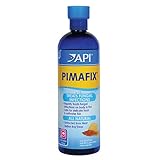


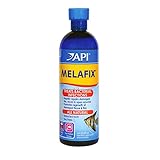

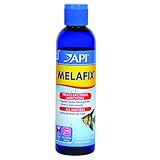


Understanding exactly what each product treats — and where they overlap — prevents the common mistake of using only one when the other is also indicated, or over-dosing in a misguided effort to accelerate recovery.
🛒 Best Price Today on Amazon
Prime members get fast, free shipping on everything above, plus member-only deals. New members get a 30-day free trial — cancel anytime.
Start 30-Day Prime Free Trial →See Today’s Amazon DealsMelafix vs Pimafix: What Each Treats
Melafix (melaleuca — tea tree oil extract) targets bacterial infections. The active compounds disrupt bacterial cell membrane integrity, which is why it is marketed for minor fin damage, wounds and cloudy eye. Proof that it cures columnaris, mouth rot or established bacterial infections is weak.
Pimafix (pimenta racemosa — West Indian bay leaf extract) targets fungal infections. It is marketed against fungal growths such as Saprolegnia and Achlya species — the cotton-like white or grey growths most commonly seen on wounds, eggs, and stressed fish. It also has some antibacterial activity, particularly against gram-negative organisms that Melafix covers less well.
API recommends using both products together for broad-spectrum coverage. The combination is not contraindicated — there is no documented interaction between the two extracts — and combined use reduces the risk of a mixed infection (bacterial + fungal presenting simultaneously) being only partially treated.
Top Melafix and Pimafix Products


As an Amazon Associate we earn from qualifying purchases. Product prices and availability are accurate as of the date/time indicated.



As an Amazon Associate we earn from qualifying purchases. Product prices and availability are accurate as of the date/time indicated.


As an Amazon Associate we earn from qualifying purchases. Product prices and availability are accurate as of the date/time indicated.
Dosing Guide
Both products use a 7-day treatment cycle. Dose daily for 7 days, then perform a 25% water change at the end of the cycle. If symptoms persist, repeat the cycle once.
- Melafix standard dose: 5 mL per 40 litres (10 US gallons) of aquarium water
- Pimafix standard dose: 5 mL per 40 litres (10 US gallons) of aquarium water
- Combined use: use the full dose of each independently — do not halve doses when combining
- Marine tanks: Melafix Marine (separate formulation) is available; use the marine-labelled product for saltwater tanks, since it carries the correct usage guidance
Disease Identification and Treatment Selection Table
| Symptom | Likely Cause | Treatment | Notes |
|---|---|---|---|
| Ragged, deteriorating fins | Bacterial fin rot | Melafix | Improve water quality simultaneously |
| White/grey cotton patches on body or wounds | Fungal (Saprolegnia) | Pimafix | Often secondary to injury |
| Cottony growth on mouth | Bacterial + fungal mixed | Melafix + Pimafix | Columnaris can mimic fungal appearance |
| Cloudy eye | Bacterial infection or injury | Melafix | Check for physical damage first |
| Open sores / ulcers | Bacterial ulcer disease | Melafix + Pimafix | Serious; consider veterinary antibiotic if no improvement in 7 days |
| Fungus on eggs | Fungal (Achlya) | Pimafix (follow label) | Remove affected eggs where possible |
| Ich / white spot | Parasitic (Ichthyophthirius) | Neither — use copper or formalin | Melafix/Pimafix have no anti-parasitic action |
Safety: Invertebrates, Plants, and Biological Filtration
At labelled doses, both products are generally safe for snails, shrimp, and aquatic plants. Some hobbyists report that sensitive shrimp species (Crystal Red, Caridina cantonensis varieties) show stress at full doses — consider moving shrimp to a separate vessel during treatment.
The manufacturer says biological filtration is not harmed at labelled doses, but test ammonia and nitrite during treatment. Both compounds are organic and degrade naturally; they do not accumulate in filter media in a way that disrupts the nitrogen cycle. However, remove activated carbon before and during treatment — carbon adsorbs the active compounds and renders them ineffective within hours.
For guidance on maintaining water quality during disease treatment, our aquarium water quality parameters guide covers ammonia, nitrite, and pH ranges that support recovery.
If you’re dealing with a disease outbreak in a community tank, review our quarantine tank setup guide — isolating sick fish before treatment is nearly always the better approach for protecting healthy tankmates and allowing targeted dosing.
For more serious bacterial infections that do not respond to plant-based treatments, see our overview of aquarium fish disease treatments including antibiotic options and when to involve an aquatic veterinarian.
FAQ: Aquarium Melafix and Pimafix
Can I use Melafix and Pimafix together at the same time?
Yes — API explicitly recommends combining them for broad-spectrum treatment. Add each product at its full labelled dose; they do not interact negatively and the labels describe them as compatible. Mix both into a cup of tank water before adding to distribute evenly.
Will Melafix or Pimafix harm my labyrinth fish (bettas, gouramis)?
There are reports, not conclusively confirmed, of Melafix causing respiratory distress in bettas and other labyrinth fish at full doses. The tea tree oil may coat the labyrinth organ’s surface and impair aerial breathing. Many keepers avoid Melafix in betta and gourami tanks altogether; if you use it, follow the label, keep the surface clear for air access and watch for gasping.
Does Melafix treat ich (white spot disease)?
No. Melafix and Pimafix have no anti-parasitic mechanism. Ich is caused by the ciliate parasite Ichthyophthirius multifiliis and requires dedicated treatments: heat therapy, formalin, copper-based medications, or anti-parasitic medications containing malachite green. Do not delay proper ich treatment by trying plant-based remedies first.
How long do Melafix and Pimafix remain effective after opening?
The active plant extracts are stable for approximately 2 years from manufacture when stored in a cool, dark location with the cap tightly sealed. Exposure to heat above 30°C or direct sunlight accelerates oxidative degradation of the terpene compounds. Discard any product that has changed colour significantly (darkened) or developed an off-odour.
Why is my fish not improving after a full 7-day Melafix course?
Non-response after 7 days indicates either a severe bacterial infection requiring prescription antibiotics, a parasitic condition misidentified as bacterial, or ongoing poor water quality that prevents healing. Test ammonia, nitrite, nitrate, and pH before repeating treatment. If water quality is poor, a 30–50% water change with dose replenishment is more valuable than simply extending the treatment cycle.
Frequently Asked Questions
What are Melafix and Pimafix used for?
Melafix is a tea tree oil preparation marketed for damaged fins, ulcers and minor bacterial wounds, while Pimafix uses West Indian bay oil and targets fungal infections. Both are mild botanical treatments and are best regarded as supportive aids for minor injuries rather than cures for advanced disease.
Can they be used together?
The manufacturer says yes, and many keepers dose both for a week. Understand the limits though: neither substitutes for a proper antibiotic when you see genuine fin rot progressing, dropsy or septicaemia. If there is no improvement within five to seven days, move to a targeted medication.
Are they safe for bettas and gouramis?
Use caution. The oils form a surface film that reduces gas exchange, and there are many reports of respiratory distress in labyrinth fish. If you do dose, halve the strength, run an airstone for surface agitation and remove the lid. Many keepers avoid these products entirely for anabantoids.
Do I need to remove carbon and turn off the skimmer?
Yes to carbon, because activated carbon adsorbs the active oils and renders the treatment pointless. In a marine tank switch the skimmer off or expect a violent overflow, since these oils foam heavily. Do a water change and resume carbon once the course is finished.
Will they harm my biological filter or invertebrates?
They are generally described as filter safe, though some keepers see a small ammonia bump, so test daily during treatment. Shrimp and snails are more sensitive to the oils than fish are. Treat in a hospital tank where the dose is controlled rather than dosing a display full of invertebrates.
55 Gallon Aquarium Dimensions Size Guide With Measurements (2026)

How Many Fish in a 55 Gallon Tank: Chart, Numbers, Limits