Last Updated: October 4, 2026
- Top Pick: Drip Acclimation Container for Fish & Corals – Hanging Acclimation Box for Saltwater & Freshwater Aquariums, Small
- Best Value: IOAOI Drip Acclimation Container for Fish & Corals – Hanging Acclimation Box for Saltwater & Freshwater Aquariums, Large
- Premium Choice: Magnet Acclimation Box for Saltwater Fish Quarantine Aquarium Isolation Box for Aquarium Fish Anemone Reef Coral
🛒 Best Price Today on Amazon
Prime members get fast, free shipping on everything above, plus member-only deals. New members get a 30-day free trial — cancel anytime.
Introduction
Properly acclimating new fish to your aquarium is one of the most critical steps in the fish-keeping process — sudden changes in temperature, pH, and salinity between the transport bag and tank water can cause severe stress, shock, and death even in otherwise healthy fish. A careful, methodical acclimation process bridges the gap between the seller's water parameters and your own, giving new arrivals the best possible start in their new home. Whether you use the float method, drip method, or a combination, the right tools make the process straightforward and stress-free.
As an Amazon Associate we earn from qualifying purchases at no extra cost to you.



What to Look For
- Acclimation Method: The drip acclimation method is superior for sensitive fish like discus, shrimp, and marine species — it slowly equalizes water parameters over 30–60 minutes using a drip line, minimizing osmotic shock far more effectively than the basic float-and-dump approach.
- Temperature Matching: Always float the sealed bag in the aquarium for 15–20 minutes before opening it to equalize temperature — even a 2–3°F difference can stress fish significantly, particularly sensitive tropical species.
- Quarantine Consideration: Whenever possible, acclimate new fish into a dedicated quarantine tank first to observe them for disease over 2–4 weeks before introducing them to your main display aquarium, protecting your existing livestock.
Top Picks
Koller Products Aquaview 2-Gallon Aquarium Kit
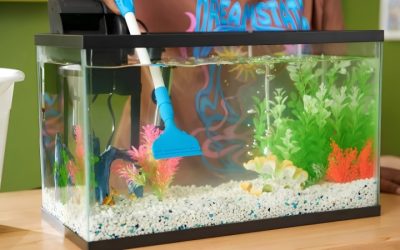
A small, inexpensive aquarium like the Koller Aquaview serves double duty as both a quarantine tank and an acclimation vessel. Its compact size makes it easy to set up and maintain temporarily, and the included LED lighting and filtration provide enough infrastructure to keep new fish stable during a 2–4 week observation period before moving them to the main tank.
Aquarium Drip Acclimation Kit with Airline Tubing
A simple drip acclimation kit consisting of airline tubing, a gang valve or drip regulator, and a small bucket is the standard tool for sensitive species acclimation. You place the new fish in a bucket with their transport water, set the drip line to add 1–2 drips per second from your aquarium, and let the bucket volume double over 30–60 minutes — a gentle, reliable method trusted by professional fish importers worldwide.
Seachem Prime Water Conditioner
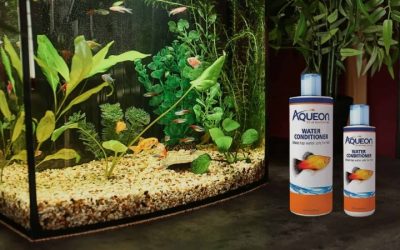
Seachem Prime is the most widely recommended water conditioner among experienced aquarists, detoxifying ammonia and nitrite in addition to neutralizing chlorine and chloramines. During acclimation, a small dose of Prime in the receiving water provides an extra layer of protection against the ammonia that inevitably builds up in transport bags, giving stressed new arrivals a safer initial environment from their first moments in your tank.
Why Acclimation Matters and How to Prepare
Properly acclimating new fish bridges the difference between the water they arrive in and the water in your tank. The transport bag may differ from your aquarium in temperature, pH, and, for marine fish, salinity, and sudden exposure to those differences causes stress, shock, and sometimes death even in healthy fish. Acclimation gives the fish time to adjust gradually, dramatically improving survival. The process begins the moment you get the fish home: keep the bag out of direct light and handle it gently to avoid further stressing already-shipped fish.
Before acclimating, prepare your tank so the new arrival enters a stable, welcoming environment. The tank should be fully cycled, with ammonia and nitrite at zero, and water parameters stable. Dimming the lights during introduction reduces stress, and having a quarantine tank ready is strongly recommended, since isolating new fish for a few weeks lets you observe for disease before they reach your main display. A little preparation makes the acclimation itself smoother and safer for both the new fish and your existing stock.
Acclimation Methods Step by Step
Two common methods are floating acclimation and drip acclimation. In the floating method, you first float the sealed bag in the tank for around 15 minutes so the temperatures equalize, then open the bag and add small amounts of tank water to it every few minutes over the next 20 to 30 minutes, letting the fish slowly adjust to your water chemistry. Drip acclimation, preferred for sensitive species and most marine fish, uses airline tubing to slowly drip tank water into a container holding the fish over a longer period, achieving a very gradual transition.
Whichever method you use, the final step is the most important: net the fish out of the acclimation water and place it gently into the tank, rather than pouring the bag or container water in. The shipping water can carry ammonia, disease, or other contaminants you do not want in your tank, so it should be discarded. Avoid the temptation to rush, since slow, patient acclimation is precisely what prevents shock. After introducing the fish, keep the lights low and leave it undisturbed to settle in, and watch over the following days for normal behavior and eating, which signal a successful, low-stress transition.
Frequently Asked Questions
How long should I acclimate new fish?
Floating acclimation usually takes about 30 to 45 minutes total, while drip acclimation for sensitive or marine fish can take longer. The goal is a slow, gradual transition rather than a fixed time.
Should I add the bag water to my tank?
No. Net the fish out and discard the shipping water, which can carry ammonia, disease, or contaminants. Adding it to your tank risks introducing those problems to your existing fish.
What is drip acclimation?
Drip acclimation slowly drips tank water into a container holding the new fish through airline tubing over a longer period. It gives a very gradual transition, preferred for sensitive species and marine fish.
Do I need to quarantine new fish?
Quarantining new fish for a few weeks in a separate tank is strongly recommended, especially in marine setups. It lets you observe for disease and treat problems before they reach your main tank.
Why is acclimation so important?
Sudden changes in temperature, pH, or salinity between the bag and your tank shock fish and can be fatal. Gradual acclimation lets them adjust safely, greatly improving survival.
Final Thoughts
Taking 30–60 extra minutes to properly acclimate new fish is an investment that dramatically improves survival rates and long-term health — the small amount of time and equipment required is trivial compared to the cost of losing prized fish to preventable acclimation stress. Make proper acclimation a non-negotiable part of your fish-keeping routine and your new arrivals will thank you with vibrant colors and active behavior from day one.
Related Reviews & Guides

6 Best Fish Foods: Top Picks Reviewed and Compared (2026)
Best Stress Coat for New Fish: A Careful Expert Buyer Guide