Last Updated: October 21, 2026
🛒 Best Price Today on Amazon
Prime members get fast, free shipping on everything above, plus member-only deals. New members get a 30-day free trial — cancel anytime.
Top Bristlenose Pleco Care Algae Eating Picks for 2026
Here are our current top bristlenose pleco care algae eating picks, compared on real Amazon owner reviews, price, and features. Live prices update below.
As an Amazon Associate we earn from qualifying purchases at no extra cost to you.


The bristlenose pleco (Ancistrus species) is widely regarded as the best algae-eating catfish for beginners, and for good reason. Unlike the common pleco, which can grow well over a foot long, the bristlenose stays small, tops out around 4 to 5 inches, and is hardy, peaceful, and a genuinely effective algae grazer. Add its quirky bristled face and easy temperament, and you have an ideal cleanup crew member for community tanks. This guide covers everything from tank size and the essential role of driftwood to a balanced omnivore diet that keeps these catfish thriving.
Species Overview
Bristlenose plecos reach about 4 to 5 inches (10-13 cm) and can live 5 or more years, sometimes well beyond a decade with excellent care. They are named for the fleshy tentacle-like bristles that adorn the heads of mature males; females have shorter, sparser bristles. Native to South American rivers, they are armored, bottom-dwelling catfish that spend their time rasping algae and biofilm from surfaces. They come in several varieties, including brown, albino, and longfin, all with the same care needs.
Because they are hardy and peaceful, bristlenose plecos are a popular addition to community tanks. They are far more practical than common plecos, which quickly outgrow most home aquariums. If you want to compare other algae grazers, our best algae eater fish guide covers the alternatives.
Tank Setup & Water Parameters
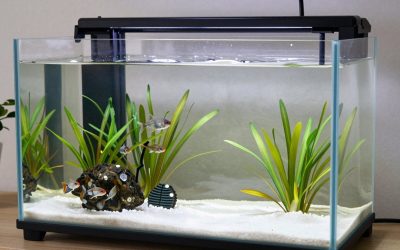
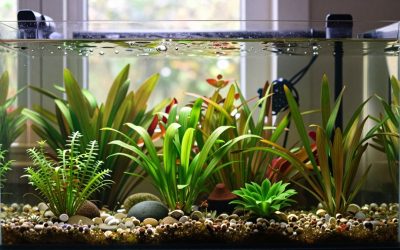
A single bristlenose pleco does best in at least a 20-gallon tank, with 29 gallons or more ideal to handle their notable waste output, since they are messy fish that benefit from strong filtration and regular water changes. They appreciate a layout with caves and shaded retreats where they can rest during the day. Our aquarium cave and hiding spot picks and a planted setup like the one in our live planted tank guide give them the cover they prefer.
The single most important piece of decor is driftwood. Bristlenose plecos rasp on wood, and consuming the fibers aids their digestion, so a piece of natural driftwood is essentially a dietary requirement, not just decoration. Pair it with a smooth substrate; our substrate guide covers good options. Note that driftwood and heavy bioloads can affect water, so monitor parameters; our guide to cloudy or unstable water helps troubleshoot.
| Parameter | Recommended Range |
|---|---|
| Temperature | 73-81°F (23-27°C) |
| pH | 6.5-7.5 |
| General Hardness (GH) | 6-15 dGH |
| Ammonia / Nitrite | 0 ppm |
| Nitrate | Below 30 ppm |
Keep the temperature stable with a reliable heater (see our heater buyer's guide), and if your water is very hard or soft, our GH and KH guide explains how to adjust it. Strong, well-maintained filtration is key given their bioload; our stocking and bioload guide helps you avoid overloading the tank.
Diet & Feeding
A common myth is that plecos live on algae alone. In reality, the bristlenose is an omnivore that needs a balanced diet to stay healthy. While they do graze algae and biofilm enthusiastically, a mature, clean tank rarely grows enough algae to sustain them, so supplemental feeding is essential.
Feed a base of sinking algae wafers and pellets plus regular fresh vegetables. Blanched zucchini, cucumber, spinach, and shelled peas are favorites; secure veggies near the bottom and remove uneaten portions after a day. Occasional protein, such as a sinking carnivore pellet or frozen food, rounds out their diet, but the bulk should be vegetable matter and wood-rasping. For a broader look at suitable foods, see our aquarium fish food types guide. Even with a hungry pleco, you should still manage algae directly; our algae control guide and algae identification guide explain prevention.
- Staples: sinking algae wafers and pellets
- Vegetables: blanched zucchini, cucumber, spinach, shelled peas
- Essential: a piece of driftwood to rasp for fiber and digestion
- Occasional: a little protein from sinking carnivore food
Tank Mates & Behavior
Bristlenose plecos are peaceful and spend most of their time minding their own business along the bottom and glass. They make excellent community tank residents and coexist with a wide range of calm fish. They can be mildly territorial toward other bottom-dwellers or their own kind in cramped tanks, so give each pleco its own cave and adequate space if you keep more than one.
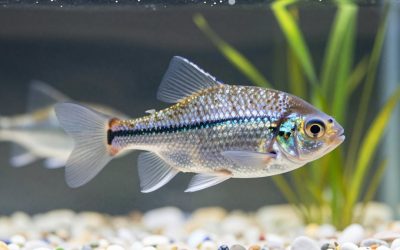
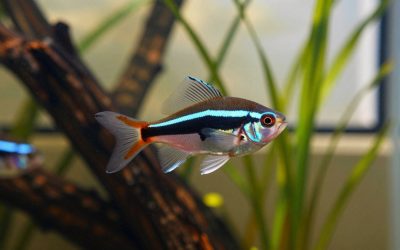
Good companions include tetras, rasboras, livebearers, and peaceful catfish. Our guides to the harlequin rasbora and hatchetfish highlight compatible upper-level schoolers, while peaceful invertebrates such as Amano shrimp and cherry shrimp usually share space well, though tiny shrimp fry may be at risk. Avoid pairing bristlenose plecos with large aggressive cichlids or fin-nippers. If you keep a betta, our betta tank mate guide discusses suitable bottom companions.
Common Health Issues
Bristlenose plecos are hardy, but a few issues come up, most tied to diet or water quality. The most common mistake is underfeeding: a sunken belly is a warning sign that the pleco is starving in a too-clean tank. Provide enough wafers and vegetables, especially as algae diminishes over time.
- Malnutrition: a hollow, sunken belly means more sinking food and veggies are needed.
- Ich (white spot): treatable but plecos are sensitive to some medications, so follow scaleless-safe dosing in our ich treatment guide.
- Poor water from bioload: their heavy waste demands strong filtration and regular water changes.
- Bloat from overfeeding protein: keep the diet vegetable-forward.
For a symptom-based reference covering these and more, keep our fish disease diagnostic guide bookmarked.
Frequently Asked Questions
How big do bristlenose plecos get?
They stay small for a pleco, reaching about 4 to 5 inches. This is a major advantage over the common pleco, which can exceed a foot and quickly outgrows home aquariums.
Do bristlenose plecos really need driftwood?
Yes. They rasp on wood and the fibers aid their digestion, so driftwood is considered a dietary necessity rather than just decoration. Include at least one natural piece in the tank.
Can a bristlenose pleco survive on algae alone?
No. They are omnivores, and most clean tanks do not grow enough algae to sustain them. Supplement with sinking algae wafers and blanched vegetables to keep them well fed.
Are bristlenose plecos good for beginners?
Very much so. They are hardy, peaceful, stay small, and are effective algae grazers, making them one of the best beginner-friendly catfish for community tanks, as long as you provide driftwood and proper food.
Can I keep more than one bristlenose pleco?
Yes, in a large enough tank with multiple caves. Males can be territorial toward each other, so provide space and separate hiding spots to reduce squabbles.
Best Floor Reinforcement For Large Aquariums: Top Compared

Aquarium Salt for Betta Fish: Uses, Risks & Best Picks 2026