Last Updated: October 21, 2026
- Betta Fish Tank Mates: Who Can Live with Your Betta?
- Betta Tank Mate Buying Guide
- What Makes a Good Betta Tank Mate
- Tank Size, Hiding Spots, and Introducing New Fish
- What Makes a Good Betta Tank Mate
- Tank Size, Hiding Spots, and Introducing New Fish
- Final Thoughts
- Frequently Asked Questions
- Related Articles
- Top Pick: Fish Mate F14 Aquarium Fish Feeder
- Best Value: API BETTA WATER CONDITIONER Betta Fish Freshwater Aquarium Water Conditioner 1.7-Ounce Bottle
- Premium Choice: SunGrow Betta Balls, Water Conditioner with Over 30 Beneficial Elements for Tropical Fish, Freshwater Fish Tank pH Balance Decor, 0.3” Betta Fish Tank Accessories, 10 Pcs per Pack
🛒 Best Price Today on Amazon
Prime members get fast, free shipping on everything above, plus member-only deals. New members get a 30-day free trial — cancel anytime.
Start 30-Day Prime Free Trial →See Today’s Amazon DealsBetta Fish Tank Mates: Who Can Live with Your Betta?
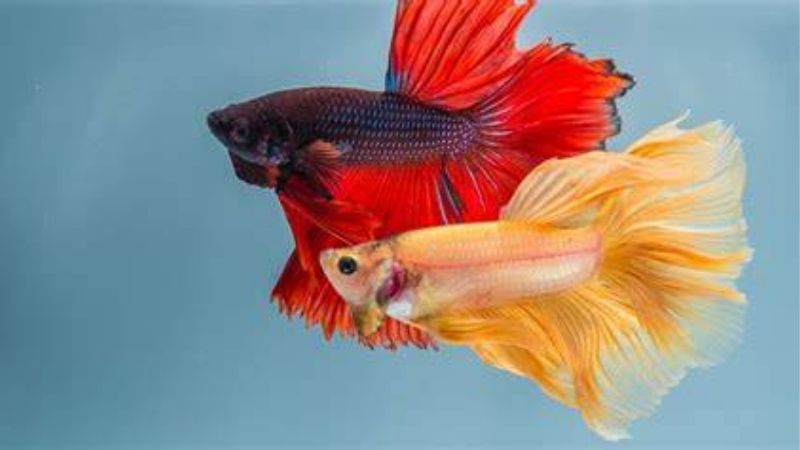
Betta fish have a reputation as solitary aggressors, but the truth is more nuanced. Male bettas cannot be housed together and will fight other brightly-colored or long-finned fish they perceive as rivals. However, many bettas coexist peacefully with the right tank mates in a properly sized aquarium. The keys are choosing non-aggressive, non-fin-nipping species, providing adequate space and hiding spots, and monitoring carefully during introduction. Here are the products that support a successful betta community tank.
As an Amazon Associate we earn from qualifying purchases at no extra cost to you.




1. Aqueon 20-Gallon Long Aquarium Starter Kit
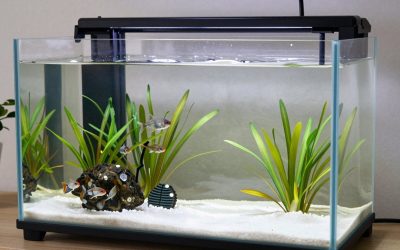
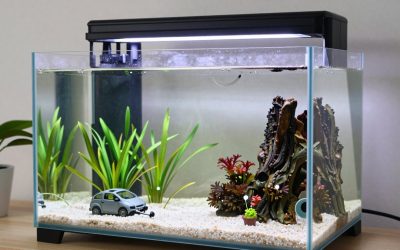
A 20-gallon long tank is the ideal size for a betta community setup. The elongated footprint provides more territory than a standard 20-gallon tall, reducing betta aggression toward tank mates. Aqueon’s starter kit includes a QuietFlow filter, heater, thermometer, and LED hood—everything needed to get started. The extra space allows you to add 6–8 small peaceful community fish (ember tetras, corydoras, or harlequin rasboras) alongside your betta while maintaining territory separation.
2. Marina Hang-On Breeding Box / Divider
When introducing new tank mates to a betta tank, a breeder box or tank divider allows fish to see each other without the risk of fighting. Keeping potential tank mates in the breeder box for 1–2 weeks lets the betta acclimate to their presence before full introduction. This dramatically reduces aggression upon release. The Marina Hang-On Breeder Box attaches to the inside of any tank and provides aeration via a small air tube, keeping inhabitants healthy during the acclimatization period.
3. Luffy Giant Marimo Moss Ball (Tank Enrichment)
Dense planting and enrichment objects reduce betta aggression toward tank mates by breaking lines of sight and providing refuges. Luffy’s Giant Marimo Moss Balls are natural algae spheres that serve as both decoration and a functional hiding spot. Marimo balls also absorb nitrates and provide grazing surfaces for shrimp and snails—both excellent betta tank mates—without requiring any care beyond occasional rolling to maintain their round shape. Pair with java fern, anubias, and floating plants for a densely decorated community tank.
Betta Tank Mate Buying Guide
- Best tank mates: Corydoras catfish, ember tetras, harlequin rasboras, kuhli loaches, nerite snails, and ghost shrimp.
- Avoid: Guppies (colorful fins trigger aggression), tiger barbs (fin nippers), cichlids, goldfish (different water requirements).
- Female bettas: Female bettas are generally more tolerant of community tanks but individual personalities vary; monitor carefully.
- Introduction method: Rearrange decor before adding tank mates to disrupt established betta territory.
- Observation period: Watch for 2–3 hours after introduction and again during feeding; remove tank mates immediately if serious aggression persists.
- Tank size minimum: 15–20 gallons for a betta community; smaller tanks concentrate aggression.
What Makes a Good Betta Tank Mate
Choosing companions for a betta starts with understanding why some pairings fail. Bettas, especially males, are territorial and react aggressively to fish they mistake for rivals, so the worst tank mates are brightly colored, long-finned species that resemble another betta. Equally problematic are notorious fin-nippers, since trailing betta fins are an irresistible target and a nipped betta quickly becomes stressed and prone to infection. The safest companions are peaceful, fast enough to stay out of the betta’s way, and modest in appearance rather than flashy. Small schooling fish and bottom-dwellers that occupy different parts of the tank than the surface-oriented betta tend to coexist best.
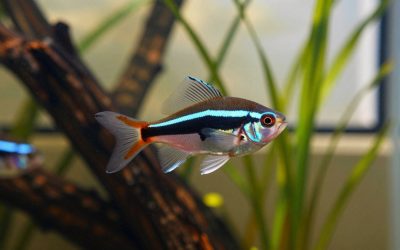
Commonly recommended tank mates include small, calm schooling fish such as ember tetras and harlequin rasboras, peaceful bottom-dwellers like corydoras catfish, and algae-grazing nerite snails. Schooling species should be kept in adequate groups of six or more so they feel secure and spread out, which also disperses any attention from the betta. Even with well-chosen companions, every betta has its own temperament; some tolerate a community happily while others never accept tankmates. Watching closely during the first days, and having a backup plan to separate fish if aggression flares, is part of responsibly setting up a betta community.
Tank Size, Hiding Spots, and Introducing New Fish
A successful betta community depends as much on the environment as on the species list. Space is the foundation: a betta kept alone can live in a smaller tank, but adding companions requires more room so each fish has territory and the bioload stays manageable. A longer footprint of at least twenty gallons is widely recommended for a community, because the extra swimming length lets the betta claim one area while tankmates use another, reducing the chance of confrontation. Generous filtration sized to the fuller stocking keeps water quality stable as the bioload rises.
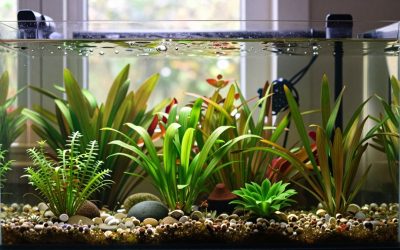
Breaking up sight lines is the next key. A tank densely planted with live or silk plants, driftwood, caves, and other decor gives smaller fish places to retreat and prevents the betta from patrolling an open arena. These hiding spots dramatically lower stress for everyone. When adding new fish, introduce them thoughtfully rather than dropping them straight in; many keepers rearrange the decor before adding tankmates so the betta cannot defend an established territory, or use a divider or breeding box so the fish see each other safely for a week or two before sharing the space. Going slowly, watching for nipped fins or chasing, and being ready to separate fish if needed gives a betta community the best chance of long-term harmony.
What Makes a Good Betta Tank Mate
Choosing companions for a betta starts with understanding why some pairings fail. Bettas, especially males, are territorial and react aggressively to fish they mistake for rivals, so the worst tank mates are brightly colored, long-finned species that resemble another betta. Equally problematic are notorious fin-nippers, since trailing betta fins are an irresistible target and a nipped betta quickly becomes stressed and prone to infection. The safest companions are peaceful, fast enough to stay out of the betta’s way, and modest in appearance rather than flashy. Small schooling fish and bottom-dwellers that occupy different parts of the tank than the surface-oriented betta tend to coexist best, since separating where fish swim reduces direct competition for space.
Commonly recommended tank mates include small, calm schooling fish such as ember tetras and harlequin rasboras, peaceful bottom-dwellers like corydoras catfish, and algae-grazing nerite snails. Some keepers also have success with otocinclus catfish and small shrimp in heavily planted tanks, though shrimp can become a snack for some bettas. Schooling species should be kept in adequate groups of six or more so they feel secure and spread out, which also disperses any attention from the betta. Even with well-chosen companions, every betta has its own temperament; some tolerate a community happily while others never accept tankmates at all. Watching closely during the first days, and having a backup plan such as a divider or separate tank ready to separate fish if aggression flares, is part of responsibly setting up a betta community.
Tank Size, Hiding Spots, and Introducing New Fish
A successful betta community depends as much on the environment as on the species list. Space is the foundation: a betta kept alone can live in a smaller tank, but adding companions requires more room so each fish has territory and the bioload stays manageable. A longer footprint of at least twenty gallons is widely recommended for a community, because the extra swimming length lets the betta claim one area while tankmates use another, reducing the chance of confrontation. Generous filtration sized to the fuller stocking keeps water quality stable as the bioload rises, and a gentle flow suits the betta’s long fins, which struggle in strong current.
Breaking up sight lines is the next key. A tank densely planted with live or silk plants, driftwood, caves, and other decor gives smaller fish places to retreat and prevents the betta from patrolling an open arena. These hiding spots dramatically lower stress for everyone, and they give fry or shy fish somewhere to escape if tempers rise. When adding new fish, introduce them thoughtfully rather than dropping them straight in; many keepers rearrange the decor before adding tankmates so the betta cannot defend an established territory, or use a divider or breeding box so the fish see each other safely for a week or two before sharing the space. Going slowly, watching for nipped fins or relentless chasing, and being ready to separate fish if needed gives a betta community the best chance of long-term harmony.
Final Thoughts
Betta fish can thrive in community tanks with the right planning and species selection. The key is providing adequate space, dense planting for line-of-sight breaks, and carefully choosing peaceful, non-fin-nipping companions. Always have a backup plan—a spare tank or breeder box—in case your specific betta proves incompatible with tank mates, as individual temperaments vary widely.
Frequently Asked Questions
What tank size do I need before adding betta tank mates?
Five gallons is the practical minimum for a betta alone, and community additions really need 10 gallons or more. Extra footprint gives the betta and its tank mates room to break line of sight, which prevents most aggression. In cramped tanks a betta will patrol the entire volume and treat every other fish as an intruder.
Which fish are the safest betta tank mates?
Bottom dwellers and calm schooling fish work best: corydoras catfish in groups of six, kuhli loaches, otocinclus, ember tetras, harlequin rasboras and neocaridina shrimp in a heavily planted tank. These occupy different zones, are not brightly finned and do not nip. Nerite and mystery snails are also reliably ignored by most bettas.
Which fish should never be kept with a betta?
Avoid fin nippers and lookalikes: tiger barbs, serpae tetras, most male guppies with long colorful tails, and any other gouramis or bettas. Also skip goldfish, which need cooler water and produce far more waste. Two male bettas will fight to serious injury in any tank size, so never house them together.
Can I keep a female betta sorority?
Sororities are frequently recommended online but are genuinely difficult. They need at least 20 gallons, five or more females so aggression spreads out, dense planting and constant monitoring. Established hierarchies still collapse without warning, so keep a spare heated tank ready. Most keepers have better long-term results with one betta in a community.
How do I introduce new tank mates safely?
Add the other fish first and let them settle, then reintroduce the betta so it does not view the tank as established territory. If the betta is already in residence, rearrange decor before adding anyone, which resets its territorial map. Watch for flaring, chasing and torn fins over the first 48 hours and be ready to separate.
Best Rimless Aquarium for a Living Room: Top Design Picks
Best Aquarium Rack for a Living Room: Smart Stylish Picks