Last Updated: October 4, 2026
- Top Pick: MICROBE-LIFT Algaway 5.4 Algae Remover for Aquariums, Algaecide for Freshwater and Saltwater Tanks, Aquarium Algae Control and Fish Tank Cleaner, Safe for Fish and Plants, 8 Ounces (ALGAA08)
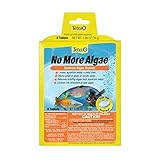
- Best Value: Tetra No More Algae Tablets for Aquariums, 8 Count
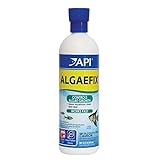
- Premium Choice: API ALGAEFIX Algae Control 16-Ounce Bottle
🛒 Best Price Today on Amazon
Prime members get fast, free shipping on everything above, plus member-only deals. New members get a 30-day free trial — cancel anytime.
Introduction
Algae is the most common frustration in aquarium keeping — nearly every hobbyist battles it at some point, from unsightly green water blooms to tenacious black beard algae coating every surface. While some algae is a sign of a healthy tank, uncontrolled algae growth indicates an imbalance in light, nutrients, or CO2 that must be addressed at its source rather than simply cleaned away. This guide covers the most effective algae control strategies and essential products.
As an Amazon Associate we earn from qualifying purchases at no extra cost to you.



What to Look For
- Root cause identification: Different algae types signal different imbalances — green spot algae often indicates low phosphate, black beard algae suggests CO2 fluctuation, and green water is typically caused by excess ammonia or intense, unmoderated lighting. Identifying the type guides the correct solution.
- Biological controls: Algae-eating fish and invertebrates (Siamese algae eaters, otocinclus, Amano shrimp, nerite snails) provide ongoing, natural algae management without chemicals. They work best as a preventive measure in conjunction with good tank husbandry rather than as a cure for established algae outbreaks.
- Light management: Most algae problems originate from too much light or inconsistent photoperiods. A programmable timer limiting light to 6–8 hours per day is one of the most effective and inexpensive algae prevention tools available.
Top Picks
Seachem Excel (Liquid Carbon)
Seachem Excel is a liquid carbon source that serves a dual purpose — it supplements CO2 for plant growth while acting as an algicide against many common problem algae including black beard algae and staghorn algae. Target dosing (applying Excel directly to algae-covered surfaces with a syringe during a water change with the filter off) is highly effective for spot-treating stubborn algae without harming fish or plants.
API AlgaeFix Freshwater Algae Control
API AlgaeFix is a widely used algaecide that controls green water (suspended algae), string algae, and blanketweed effectively in freshwater aquariums. It is safe for live plants and fish when used as directed, but should not be used in tanks with invertebrates or scaleless fish. For green water outbreaks and hair algae on hardscape, it provides rapid results within 24–72 hours of the first dose.
Hygger Aquarium 24-Hour Programmable Timer Outlet
Inconsistent lighting is a leading driver of algae outbreaks in home aquariums. The Hygger programmable timer lets you set precise on/off cycles for your aquarium lights with minute-level accuracy, ensuring your tank receives a consistent, species-appropriate photoperiod every day. Automating your light schedule removes one of the most common algae triggers and is among the most cost-effective tank improvements you can make.
Why Algae Grows and How to Prevent It
Algae is a natural part of every aquarium, but excessive growth signals an imbalance among the three factors algae needs to thrive: light, nutrients, and time. Too much light, whether from a long photoperiod or direct sunlight hitting the tank, is one of the most common triggers. Excess nutrients, especially nitrate and phosphate from overfeeding, overstocking, or infrequent water changes, provide the fuel. Addressing algae at its source by correcting these imbalances is far more effective than simply scrubbing it off, which leaves the underlying cause untouched and lets the algae return.
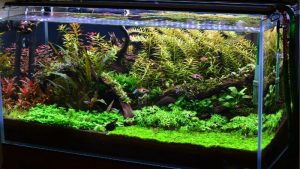
Several preventive practices keep algae in check. Limiting the photoperiod to roughly 6 to 8 hours a day and keeping the tank out of direct sunlight removes excess light. Feeding sparingly and performing regular partial water changes keeps nutrients low. Live plants are one of the best defenses, since fast-growing species outcompete algae for the same nutrients and light, which is why heavily planted tanks often stay cleaner than bare ones. A balanced, well-maintained tank naturally suppresses algae before it becomes a problem.
Identifying and Removing Common Algae Types
Different algae types have different causes and solutions, so identifying what you have helps you respond effectively. Green spot algae and a thin green film on glass are usually harmless and easily wiped away during routine cleaning. Green water, a pea-soup bloom, is caused by a sudden surge of light and nutrients and often responds to blackout periods or UV sterilization. Brown diatom algae is common in new tanks and typically fades on its own as the tank matures. Tougher types like black beard algae cling stubbornly and usually indicate fluctuating CO2 or excess nutrients combined with high light.
Removal combines manual cleaning with correcting the root cause. Scrape glass, wipe decorations, and trim heavily affected leaves, then export nutrients with a water change. Algae-eating animals can help manage many types; nerite snails, amano shrimp, otocinclus catfish, and certain plecos graze algae naturally, though they supplement rather than replace good husbandry. For persistent outbreaks, spot-treating affected areas and tightening up light and feeding usually restores balance. Patience matters, since rebalancing a tank takes time, but addressing the underlying cause gives a lasting solution rather than a temporary fix.
Related Guides
- Best RO/DI Systems for Aquariums
- Fish Food Garlic Immune Booster
- Rimless Aquarium Guide: Why Aquascapers Love Frameless Fish Tanks
- Aquarium Uv Sterilizer Inline Review
Frequently Asked Questions
What causes algae in an aquarium?
Algae thrives on excess light and nutrients, so long photoperiods, direct sunlight, overfeeding, and infrequent water changes are common causes. Correcting these imbalances is more effective than just scrubbing the algae away.
How do I get rid of algae naturally?
Limit lighting to 6 to 8 hours, feed sparingly, do regular water changes, and add fast-growing live plants that outcompete algae. Algae-eating animals like nerite snails and amano shrimp also help.
Why does my new tank have brown algae?
Brown diatom algae is very common in new tanks and usually fades on its own as the tank matures and stabilizes. Wiping it off during routine cleaning helps while the tank settles.
What animals eat aquarium algae?
Nerite snails, amano shrimp, otocinclus catfish, and some plecos graze on algae naturally. They help manage growth but work best alongside good husbandry, not as a replacement for it.
How do I stop green water?
Green water is an algae bloom fueled by excess light and nutrients, often responding to a multi-day blackout, reduced feeding, and water changes. A UV sterilizer is an effective tool for clearing stubborn blooms.
Final Thoughts
Long-term algae control is achieved through balance — appropriate lighting duration, controlled nutrient levels, healthy plant competition, and biological grazing animals working together. Address the root cause of your specific algae problem rather than relying solely on chemical treatments, and establish a consistent maintenance routine of weekly water changes and filter cleaning. A well-balanced, regularly maintained aquarium is naturally resistant to algae invasion.
Related Reviews & Guides


10 Best Aquarium Chillers: Keeping Your Tank Cool for Cold Water Fish

Best Aquarium Filter for Turtle Tank: Top Reliable Picks