Last Updated: October 9, 2026

TL;DR: Water and electricity are a lethal combination in fish rooms. A GFCI-equipped aquarium power strip cuts power within milliseconds of a ground fault, protecting both livestock and hobbyists. This guide covers how GFCI trips work, what load capacity you need per tank size, and which strips offer the best combination of outlet spacing, surge protection, and moisture resistance.
Best Aquarium Power Strip with GFCI Protection: Safe Wiring for Every Fish Room
Every aquarium hobbyist eventually runs out of wall outlets. Heaters, filters, lights, CO2 solenoids, protein skimmers, wave makers — a moderately complex reef or planted tank can demand 8–12 always-on devices. Daisy-chaining standard power strips near open water is not just inconvenient; it is genuinely dangerous. Ground Fault Circuit Interrupter (GFCI) technology is the single most important electrical safety feature for any wet hobby.
As an Amazon Associate we earn from qualifying purchases at no extra cost to you.
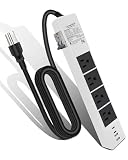


🛒 Best Price Today on Amazon
Prime members get fast, free shipping on everything above, plus member-only deals. New members get a 30-day free trial — cancel anytime.
Start 30-Day Prime Free Trial →See Today’s Amazon DealsTop Aquarium Power Strips


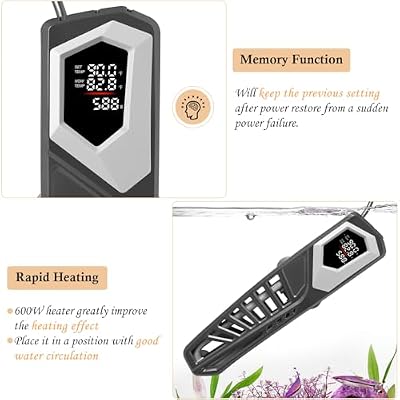


As an Amazon Associate we earn from qualifying purchases. Product prices and availability are accurate as of the date/time indicated.

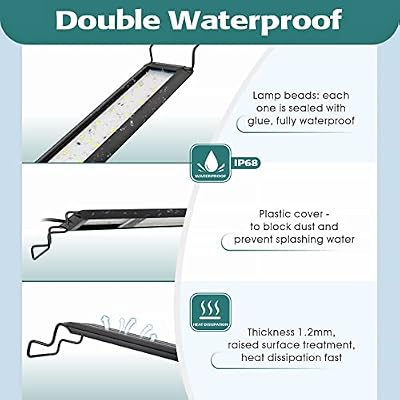


As an Amazon Associate we earn from qualifying purchases. Product prices and availability are accurate as of the date/time indicated.


As an Amazon Associate we earn from qualifying purchases. Product prices and availability are accurate as of the date/time indicated.
How GFCI Protection Works in Aquarium Applications
A GFCI monitors the difference in current between the hot and neutral conductors. Under normal operation those values are identical; the moment even 4–6 milliamps leak to ground — through a cracked heater element, a corroded pump seal, or a splash on an unprotected outlet — the GFCI trips in under 25 milliseconds. That is fast enough to prevent ventricular fibrillation in a human touching tank water.
Standard household circuits protected by a breaker panel only trip at 15–20 amps — by which point lethal tissue damage has long since occurred. This is why aquarium-specific power strips with built-in GFCI protection or dedicated GFCI outlet replacements are non-negotiable for any tank with heating elements.
Key Specifications to Evaluate
| Specification | Minimum | Recommended |
|---|---|---|
| GFCI Trip Threshold | 6 mA | 4 mA |
| Total Amperage | 12A | 15–20A |
| Outlet Count | 6 | 8–12 |
| Outlet Spacing | Standard | Wide-spaced / transformer-ready |
| Cord Length | 4 ft | 6–10 ft |
| Surge Protection | None | 1080–3000 joules |
| Moisture Rating | None listed | Splash-resistant housing |
| Indicator Light | Power only | GFCI status + surge status |
Load Planning for Multi-Tank Fish Rooms
A single 20-gallon planted tank with a 100W heater, canister filter, and LED light draws roughly 3–4 amps. A 75-gallon reef with a sump return pump, protein skimmer, two wave makers, heater, and T5 fixture can draw 8–12 amps continuously. Never load a 15-amp strip beyond 12 amps (80% rule) to avoid nuisance tripping and thermal stress on connectors.
For fish rooms with multiple tanks, run separate circuits rather than extending a single strip. A dedicated 20-amp circuit per 2–3 large tanks is standard practice. Pair this with proper drip loops on every power cord — where the cord dips below the outlet level before rising to plug in — to prevent water from wicking up into receptacles.
Surge Protection vs. Pure GFCI: Do You Need Both?
GFCI and surge protection address entirely different failure modes. GFCI stops ground faults and electrocution risk. Surge protection clamps voltage spikes from lightning, grid switching, or appliance cycling that can destroy pump controllers, LED drivers, and electronic timers. In areas with frequent thunderstorms or unstable grid power, a strip combining both is worth the premium. Look for joule ratings above 1000 and clamping voltage below 400V for genuine protection.
Some aquarium controllers — like the Neptune Apex or GHL ProfiLux — have their own surge suppression built in. In those cases a pure GFCI strip feeding the controller is sufficient. For unmanaged equipment hanging off a standard strip, combined protection is the safer call. See our aquarium powerhead and wave maker guide for wattage figures on common circulation equipment, and our UV sterilizer guide for sterilizer power draw calculations.
Installation Best Practices
Mount power strips horizontally at cabinet height, never on the floor where flood water can reach them. Use cable management clips to route cords with a drip loop before each plug. Test the GFCI monthly using the test/reset button — a strip that does not trip on test has a failed GFCI and must be replaced immediately. For permanent fish rooms, consider hard-wired GFCI outlets at each station rather than relying on strip-mounted protection that can wear with repeated cycling.
If you run a sump with an automatic water change system, the pump controls and solenoid valves require consistent, clean power. Review our auto water change system guide for compatible controller wiring diagrams. For temperature-critical tanks, our aquarium chiller guide covers dedicated circuit requirements for compressor-based chillers.
Frequently Asked Questions
Does every aquarium really need GFCI protection?
Yes. Any tank with a submersible heater, powerhead, or return pump poses electrocution risk. A cracked quartz heater sleeve, a failed seal on an older pump, or even mineral deposits bridging terminals can create a ground fault. GFCI protection is the only electrical safeguard fast enough to prevent injury. Most local electrical codes now require GFCI protection within 6 feet of water sources — this applies to fish rooms as much as kitchens and bathrooms.
Will a GFCI strip trip if I have a large skimmer or chiller on the same circuit?
Not from normal operation. GFCI trips only on current imbalance (ground faults), not on high load. However, some equipment with poorly filtered motors can produce minor leakage current at startup. If your GFCI trips intermittently with a specific device, that device likely has a developing insulation fault and should be replaced — the GFCI is doing its job correctly.
How many outlets do I need for a 75-gallon reef system?
A typical 75-gallon reef with sump needs at minimum: return pump, protein skimmer, 2 wave makers, heater, display lighting, refugium light, and ATO pump. That is 8 outlets before any dosing pumps, UV sterilizer, or controller. An 8-outlet strip is the practical minimum; a 12-outlet strip with transformer-spaced receptacles gives comfortable room to grow.
Can I use an aquarium power strip outdoors or in a garage fish room?
Only if the strip is rated for damp or wet locations (look for UL listing for wet locations or IP44/IP55 rating). Most indoor aquarium strips are splash-resistant at best. For garage or outdoor pond installations, use weatherproof GFCI outlets in sealed enclosures rather than extension strips. Temperature extremes also affect GFCI sensitivity, so indoor-rated equipment should stay indoors.
What is the difference between a GFCI outlet, a GFCI breaker, and a GFCI power strip?
A GFCI outlet replaces a standard wall receptacle and protects that outlet plus any standard outlets wired downstream. A GFCI breaker protects the entire circuit from the panel — ideal for fish rooms. A GFCI power strip provides portable protection anywhere you plug it in but depends on its own internal components rather than permanent wiring. For highest reliability in a permanent fish room, a GFCI breaker at the panel plus drip loops on all cords is the gold standard. Power strips with GFCI are excellent for flexibility and rented spaces.
For more on building a safe electrical setup around your filtration system, see our Fluval 207 canister filter review for power draw benchmarks and our biological media filter guide for understanding total system load.
Ready to decide? Our #1 pick for 2026 is the GFCI Trip Threshold.
Live price & availability on Amazon.
Related Reviews & Guides


Best Rainfall Spray Bar Aquarium Filter: Smart Easy Picks
Best pH and ORP Monitor for a Fish Room: Top Expert Guide