Last Updated: October 4, 2026
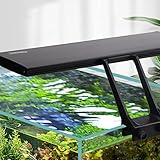
- Top Pick: DaToo Mini Clip On Aquarium Light 7W Dimmable Small Fish Tank Light USB Moving Lamp with White Red Blue Green LED for 1 to 3 Gallon Tanks
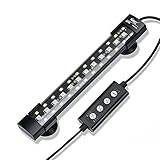
- Best Value: MQ 8 in Submersible LED Aquarium Light, 1.2W Color Changing Fish Tank Light with Remote Control, IP68 Crystal Glass 9 LEDs Lights Bar, for Fish Tank 10-15 inch
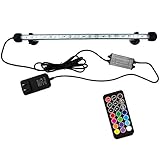
- Premium Choice: hygger Clip On 24/7 Lighting Aquarium LED Light,Sunrise-Daylight-Moonlight and DIY Mode, Adjustable Timer/Brightness Fish Tank Light with 7 Colors for Planted Tank (14W for 12~20in Tank)
🛒 Best Price Today on Amazon
Prime members get fast, free shipping on everything above, plus member-only deals. New members get a 30-day free trial — cancel anytime.
Why LED Lighting Is the Best Choice for Aquariums
LED aquarium lights have completely replaced fluorescent and incandescent options as the standard in the hobby, and for good reason. LEDs consume a fraction of the electricity of older bulbs, produce very little heat, last 30,000–50,000 hours, and can be engineered to produce precise light spectrums that benefit both fish coloration and plant photosynthesis. Modern aquarium LEDs range from simple clip-on models for nano fish-only tanks to sophisticated programmable units with sunrise/sunset modes, moonlight settings, and storm effects.
As an Amazon Associate we earn from qualifying purchases at no extra cost to you.




Choosing the right LED depends on your tank type and goals. Fish-only tanks need sufficient light for viewing but not much intensity. Planted tanks need adequate PAR (photosynthetically active radiation) at the substrate level to support plant growth. Reef tanks have the most demanding lighting requirements, needing intense, blue-heavy spectrums to support coral photosynthesis.
Fluval Aquasky LED Aquarium Light
The Fluval Aquasky is a feature-packed LED strip light with Bluetooth control via a smartphone app. You can program custom sunrise/sunset cycles, weather effects (clouds, storms, lightning), and moonlight modes — all from your phone. The full-spectrum output supports planted tank growth and makes fish colors pop. It sits on an adjustable bracket that spans standard aquarium widths. The Aquasky is an excellent all-around choice for planted community tanks where programmable control and good plant performance are priorities.
Current USA Satellite Plus PRO LED Light
The Current USA Satellite Plus PRO is a premium freshwater LED that has won multiple industry awards for its combination of features and performance. It includes a full-spectrum white/blue dual-mode channel, a wireless RF remote for brightness and color adjustment, and programmable 24-hour weather effects. The spread of light is excellent, covering wide tanks evenly. A top pick for planted tanks with demanding light-hungry plant species.
Nicrew ClassicLED Aquarium Light
For beginners or budget-conscious aquarists, the Nicrew ClassicLED is an outstanding value. It provides a clean white and blue spectrum that renders fish colors beautifully and supports low-light plants like java fern, anubias, and mosses. The adjustable mount clips fit most standard aquariums and the light runs cool and efficiently. While it lacks programmable features, it is a solid, reliable light for fish-only and low-tech planted tanks at a fraction of the cost of premium models.
What to Look For in an Aquarium LED Light
- Tank length compatibility: LED strips come in specific size ranges; measure your tank before purchasing.
- Light intensity (PAR): Low-light plants need ~20–50 PAR; medium-light plants need 50–100 PAR; high-light plants need 100+ PAR.
- Spectrum: Full-spectrum white plus blue provides the best balance for plant growth and fish color rendering.
- Programmability: Sunrise/sunset timers reduce algae by mimicking natural light cycles; a plug-in timer works as a budget alternative.
- Heat output: LEDs run much cooler than fluorescents; still ensure adequate ventilation above the tank.
- Light duration: 6–8 hours per day for planted tanks; 8–10 hours for fish-only tanks with no live plants.
Matching LED Lighting to Your Tank’s Needs
The right LED light depends heavily on whether you keep a fish-only tank, a low-light planted tank, or a high-light aquascape. A fish-only display needs only enough light to view your fish and bring out their colors, so a basic adjustable LED is plenty. Planted tanks are more demanding: low-light plants like anubias, java fern, and crypts thrive under modest output, while carpeting plants and red stems need higher intensity, often measured as PAR, the light energy plants actually use for photosynthesis.
Spectrum matters as much as brightness. Full-spectrum fixtures that include red and blue wavelengths promote healthy plant growth and make fish colors pop, and many quality LEDs offer adjustable channels or built-in color presets. Consider the fixture’s coverage and your tank’s depth, since light intensity drops off significantly in deeper tanks. A light that performs well over a 12-inch tank may be underpowered for an 18- to 24-inch-deep aquarium, so check the manufacturer’s recommended depth ratings before buying.
Photoperiod, Algae, and Smart Features
How long you run your lights is just as important as the fixture itself. Most planted tanks do well with roughly six to eight hours of light per day; running lights too long or too brightly is the single most common cause of nuisance algae. A timer or a fixture with built-in scheduling keeps the photoperiod consistent, which plants and fish both prefer over erratic on-off cycles. Programmable LEDs that simulate sunrise and sunset add a gentle transition that reduces stress on fish.
LED technology is well suited to aquariums because it runs cool, uses little electricity, and lasts for years without bulb replacement, unlike older fluorescent fixtures. Look for features that match your goals: dimming to fine-tune intensity, separate channels for adjusting spectrum, and app or controller support for custom schedules and effects. If algae appears, the first fix is usually to shorten the photoperiod or reduce intensity rather than buy a new light. Pairing the right intensity with a disciplined lighting schedule gives you vibrant fish, healthy plants, and far fewer algae headaches.
Frequently Asked Questions
How many hours should I run aquarium LED lights?
Most tanks do well with about six to eight hours of light per day, ideally on a timer for consistency. Running lights longer often fuels algae growth rather than helping plants.
Are LED lights good for planted aquariums?
Yes, modern LEDs are excellent for planted tanks because they offer full-spectrum output and adjustable intensity. Just match the fixture’s PAR rating to your plants, since carpeting and red stem plants need much more light than low-light species.
Will an LED light cause algae?
Light itself does not cause algae, but too much light, combined with excess nutrients, does. Keeping the photoperiod to six to eight hours and avoiding excessive intensity is the best way to prevent algae outbreaks.
Do LED aquarium lights get hot?
LEDs run far cooler than older fluorescent or metal halide fixtures, so they add very little heat to the water. This makes them ideal for keeping stable temperatures, especially in smaller tanks.
How do I choose the right brightness for my tank?
Match the light to your livestock: low-light plants and fish-only tanks need modest output, while high-light plants need stronger PAR. Also consider tank depth, since intensity drops off significantly in deeper aquariums.
Final Thoughts
LED lighting is the smartest investment for your aquarium — energy-efficient, long-lasting, and capable of beautiful spectrum control. The Fluval Aquasky and Current USA Satellite Plus PRO are premium picks with app and remote control for serious planted tank enthusiasts, while the Nicrew ClassicLED delivers excellent everyday performance at a budget price. Match your light to your tank's plant demands and your fish will be showcased under the most flattering, natural-looking illumination possible.
Related Reviews & Guides


Best Moonlight Setting Aquarium Light: Top Proven Guide
Best Rainfall Spray Bar Aquarium Filter: Smart Easy Picks