Last Updated: October 4, 2026

TL;DR: An aquarium decoration cave gives shy and territorial fish a dedicated refuge, reduces aggression, and adds natural-looking structure to any aquascape. This guide covers material types, sizing, placement, and top picks for planted, cichlid, and shrimp tanks.
Aquarium Decoration Cave: Choosing the Right Hide for Your Tank
Watch a bristlenose pleco back into a ceramic tube the moment the lights come on and you understand immediately why every well-designed aquarium needs at least one cave. Fish are not just swimming ornaments — they are animals with territorial instincts, spawning requirements, and stress responses that a bare tank interior cannot accommodate. An aquarium decoration cave satisfies all three needs at once: it provides refuge from perceived threats, a base for territorial fish to defend, and a spawning site for cave-spawning species like apistogrammas, kribensis, and many plecos.
As an Amazon Associate we earn from qualifying purchases at no extra cost to you.
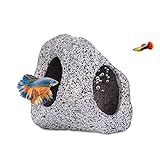
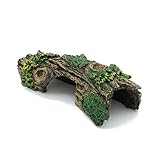


From a design perspective, a thoughtfully placed cave reads as natural hardscape rather than decoration. Smooth river stones with hollow centres, stacked slate overhangs, ceramic root structures, and resin wood caves all integrate convincingly with planted aquascapes when the material palette is chosen to complement your substrate and stone work. The goal is a hide the fish use constantly — not one that sits ignored because it is too small, too exposed, or visually incongruous with the rest of the layout.
🛒 Best Price Today on Amazon
Prime members get fast, free shipping on everything above, plus member-only deals. New members get a 30-day free trial — cancel anytime.
Start 30-Day Prime Free Trial →See Today’s Amazon DealsCave Materials: Ceramic, Resin, Stone, and Wood
Material choice determines both aesthetics and fish safety. Each option has trade-offs worth understanding before you buy.
Ceramic and unglazed clay are the gold standard for breeding caves. Porous surfaces allow beneficial bacteria to colonise the exterior, clay holds heat moderately well, and the neutral pH impact is minimal. Unglazed surfaces also have a slightly rough texture that apistogramma and kribensis females seem to prefer for egg adhesion. Avoid brightly glazed decorative ceramics — lead and cadmium-containing glazes can leach into water, particularly in soft acidic setups.
Resin caves offer the widest aesthetic range — detailed wood-grain textures, rock formations, skull and fantasy forms, and highly realistic hollow-log replicas. Quality aquarium-grade resin is inert, non-toxic, and easy to clean. Cheap resin from non-aquarium sources may use plasticisers that off-gas into the water column, so stick to reputable aquarium brands.
Natural stone — slate stacked to form overhangs, or smooth river rocks with natural hollow sections — integrates best in Nature Aquarium and biotope layouts. Stone is fully inert (with the exception of limestone and coral rock, which raise pH and hardness), long-lasting, and visually indistinguishable from the wild environment.
Top Aquarium Decoration Cave Picks


As an Amazon Associate we earn from qualifying purchases. Product prices and availability are accurate as of the date/time indicated.



As an Amazon Associate we earn from qualifying purchases. Product prices and availability are accurate as of the date/time indicated.


As an Amazon Associate we earn from qualifying purchases. Product prices and availability are accurate as of the date/time indicated.
Sizing a Cave to Your Fish
The single most common mistake aquarists make with caves is buying a size that looked right on screen but proves either too large or too small once fish are introduced. A cave should be just large enough for the target fish to enter, turn around, and exit — snug enough to feel secure, open enough not to trap them.
- Nano shrimp and small tetras (under 3 cm): cylindrical caves 2.5–3 cm diameter, 8–12 cm long.
- Dwarf cichlids (apistogramma, kribensis, 5–8 cm): ceramic tube or half-coconut 6–8 cm wide, 10–15 cm deep.
- Bristlenose / Ancistrus plecos (10–15 cm): cylindrical tube 5–6 cm diameter, 15–20 cm long.
- Medium cichlids (angelfish, severum, 15–20 cm): rock arch or hollow log 15–20 cm wide opening.
- Large cichlids (oscar, flowerhorn, 25+ cm): oversize resin cave or DIY slate stack with 20–25 cm clearance.
Spec Comparison Table
| Cave Type | Best For | pH Impact | Bacteria Colonisation | Breeding Use | Aquascape Style |
|---|---|---|---|---|---|
| Unglazed ceramic tube | Plecos, dwarf cichlids | Neutral | Excellent | Yes | Natural, biotope |
| Resin wood log | Community, shrimp | Neutral | Good | Limited | Nature, jungle |
| Stacked slate arch | Cichlids, catfish | Neutral | Good | Yes | Biotope, minimalist |
| Coconut half-shell | Dwarf cichlids, shrimp | Slight acid | Excellent | Yes | Blackwater, biotope |
| Resin rock cave | Any mid-size fish | Neutral | Moderate | Limited | All styles |
| Limestone grotto | African cichlids | Raises pH/KH | Good | Yes (mouthbrooders) | Rift lake |
Placement Strategy for Maximum Use
Fish are more likely to use a cave positioned against a back or side wall than one floating in open mid-tank space. The back-corner position satisfies two instincts at once: it limits the number of directions from which a threat could approach, and it gives territorial fish a defensible entrance they can guard from a single position. Place the opening facing the viewing glass so you can observe occupation and any breeding activity without disturbing the tank.
In a planted aquascape, integrate caves into the hardscape layer during the initial layout. Position stone or ceramic caves before adding substrate and plant them in — low-growing foreground plants like Eleocharis and Hemianthus callitrichoides growing around the cave entrance create a natural framing effect that makes the hide appear to emerge from the scape rather than sitting on top of it.
Multiple caves in a community tank reduce territorial conflict significantly. Provide at least one cave per fish that actively uses shelter, plus one or two extras — surplus hides reduce the cost of aggression because subordinate fish always have a fallback refuge. This is especially important in apistogramma harems and kribensis pairs during spawning cycles. For compatibility planning see our dwarf cichlid tank setup guide.
For planted tanks, coordinate cave placement with your CO2 and flow strategy. Caves positioned in low-flow dead zones accumulate detritus — position them where moderate circulation passes the entrance to carry waste toward the filter intake. Review our aquarium flow and circulation guide for layout principles.
If you are running driftwood hardscape alongside caves, a piece of aquarium driftwood positioned adjacent to the cave creates a combined shelter zone that fish strongly prefer over either element alone — the wood provides overhead cover while the cave provides enclosed refuge.
FAQ: Aquarium Decoration Cave
How many aquarium decoration caves do I need per fish?
As a baseline, provide one cave per cave-seeking fish plus at least one spare. In cichlid tanks, more is always better — the goal is to ensure every fish always has access to shelter so dominance hierarchies resolve through occupation rather than sustained aggression. In community tanks with a single pair of dwarf cichlids, two or three caves of different sizes distributed across the tank is usually sufficient.
Will an aquarium cave encourage unwanted breeding?
If you have cave-spawning species — apistogrammas, kribensis, bristlenose plecos, shell-dwelling cichlids — yes, caves will almost certainly trigger spawning attempts when conditions are right. If you do not want fry, remove eggs when found or keep the pair separated. If you do want to breed them, a cave is one of the most important pieces of equipment you can provide — many of these species simply will not spawn without a suitable site.
Is a resin aquarium cave safe for shrimp and snails?
Aquarium-grade resin is fully safe for invertebrates once cured. Before adding any resin decoration to an invert tank, soak it in a bucket of dechlorinated water for 24–48 hours and smell the soak water — a chemical or plastic odour indicates residual solvents and the piece should be soaked further. High-quality branded aquarium resin caves are pre-cured by the manufacturer and require only a rinse before use.
How do I clean a cave without disturbing territorial fish?
The least disruptive method is a slow siphon pass around the cave entrance during your regular water change — this removes most accumulated detritus without requiring removal of the decoration. For deeper cleaning, remove the cave during the water change, rinse it in old tank water (never tap water, which kills beneficial bacteria), scrub lightly with a soft brush, and return it to the same position so the resident fish recognises it immediately.
Can I use a terracotta pot as an aquarium cave?
Yes — unglazed terracotta flowerpots are a classic DIY cave option that works well for plecos and cichlids. Break off a section of the rim to create an entrance, smooth any sharp edges with sandpaper, and rinse thoroughly before use. Avoid pots with drainage holes already drilled, as sharp edges can injure fish. Do not use glazed terracotta or pots that have held fertiliser or soil — residue can leach harmful compounds into the tank.
Frequently Asked Questions
Why do fish need caves?
Hides reduce stress by giving fish an escape from tankmates and from movement outside the glass, which shows up as better colour and bolder behaviour. Plecos, loaches, catfish and most cichlids are natural cave dwellers, and many species simply will not spawn without a defensible enclosed space.
How many caves should I provide?
Provide at least one hide per territorial fish plus a spare, so a subordinate always has somewhere to retreat. Spread them across the tank rather than clustering them in one corner, and break lines of sight with rock or tall plants, which does more to stop bullying than the caves alone.
Are painted resin ornaments safe?
Ornaments sold specifically for aquarium use are made from non-toxic resin and aquarium-safe paint and are fine. Avoid craft or garden pieces, glazed pottery that may contain lead, and anything with metal parts or unsealed concrete, which leaches lime and pushes pH up. Scrub and soak new decor first.
Do caves affect water parameters?
Inert resin, slate, granite and terracotta do not. Limestone, coral rock and tufa dissolve slowly and raise pH and hardness, which is useful in a rift lake cichlid tank and unwanted in a soft-water setup. Drip vinegar on a stone to test it, since fizzing indicates carbonate content.
How do I clean a cave covered in algae and gunk?
Lift it out during a water change and scrub with a dedicated aquarium brush in old tank water. For stubborn build-up, soak in a one-to-ten bleach solution for fifteen minutes, rinse hard, treat with dechlorinator and air dry until there is no smell before returning it to the tank.
Ready to decide? Our #1 pick for 2026 is the Unglazed ceramic tube.
Live price & availability on Amazon.
Related Reviews & Guides

Best Quiet Aquarium Chiller for Bedroom Tanks: Smart Picks
Rimless Aquarium Guide: Why Aquascapers Love Frameless Fish Tanks