Last Updated: October 4, 2026
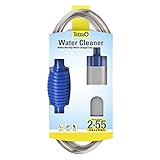
- Top Pick: Tetra Water Cleaner Gravel Siphon for Aquariums Up to 55 Gal
- Best Value: Luigi's Fish Tank Cleaner – Turtle Tank Accessories – Gravel Vacuum for Aquarium – Hand Siphon Hose to Remove and Change Water or Sand in Minutes – Aquarium Cleaning Tools
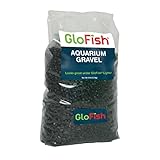
- Premium Choice: GloFish Aquarium Gravel, Fish Tank Gravel, Black With Fluorescent Accents, Compliments GloFish Tanks, 5 lb Bag
🛒 Best Price Today on Amazon
Prime members get fast, free shipping on everything above, plus member-only deals. New members get a 30-day free trial — cancel anytime.
Why Aquarium Gravel Is a Classic Substrate Choice
Aquarium gravel has been the most popular freshwater aquarium substrate for decades. It is available in a virtually unlimited range of colors, sizes, and textures — from natural river pebbles to brightly colored coated gravels. Beyond aesthetics, gravel provides an important biological function: its surface area hosts colonies of beneficial nitrifying bacteria that convert harmful ammonia and nitrite into less toxic nitrate, forming the foundation of your aquarium's biological filter.
As an Amazon Associate we earn from qualifying purchases at no extra cost to you.


Unlike sand, gravel allows water to circulate between particles, preventing the buildup of anaerobic pockets even at greater depths. Uneaten food and waste fall between the particles, where they decompose and feed bacteria — but this also means gravel requires regular vacuuming to prevent excessive organic buildup. Gravel is also easier to rinse and maintain than sand in high-flow tanks. For most community freshwater aquariums, natural pea-sized gravel is an excellent all-purpose substrate.
CaribSea Eco-Complete Planted Gravel
CaribSea Eco-Complete is the top choice for planted aquarium gravel. Made from basalt volcanic rock, it is packed with iron, calcium, magnesium, potassium, and trace minerals that feed plant roots directly from the substrate. Unlike plain gravel, Eco-Complete actively supports plant growth without needing root tabs or a nutrient cap layer. It comes pre-rinsed in conditioning water with live bacteria, helping to accelerate tank cycling. The dark, natural color is aesthetically stunning and makes plant and fish colors stand out dramatically.
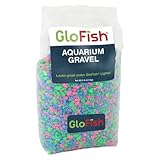
GloFish Aquarium Gravel
For brightly decorated tanks — especially those housing GloFish tetras, danios, or barbs — GloFish Aquarium Gravel provides a vivid, fluorescent substrate that glows brilliantly under blue LED lighting. Available in neon colors like electric green, cosmic blue, and starfire red, this coated gravel is pH neutral and safe for all fish. The smooth, rounded coating prevents fish from injuring themselves on sharp edges. A fun, bold choice for themed or decorative community tanks.
Spectrastone Premium Natural River Pebble Gravel
Spectrastone Premium River Pebbles are natural-looking, rounded gravel pieces in a warm tan-and-brown blend that mimics the appearance of a natural riverbed. They are pre-cleaned, pH neutral, and coated to be fish safe. The natural earth tone works beautifully in setups with driftwood, rocks, and green live plants, creating a cohesive nature aquarium aesthetic. Available in small (2–4mm) and medium (4–6mm) grain sizes. A timeless, versatile choice for any freshwater community aquarium.
What to Look For in Aquarium Gravel
- Grain size: Fine (1–3mm) for corydoras and planted tanks; medium (3–6mm) for general community tanks; coarse for cichlid tanks.
- pH neutrality: Most colored and coated gravels are pH neutral; avoid limestone-based gravels in soft-water setups.
- Smooth edges: Rounded gravel prevents injury to bottom-dwelling fish; avoid sharp crushed gravel.
- Rinse thoroughly: Even pre-washed gravel should be rinsed in a bucket until water runs clear before adding to the tank.
- Depth: 2–3 inches for planted tanks; 1.5–2 inches for fish-only setups.
- Vacuum regularly: Use a gravel vacuum during weekly water changes to remove debris that accumulates between particles.
Choosing the Right Gravel for Your Setup
Aquarium gravel is more than decoration; it forms the foundation of your tank and influences filtration, plant growth, and the well-being of bottom-dwelling fish. Standard inert gravel comes in many sizes and colors and is ideal for fish-only tanks, providing a large surface area where beneficial bacteria colonize. For planted tanks, a nutrient-rich planted substrate or fine gravel layered over a nutrient base supports root growth far better than plain gravel alone. Match grain size to your inhabitants: corydoras catfish and other fish that sift the bottom do best on smooth, fine gravel or sand that will not scratch their barbels.
As a rough guide, plan for about one to two pounds of gravel per gallon to achieve a substrate roughly one to two inches deep. A deeper bed is helpful for rooted plants, while a shallower bed is easier to keep clean in a fish-only tank. Always rinse new gravel thoroughly in plain water before adding it, since the dust that coats it can cloud your tank for days.
Keeping Your Gravel Clean
Over time, fish waste, uneaten food, and plant debris settle into the gaps between gravel grains, where they break down and release nitrate. A gravel vacuum, or siphon, is the essential tool for keeping this in check. During your weekly water change, push the siphon into the gravel to lift out trapped debris while you drain water, working across a different section each week.
- Vacuum during water changes: Combining gravel cleaning with your routine water change saves time and water.
- Go gentle around plants: Near rooted plants, hover the siphon just above the surface rather than digging in to avoid uprooting them.
- Do not overclean: Cleaning the whole bed at once can disturb beneficial bacteria, so rotate sections.
Layering Gravel for Planted Tanks
If you plan to grow rooted plants, how you layer the substrate makes a real difference. A common approach is to place a nutrient-rich base layer on the bottom and cap it with a layer of inert gravel or fine sand, which keeps the nutrients in the root zone while giving a clean, attractive surface. Aim for a slightly deeper bed in planted areas so roots have room to spread. Sloping the substrate so it is deeper at the back adds a sense of depth to the aquascape and helps debris settle toward the front where it is easy to vacuum. Thoughtful layering supports plant growth and looks great too.
Frequently Asked Questions
How much gravel do I need for my aquarium?
A common guideline is one to two pounds of gravel per gallon, which gives a bed roughly one to two inches deep. Planted tanks benefit from the deeper end of that range to anchor roots.
Do I need to rinse new aquarium gravel?
Yes, always rinse new gravel in plain water until it runs clear before adding it to the tank. Skipping this step leaves fine dust that can cloud your water for several days.
Is gravel or sand better for aquariums?
Both work well; the choice depends on your fish and plants. Gravel allows good water flow and suits most setups, while smooth sand is gentler for bottom-sifting fish like corydoras and creates a natural look.
How often should I vacuum aquarium gravel?
Vacuuming the gravel during your weekly water change is ideal. Clean a different portion of the substrate each week so you remove waste without disturbing too much of the beneficial bacteria at once.
Can plants grow in regular gravel?
Many hardy plants grow in plain gravel, especially with root tabs added for nutrients. For demanding, fast-growing plants, a dedicated nutrient-rich planted substrate produces noticeably better results.
Final Thoughts
Aquarium gravel is a proven, versatile, and widely available substrate that works beautifully in nearly every freshwater setup. CaribSea Eco-Complete is the top choice for planted tank growers who want substrate nutrition without compromise. GloFish Gravel creates a vibrant, glowing display for themed tanks. And Spectrastone River Pebbles offer a timeless natural look that complements any aquascape. Choose based on your tank's goals and inhabitants, and your aquarium will have a clean, functional, and attractive foundation from day one.
Related Reviews & Guides

Best pH and ORP Monitor for a Vacation Setup: Top Compared
Best Submersible Heater for 10 Gallon Tank: Top Picks 2026