Last Updated: October 4, 2026
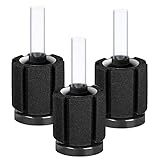
- Top Pick: AQUANEAT 6-Pack Pre-Filter Sponge for Aquarium Shrimp Fry Fish Tank Filter 0.8” Intake, Replacement Foam Cover
- Best Value: ALEGI Aquarium Sponge Filter Pad, Bio Filter Media Foam Sponges
- Premium Choice: Pawfly 4 Pack Aquarium Bio Sponge Filter Media Pad, Filter Foam Sponge Pads Cut-to-Size Foam for Fish Tank Filters Sumps Ponds Hydroponics, 6.3" x 5.5" x 0.78"
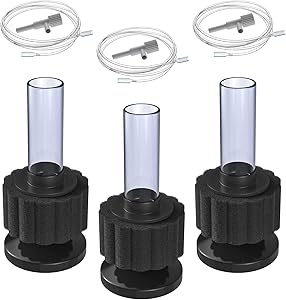
When it comes to filtration in small and nano aquariums, sponge filters are a solution that experienced fishkeepers return to again and again — and for good reason. Unlike power filters with strong intake currents, sponge filters provide gentle, adjustable water flow that won’t suck up baby fish, small shrimp, or delicate micro-species. They work by drawing water through a porous foam sponge, where colonies of beneficial bacteria establish themselves and break down harmful ammonia and nitrite through biological filtration. For tanks under 20 gallons, sponge filters often outperform more expensive alternatives in both reliability and biological efficiency.
Sponge filters are powered by an air pump (sold separately) and produce the gentle bubbling that many aquarists find both relaxing and aesthetically pleasing. Because the sponge itself becomes colonized with nitrifying bacteria, these filters build up biological filtration capacity over time — the longer the sponge runs, the more effective it becomes. They’re also remarkably easy to clean: simply squeeze the sponge in a bucket of old tank water during water changes to restore flow without killing the beneficial bacteria. For betta fish tanks, shrimp-only setups, breeding tanks, and nano biotopes, a quality sponge filter is often the smartest, most cost-effective choice available.
As an Amazon Associate we earn from qualifying purchases at no extra cost to you.



🛒 Best Price Today on Amazon
Prime members get fast, free shipping on everything above, plus member-only deals. New members get a 30-day free trial — cancel anytime.
Start 30-Day Prime Free Trial →See Today’s Amazon DealsQuick Picks: Best Aquarium Sponge Filters for Small and Nano Tanks
Why Trust Our Picks
Our aquarium team evaluated sponge filters across multiple nano and small tank setups ranging from 2.5 gallons to 20 gallons, testing with species including betta fish, neon tetras, cherry shrimp, and ember tetras. We assessed filtration efficiency using ammonia and nitrite test kits over a 6-week cycling period, measured noise levels at various air pump settings, checked sponge durability after repeated squeezing and cleaning, and evaluated ease of assembly from the box. We also reviewed hundreds of Amazon verified purchase reviews to cross-reference our findings with the experience of hobbyists across different tank configurations.
Best Aquarium Sponge Filters for Small Tanks: Reviews
1. Hikari Bacto-Surge Foam Filter
Hikari is a name synonymous with quality in the aquarium hobby, and the Bacto-Surge Foam Filter lives up to that pedigree with a design optimized for maximum biological filtration in the smallest possible footprint. The secret to this filter’s effectiveness lies in its proprietary open-cell foam structure, which features a pore density and surface area significantly greater than generic sponge filters available on the market. More surface area equals more real estate for nitrifying bacteria colonies, which translates to more efficient ammonia and nitrite processing — the key variables in keeping nano tank water safe for fish and invertebrates. The filter is rated for tanks up to 60 gallons, which means when used in a 5- or 10-gallon nano tank it is genuinely over-built for the bioload — a wonderful problem to have, as it means your water stays cleaner even between maintenance sessions. The tower design keeps a relatively small footprint while maximizing water-to-foam contact time, and the weighted base prevents tipping even when air flow is turned up. Noise is minimal when paired with a quality air pump, and the filter requires no replacement cartridges — just periodic sponge rinsing in old tank water. The Bacto-Surge is the premium choice for serious nano tank keepers who want the best biological filtration their money can buy.
- Pros: Proprietary high-density foam for superior bacteria colonization, over-rated for small tanks (excellent buffer), extremely durable sponge material, no replacement cartridges needed, quiet operation
- Cons: Pricier than generic sponge filters, may feel oversized in tanks under 5 gallons, requires separate air pump purchase
2. Aquaneat Aquarium Bio Sponge Filter
The Aquaneat Bio Sponge Filter strikes an excellent balance between performance and affordability, making it one of the most popular sponge filters for nano tanks on Amazon. What sets this filter apart from the cheapest options on the market is its dual-layer sponge construction: an outer coarser sponge layer handles mechanical filtration (trapping larger particles and debris), while a denser inner layer provides the pore structure needed for robust biological filtration. This two-stage approach means the filter captures waste more effectively before it can break down into harmful compounds, reducing ammonia spikes between water changes. The filter comes pre-assembled with an airline tube attachment that accommodates standard tubing sizes, making setup genuinely plug-and-play once you have an air pump. The base is wide and stable, a detail that matters more than it might seem — in tanks with active fish or strong surface agitation from the air stone, a narrow-based sponge filter can tip over and disrupt the tank. Cleaning is straightforward: remove the filter, squeeze the sponge in old tank water, and reinstall. Available in multiple sizes ranging from 10-gallon to 50-gallon ratings, the Aquaneat is a versatile pick that works well across the full range of small tank setups.
- Pros: Dual-layer sponge for mechanical and biological filtration, wide stable base, easy tool-free assembly, multiple size options, good value for the build quality
- Cons: Sponge material not quite as dense as the Hikari, airstone can detach from lift tube in high-flow scenarios, no foam is included in “small” tank kits that might cater to sub-5-gallon tanks
3. Huijukon Double Sponge Filter
The Huijukon Double Sponge Filter solves one of the most persistent problems in sponge filter maintenance: the disruption of your biological cycle when you clean the sponge. Because this filter uses two separate sponge elements fed by a central lift tube and air stone assembly, you can clean one sponge at a time while leaving the other in place — the bacteria colony on the untouched sponge keeps the nitrogen cycle running smoothly throughout the maintenance process. This is a genuinely clever design that even more expensive filters sometimes neglect, and it makes a real difference for tanks with fish sensitive to water quality fluctuations. The filter is available in several sizes suited for tanks from 10 to 55 gallons, and at its price point it’s especially attractive for hobbyists running multiple small tanks who need several filters without breaking the budget. The sponge material is adequate for the price, though it does feel slightly less dense than the Hikari or Aquaneat options. The airline attachment is standard-sized and connects easily to any aquarium air pump. For breeders who run multiple breeding tanks or shrimp keepers with several species tanks, the Huijukon Double Sponge Filter offers outstanding value and practical utility that outperforms its humble price tag.
- Pros: Dual sponge allows maintenance without cycling disruption, great value for multi-tank setups, standard airline tubing compatibility, multiple available sizes
- Cons: Sponge density lower than premium options, plastic components feel lightweight, assembly can be slightly fiddly on first setup
Buyer’s Guide: How to Choose a Sponge Filter for a Nano Tank
Match the filter rating to your tank size — then go bigger. A filter rated for exactly your tank size will be working at maximum capacity, leaving little margin for error during feeding or waste accumulation spikes. Always choose a sponge filter rated for at least 1.5 to 2 times your actual tank volume. A filter rated for 30 gallons in a 10-gallon tank will cycle the water more frequently and maintain a larger bacteria colony, making your tank more resilient.
Prioritize biological filtration capacity. In nano tanks, biological filtration is far more important than mechanical. Small tanks accumulate harmful ammonia rapidly, and the bacteria living in your sponge filter are your primary defense. Dense, high-surface-area foam supports larger bacteria populations. When comparing sponge filters, feel the foam if possible — firmer, more textured foam generally offers more colonization surface than soft, loose-pored alternatives.
Consider the species in your tank. For shrimp tanks, betta tanks, or breeding tanks with fry, extremely gentle flow is critical. Most sponge filters can be dialed down by adjusting the air pump’s output or by adding a gang valve to the airline tubing. If your tank will house very small fry (under 1cm), a finer-pored sponge reduces the risk of fry being drawn into the intake current.
Don’t overlook the air pump. Sponge filters do nothing without an air pump, and the quality of the pump affects noise level and flow consistency. A cheap, buzzy air pump will annoy you every night. Budget for a quality air pump from brands like Tetra, Fluval, or Hygger — the difference in noise and reliability is significant and worth a few extra dollars.
FAQ
Do sponge filters really work for nano tanks? Absolutely — in many ways, sponge filters are the ideal filtration method for small tanks. They provide excellent biological filtration, create no dangerous intake suction that harms small fish or invertebrates, are easy to maintain, and never require filter cartridge replacements. The only limitation is that they don’t provide chemical filtration (like activated carbon), but this is rarely needed in a well-maintained tank.
How often should I clean a sponge filter? Clean the sponge when you notice reduced bubble output or visible clogging — typically every two to four weeks depending on your tank’s bioload. Never clean the sponge with tap water, as chlorine will kill the beneficial bacteria colony. Always rinse in a bucket of old aquarium water removed during a water change.
Can I run a sponge filter without an air pump? Standard sponge filters require an air pump to function. However, powerhead-driven sponge filters exist that attach to a small submersible pump instead of an airline. These are useful in situations where bubbling noise is undesirable, though they’re generally more expensive than air-driven options.
How long does it take for a sponge filter to cycle? A new, uncycled sponge filter takes approximately four to six weeks to fully cycle in a new tank. You can significantly accelerate this by adding a beneficial bacteria starter product (like Seachem Stability or Fritz Turbo Start) or by squeezing an established sponge from a cycled tank into the new tank water to seed the new sponge with existing bacteria.
Final Verdict
For nano tank keepers who want the best biological filtration available in a sponge filter format, the Hikari Bacto-Surge Foam Filter is the clear winner — its superior foam density and over-built capacity make it the most reliable long-term choice. The Aquaneat Aquarium Bio Sponge Filter is our runner-up for hobbyists who want solid dual-layer filtration at a more accessible price point. And for breeders or multi-tank keepers who need practical, budget-conscious filtration without compromising the nitrogen cycle during maintenance, the Huijukon Double Sponge Filter delivers a smart twin-sponge design that punches well above its weight class.
Frequently Asked Questions
Why choose a sponge filter over a hang-on-back?
Sponge filters produce almost no current, which suits bettas, shrimp and fry that get pushed around by stronger filters. There is no impeller or intake slot to trap baby shrimp or fry, and the sponge itself is a large biological surface. They are also cheap, silent apart from the air pump, and trivially easy to service.
How often should I clean a sponge filter?
Every two to four weeks, or when flow visibly slows. Squeeze the sponge out in a bucket of old tank water until the water runs mostly clear, then put it straight back. Never rinse it under tap water, since chlorine kills the nitrifying bacteria that make the sponge work as a biofilter.
What size sponge filter do I need?
Sponge filters are rated by tank gallons, and going one size up is nearly always beneficial because more sponge means more bacterial surface without any increase in current. A filter rated for 20 gallons on a 10 gallon shrimp tank is a common and effective choice, especially in a breeding or grow-out setup.
Do sponge filters remove ammonia and nitrate?
They convert ammonia to nitrite and nitrite to nitrate through the bacteria colonizing the foam, and they trap particulate waste mechanically. They do not remove nitrate, which requires water changes or plants. They also provide no chemical filtration, so if you need carbon or phosphate removal you will need a separate media bag.
Can I use a sponge filter in a saltwater or quarantine tank?
Yes to both. Sponge filters are the standard choice for quarantine and hospital tanks because they can be seeded in an established display, moved instantly, and hold no chemical media that would absorb medication. They work equally well in saltwater, though salt creep on the air line means checking the check valve regularly.
Related Reviews & Guides
How to Choose a Pond Pump: Trusted Expert Step-by-Step Guide
Sponge Filter vs Hang on Back Filter: Compared by Numbers