Last Updated: October 4, 2026
🛒 Best Price Today on Amazon
Prime members get fast, free shipping on everything above, plus member-only deals. New members get a 30-day free trial — cancel anytime.
Introduction
Keeping aquarium glass clean and free of algae film is one of the most routine but important maintenance tasks in the hobby — cloudy, algae-coated glass diminishes the visual impact of even the most beautiful aquascape and can be a sign of light or nutrient imbalances in the tank. The right glass cleaning tools make this task quick and effortless, whether you prefer magnetic algae scrapers that clean without getting your hands wet, long-handled scraper blades for stubborn deposits, or gentle pads for light maintenance between full cleanings.
As an Amazon Associate we earn from qualifying purchases at no extra cost to you.



What to Look For
- Glass vs. Acrylic Compatibility: Never use metal razor blades or abrasive pads on acrylic aquariums — they permanently scratch the soft acrylic surface; use only acrylic-safe foam pads or soft plastic scrapers, while glass aquariums can safely use metal blades for hard algae deposits.
- Magnetic Cleaner Strength: Match the magnetic strength to your glass thickness — a cleaner designed for 10mm glass will slide off thick acrylic or plexiglass, while an over-powered magnet for thin glass can crack rimless panels if pressed too forcefully; check the manufacturer's glass thickness rating carefully.
- Reach and Ergonomics: For tanks deeper than 18 inches, a long-handled scraper is essential for reaching the bottom glass without submerging your arm entirely — telescoping handle models adjust for different tank depths and are particularly valuable for 55-gallon and larger setups.
Top Picks
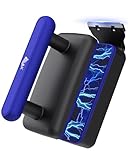
Flipper Standard Magnetic Aquarium Cleaner
The Flipper is a premium dual-sided magnetic algae cleaner that features a soft felt pad on one side and a harder scraper pad on the other, switchable by flipping the outer magnet — giving you both gentle daily maintenance and more aggressive scrubbing power in a single tool without removing either piece from the tank. Its magnetic coupling strength is well-calibrated for standard glass thicknesses, and the felt side is safe for use on acrylic aquariums as well.
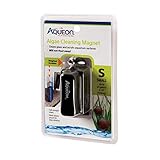
Aqueon Algae Cleaning Magnet
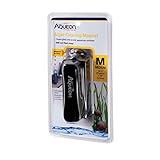
Aqueon's algae cleaning magnets are a reliable, affordable entry point into magnetic glass cleaning, available in small, medium, and large sizes matched to different glass thicknesses. The non-scratch cleaning pad is safe for both glass and acrylic, and the float feature on the outer magnet ensures that if they separate during cleaning, the outer piece rises to the surface rather than sinking and scratching the substrate. An excellent value option for standard glass aquariums.
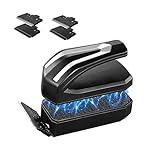
Hygger Long Handle Aquarium Glass Cleaner Scraper
Hygger's telescoping handle scraper accommodates both replacement razor blades for hard coralline or mineral deposits and soft cleaning pads for light algae film, covering the full range of glass cleaning scenarios in one adjustable tool. The extendable handle reaches the bottom of tanks up to 24 inches deep comfortably, and the blade guard prevents accidental scratching when the blade is not in active use. This is an essential tool for anyone maintaining a larger aquarium.
Keeping Aquarium Glass Clear of Algae
Algae naturally grows on aquarium glass, gradually clouding your view, and regular cleaning is part of routine maintenance. Magnetic algae cleaners make this easy: one magnet sits inside the tank and a second outside, so you scrub the inner glass simply by moving the outer magnet, never getting your hands wet. They are convenient for quick, frequent touch-ups, while handheld scrapers and scraper-bladed cleaners handle tougher, hardened algae and the spots magnets cannot reach. Cleaning the glass weekly prevents algae from establishing a stubborn film.
It is worth remembering that scraping glass treats the symptom, not the cause. Persistent algae on the glass usually points to too much light or excess nutrients, so shortening the lighting period and keeping up with water changes reduces how often you need to scrub. A small amount of algae is normal and even healthy, but a rapidly recurring film signals that the tank’s balance needs attention. Combining mechanical cleaning with good husbandry keeps the glass clear with far less effort.
Using Cleaners Safely on Different Tanks
Choosing the right tool depends on your tank material and the type of algae. Acrylic tanks scratch easily, so they require cleaners with non-abrasive pads designed specifically for acrylic; a blade or coarse pad meant for glass will leave permanent marks. Glass tanks tolerate blade scrapers for tough algae, but you must take care near the silicone seams, where a blade can nick the sealant. Always check that a magnetic cleaner is rated for your glass thickness, since an underpowered magnet will not hold and an oversized one can be hard to maneuver.
A common hazard with magnetic cleaners is trapping a grain of sand or gravel between the magnet and the glass, which drags and scratches as you move it. To avoid this, keep the cleaner away from the substrate and lift it clear if it picks up debris, rather than dragging it along the bottom. Some magnetic cleaners float when separated, making them easy to retrieve. Rinse and dry your cleaning tools after use to prevent algae and mineral buildup, and never use tools that have touched soap or household cleaners. With the right cleaner and a little care, keeping your glass spotless becomes a quick, simple task.
Related Guides
- Best Aquarium Driftwood for Natural Tank Decor
- Rimless Aquarium Guide: Why Aquascapers Love Frameless Fish Tanks
- Aquarium Filter Floss and Polish Pad
Frequently Asked Questions
How often should I clean my aquarium glass?
Cleaning the glass weekly, often during water changes, prevents algae from forming a stubborn film. Frequent light touch-ups with a magnetic cleaner are easier than tackling hardened algae later.
Are magnetic algae cleaners safe for my tank?
Magnetic cleaners are safe and convenient when matched to your glass thickness, but a trapped grain of sand can scratch the glass. Keep the cleaner away from the substrate to avoid dragging debris across the surface.
Can I use a glass scraper on an acrylic tank?
No. Acrylic scratches easily and requires cleaners with non-abrasive pads made specifically for acrylic. A blade or coarse glass scraper will leave permanent marks on acrylic.
Why does algae keep coming back on my glass?
Recurring algae usually means too much light or excess nutrients in the water. Shortening the lighting period and keeping up with water changes reduces algae growth, so you scrub far less often.
How do I clean near the silicone seams?
Use care near the seams, since a blade scraper can nick the silicone sealant and cause leaks. A soft pad or gentle scrubbing along the corners cleans them safely without risking the seal.
Final Thoughts
Investing in quality aquarium glass cleaning tools makes one of the most repetitive maintenance tasks genuinely quick and painless, ensuring that your aquarium always presents its best face. A magnetic cleaner for daily maintenance and a long-handled scraper for periodic deep cleaning form an effective two-tool glass care system that will serve you well for years of aquarium keeping.
Related Reviews & Guides


Best Fake Motion Aquarium Lamp: A Calming Decor Buyer Guide

10 Best Goldfish Foods: Top Picks for Healthy Goldfish 2026