Last Updated: October 4, 2026
- Top Pick: Ultra Fresh Betta Fish Food, Betta Pro Shrimp Patties, 50% Sword Prawns + Akiami Paste Shrimps, All Natural Protein, Rich in Vitamins, Healthy Development and Cleaner Water 0.7 oz
- Best Value: Fluval Bug Bites Betta Fish Food, 1.05 Oz.
- Premium Choice: TetraBetta PLUS Floating Mini Pellets, Fish Food With Natural Color Enhancer, 1.2 ounces
🛒 Best Price Today on Amazon
Prime members get fast, free shipping on everything above, plus member-only deals. New members get a 30-day free trial — cancel anytime.
Why the Right Betta Fish Food Matters
Betta fish are obligate carnivores, meaning they thrive on a diet rich in animal protein. In the wild, bettas eat insects, insect larvae, and small crustaceans. Many generic tropical fish flakes simply don't meet their nutritional needs and can lead to bloating, color fading, and a shortened lifespan. Feeding your betta a high-quality, protein-rich diet is one of the most impactful things you can do for their long-term health.
As an Amazon Associate we earn from qualifying purchases at no extra cost to you.
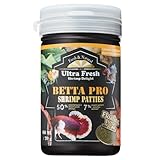


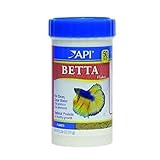

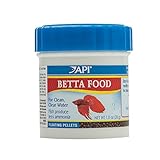
The best betta foods are specifically formulated to mimic their natural diet. Look for products that list a whole protein source — such as fish meal, shrimp meal, or krill — as the first ingredient. Avoid foods loaded with fillers like wheat and corn. A varied diet that includes both pellets and freeze-dried or frozen treats like bloodworms or daphnia is ideal.
Omega One Betta Buffet Pellets
Omega One Betta Buffet Pellets are widely regarded as one of the best staple betta foods available. The first ingredient is whole salmon, providing excellent protein and natural omega-3 fatty acids that enhance color vibrancy. These pellets are appropriately sized for a betta's small mouth and sink slowly, encouraging natural feeding behavior. They also contain relatively low starch, reducing the risk of bloat. Feed 2–4 pellets once or twice daily.
Fluval Bug Bites Betta Formula
Fluval Bug Bites Betta Formula is made with black soldier fly larvae as the primary ingredient, making it an excellent protein-dense staple. Black soldier fly larvae are highly digestible and closely replicate a betta's natural insect-based diet. These micro granules are easy for bettas to eat and won't cloud your water. Many betta keepers report improved energy levels and color intensity after switching to Bug Bites.
Hikari Betta Bio-Gold Baby Pellets
Hikari is a trusted name in the aquarium hobby, and their Betta Bio-Gold pellets live up to the reputation. These tiny floating pellets are perfectly sized to prevent overfeeding and contain a blend of protein sources plus vitamins. Hikari uses a special process to reduce waste and water-clouding. The floating formula is great for observing feeding behavior and ensuring your betta eats what you offer.
What to Look For in Betta Fish Food
- High protein content: Aim for 40%+ crude protein from whole animal sources.
- First ingredient matters: Fish meal, shrimp, krill, or insect larvae should be listed first.
- Minimal fillers: Avoid foods heavy in wheat, corn, or soy as primary ingredients.
- Appropriate pellet size: Betta mouths are small; oversized food causes choking and waste.
- Variety is key: Supplement pellets with freeze-dried bloodworms or daphnia a few times a week.
- Avoid overfeeding: Feed only what your betta can consume in 2 minutes; fast one day per week.
Building a Balanced Betta Feeding Routine
Bettas are carnivores with small stomachs, so quality and portion control matter far more than quantity. In the wild they eat insects and larvae, which is why high-protein pellets, freeze-dried bloodworms, brine shrimp, and daphnia suit them so well. A good staple pellet should list whole fish or shrimp meal as the first ingredient rather than grain fillers, since bettas digest animal protein much more efficiently than plant matter.
Feed your betta once or twice a day, offering only what it can finish in about two minutes. A practical guideline is two to four small pellets per feeding, adjusted to your fish’s size. Overfeeding is one of the most common betta-keeping mistakes and quickly leads to bloating, constipation, and fouled water. Many keepers include one fasting day each week to support digestion. Uneaten food should be removed promptly, because decaying pellets spike ammonia in the small tanks bettas often live in. Soaking freeze-dried foods for a moment before feeding helps prevent the swallowed-air bloat that dried foods can sometimes cause.
Reading the Label and Storing Food Properly
When comparing betta foods, look for a crude protein level around 40 percent or higher and a short, recognizable ingredient list. Named protein sources such as salmon, krill, or black soldier fly larvae are preferable to vague terms like “fish meal” or large amounts of wheat and corn. Color-enhancing ingredients such as astaxanthin and spirulina can help intensify a betta’s natural reds and blues without artificial dyes.
Pellet size also matters: bettas have upturned mouths and small throats, so micro-pellets and floating formulas are easier for them to grab at the surface. Variety keeps fish interested and nutrition well-rounded, so rotating a staple pellet with occasional frozen or freeze-dried treats is ideal. Store all dry food in a cool, dry, sealed container away from sunlight, and replace it within a few months of opening, since vitamins degrade over time and stale food loses much of its nutritional value.
Frequently Asked Questions
How often should I feed my betta fish?
Feed your betta once or twice a day, giving only what it can eat in about two minutes. Many keepers add one weekly fasting day to aid digestion and reduce the risk of bloating.
How many pellets should I feed a betta?
Two to four small pellets per feeding is a safe starting point for most bettas. Their stomach is roughly the size of their eye, so small, frequent portions are far healthier than large meals.
Can bettas eat tropical flake food?
Bettas can nibble flakes, but flakes are usually formulated for omnivorous community fish and are lower in the animal protein bettas need. A betta-specific pellet or high-protein carnivore formula is a better staple.
Why is my betta not eating its food?
Loss of appetite can come from stress, cold water, or simply disliking a new food. Check that the temperature is in the 78-80F range, give the fish time to adjust, and try tempting it with a small frozen or freeze-dried treat.
Is freeze-dried or frozen food better for bettas?
Both are excellent supplements to a pellet staple. Frozen foods retain slightly more moisture and nutrients, while freeze-dried foods are convenient and shelf-stable; soaking freeze-dried portions briefly before feeding helps prevent bloating.
Final Thoughts
Choosing the right betta fish food is a simple but powerful way to improve your fish's health, lifespan, and color. Stick with a quality pellet as the staple and rotate in live or freeze-dried protein treats for variety. Omega One, Fluval Bug Bites, and Hikari Bio-Gold are all excellent choices — pick the one that suits your budget and your betta's preferences. A well-fed betta is an active, colorful, and happy fish.
Related Reviews & Guides

Best Aquarium Light for 36 Inch Tank: Smart Picks for 2026
Best Aquarium Chiller Maintenance and Cleaning Kit: Top Kit