Last Updated: October 9, 2026

TL;DR: An aquarium auto top off (ATO) system replaces evaporated freshwater automatically, keeping salinity and water level stable without daily manual dosing. This guide explains how ATOs work, what features matter, and how to install one safely on any reef or freshwater tank.
Aquarium Auto Top Off (ATO) System: Keep Salinity Locked Without Daily Babysitting
Evaporation is relentless. A 75-gallon reef tank can lose 1–3 gallons per day depending on skimmer neck exposure, sump size, and room humidity. Each gallon lost concentrates salt, nudges specific gravity upward, and stresses corals and invertebrates sensitive to osmotic shifts. Manual top-off works until life gets busy — then you return home to a sump running dangerously low and salinity spiked well past 1.026. An aquarium auto top off system eliminates that variable entirely, adding RODI water on demand whenever the level drops.
As an Amazon Associate we earn from qualifying purchases at no extra cost to you.

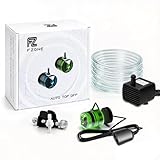


🛒 Best Price Today on Amazon
Prime members get fast, free shipping on everything above, plus member-only deals. New members get a 30-day free trial — cancel anytime.
Start 30-Day Prime Free Trial →See Today’s Amazon DealsHow an ATO Works
Every ATO has three core components: a sensor that detects water level, a pump or solenoid that moves freshwater from a reservoir, and a controller that connects the two. Most hobbyist units use one of three sensor types. Float switches are simple mechanical contacts — affordable but prone to salt creep jamming the float. Optical sensors use infrared light refraction at the waterline and have no moving parts, making them the most reliable for reef systems. Ultrasonic sensors measure distance from above and work well on deep sumps but cost more.
When water drops below the sensor threshold, the controller activates a small pump in the freshwater reservoir. When the level recovers, the pump shuts off. Better units add a second failsafe sensor — a high-level float in the display tank or sump — that cuts power if the primary sensor fails and water begins to overflow. Do not skip that failsafe on a reef. One stuck sensor without a backup can flood a sump in minutes.
Top ATO Picks


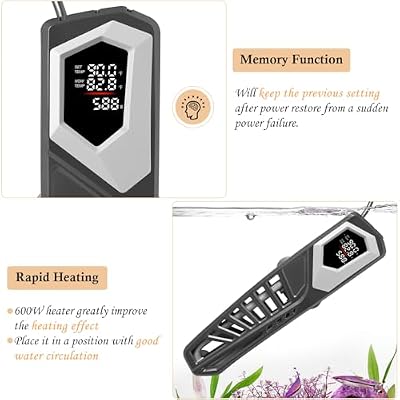


As an Amazon Associate we earn from qualifying purchases. Product prices and availability are accurate as of the date/time indicated.

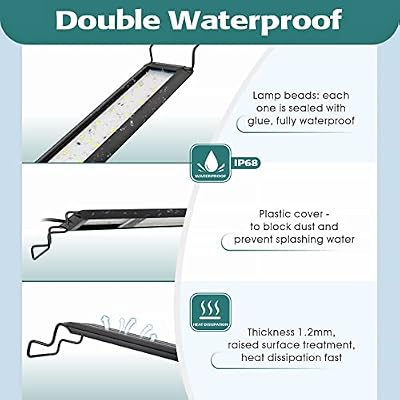


As an Amazon Associate we earn from qualifying purchases. Product prices and availability are accurate as of the date/time indicated.


As an Amazon Associate we earn from qualifying purchases. Product prices and availability are accurate as of the date/time indicated.
ATO Feature Comparison
| Feature | Basic Float ATO | Optical Dual-Sensor | Smart/Wi-Fi ATO |
|---|---|---|---|
| Sensor type | Mechanical float | Optical IR | Optical or ultrasonic |
| Failsafe sensor | Rarely included | Usually included | Always included |
| Salt creep risk | High | Very low | Very low |
| Reservoir compatibility | Any container | Any container | Branded or universal |
| App/alert support | No | No | Yes |
| Best for | Freshwater, budget reef | Reef, nano, SPS | Large reef, remote monitoring |
Sizing the Reservoir
Match reservoir capacity to how often you want to refill it. Estimate daily evaporation at 1–2% of total system volume for typical indoor rooms. A 100-gallon system losing 1.5 gallons per day needs a 10-gallon reservoir for a 7-day fill interval. A 5-gallon RODI jug works for nano tanks; 20–30-gallon Brute trash cans are the hobbyist standard for large reef systems. Store the reservoir in a cool, dark location to prevent algae growth inside the container — even pure RODI will green up with light and time.
Sensor Placement Best Practices
Mount the primary sensor in the return section of the sump, not the skimmer or refugium section — water level fluctuates most in those zones and will cause the ATO to cycle erratically. Keep the sensor 1–2 inches above the pump intake to prevent it from exposing the pump to air. Clean optical sensors monthly with a soft cloth dampened in fresh water; salt films cause false readings. If your sump has aggressive surface agitation, mount the sensor in a small acrylic tube or standpipe to calm the water surface around it.
ATO for Freshwater Tanks
Freshwater keepers benefit too. Planted tanks running CO2 and high light evaporate quickly, and a dropping water level exposes heaters and HOB intakes. An ATO keeps the water line consistent, which also maintains a steady surface gas exchange rate for CO2 dosing accuracy. The same optical units designed for reef use work perfectly in freshwater; just top off with dechlorinated tap water or RODI. See our CO2 diffuser guide for how stable water levels tie into CO2 efficiency, and check the heater placement guide for why consistent levels protect heating elements.
Frequently Asked Questions
What water should I use in an aquarium auto top off system?
Always use RODI (reverse osmosis deionized) water for reef and saltwater tanks — tap water introduces phosphates, silicates, and chloramines that feed nuisance algae and stress corals. Freshwater planted tanks can use dechlorinated tap water, but RODI is still ideal for soft-water species and shrimp tanks where TDS matters.
How do I prevent the ATO pump from running dry if the reservoir empties?
Place a low-level float switch in the reservoir wired to cut ATO power when the container drops near empty. Many smart ATO units include this as a built-in alert or automatic shutoff. Alternatively, choose a pump with thermal overload protection that shuts off automatically when run dry — a feature worth checking before purchase.
Can an aquarium auto top off system cause a flood if it malfunctions?
Yes, a stuck-on relay or failed sensor can overflow the sump if no secondary failsafe exists. Always install a high-level sensor in the sump as a hard cutoff. Some hobbyists add a mechanical timer as a third layer — limiting ATO run time to a maximum of 10–15 minutes per cycle regardless of sensor state, since legitimate top-off cycles should never need longer.
How often should I calibrate or clean an optical ATO sensor?
Monthly cleaning is sufficient for most reef tanks. Wipe the lens area with a damp cloth — avoid abrasives. In tanks with heavy coralline algae growth, check the sensor every two weeks. Recalibrate per the manufacturer’s instructions after any cleaning, as residual moisture can shift the baseline reading slightly until the lens fully dries.
Does running an ATO affect my specific gravity readings?
When working correctly, an ATO stabilizes specific gravity by offsetting evaporation losses continuously rather than letting salinity creep up between manual additions. If you notice salinity slowly rising despite the ATO running, check that the reservoir is filled with pure RODI, not accidentally mixed saltwater, and verify the sensor is triggering promptly rather than allowing a large swing before it activates. Cross-reference with our refractometer calibration guide to ensure your measurements are accurate.
Ready to decide? Our #1 pick for 2026 is the Sensor type.
Live price & availability on Amazon.
Related Reviews & Guides

Best Aquarium Decor for Shrimp Hiding Spots: Smart Top Hides
Common Mistakes When Buying an Aquarium Stand: Top Guide