Last Updated: October 9, 2026

TL;DR: Aquarium driftwood pre soaked before going in a tank prevents tannin spikes, floating, and fouled water. This guide explains why soaking matters, how long to do it, and which pre-soaked driftwood options save you days of prep time.
Aquarium Driftwood Pre Soaked: Why It Matters and What to Buy
Few hardscape elements anchor a Nature Aquarium layout as powerfully as a piece of aged driftwood. The branching silhouette, the way Java fern and Anubias settle into every crevice, the soft amber tint the wood lends to the water — it is atmosphere you cannot fake with resin replicas. But raw driftwood has a problem: it floats, it bleeds tannins at concentrations that drive pH down and turn the water tea-brown, and in extreme cases it introduces mold or bacterial blooms that stress livestock.
As an Amazon Associate we earn from qualifying purchases at no extra cost to you.
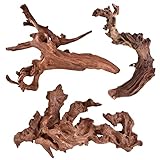
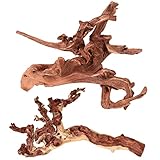


The solution is straightforward: soak the wood thoroughly before it ever touches your display tank. Aquarium driftwood that has been pre soaked has already shed the bulk of its tannin load, absorbed enough water to sink on its own, and had surface contaminants leached out under controlled conditions. For aquascapers who want to scape, not wait, buying pre-treated pieces or completing a proper soaking protocol at home is the only sensible approach.
🛒 Best Price Today on Amazon
Prime members get fast, free shipping on everything above, plus member-only deals. New members get a 30-day free trial — cancel anytime.
Start 30-Day Prime Free Trial →See Today’s Amazon DealsWhat Happens If You Skip the Soak
Dry driftwood placed directly in a planted tank will float for anywhere from three days to three weeks depending on density and size. During that time it leaches tannins rapidly — a process that can drop pH by 0.5–1.5 units in a lightly buffered soft-water tank and turn the water an opaque brown that blocks light from reaching your plants. In a CO2-injected high-tech setup, that pH swing compounds the carbonate buffering equation and makes consistent CO2 dosing much harder to dial in.
Beyond aesthetics, freshly collected or newly purchased wood may carry surface mold spores and tannic acids at levels that irritate gill tissue in sensitive species like discus, cardinal tetras, and apistogrammas. Pre-soaking for 7–14 days in clean water — changed every 48 hours — removes the majority of these compounds and dramatically reduces in-tank impact.
Top Aquarium Driftwood Pre Soaked Picks





As an Amazon Associate we earn from qualifying purchases. Product prices and availability are accurate as of the date/time indicated.



As an Amazon Associate we earn from qualifying purchases. Product prices and availability are accurate as of the date/time indicated.


As an Amazon Associate we earn from qualifying purchases. Product prices and availability are accurate as of the date/time indicated.
How to Pre-Soak Driftwood at Home
The process requires a container large enough to fully submerge the piece and a source of dechlorinated or tap water at room temperature. Boiling works for small pieces and is the fastest method — 30–60 minutes of rolling boil pasteurises the surface, opens wood fibres for faster water absorption, and drives out a significant tannin load in a single session. For large Manzanita or Spider Wood branches too big to boil, bucket soaking with daily water changes is the practical alternative.
- Day 1–2: Submerge fully, weigh down with rocks or a pot lid. Water will colour dark brown immediately — this is normal.
- Day 3–4: Change water completely. Colour will be lighter. Check if wood sinks unassisted.
- Day 5–7: Repeat water change. Most pieces will begin sinking on their own by day 7.
- Day 10–14: Final check. If water stays clear within 24 hours of a change, the wood is ready for the display tank.
After soaking, rinse the piece under running water and scrub lightly with a clean brush to remove any loose debris or surface biofilm before placing it in your aquascape.
Driftwood Types and Their Soaking Requirements
Different wood species behave differently in water. Understanding these differences helps you set realistic expectations and choose the right piece for your layout style.
Spec Comparison Table
| Wood Type | Avg. Soak Time to Sink | Tannin Release | Hardscape Style | Saltwater Safe |
|---|---|---|---|---|
| Spider Wood (Azalea root) | 7–14 days | High | Nature, Iwagumi accent | No |
| Manzanita | 3–7 days | Moderate | Minimalist, Dutch | No |
| Cholla (Cactus skeleton) | 2–5 days | Low | Shrimp tanks, nano | No |
| Malaysian Driftwood | 10–21 days | Very high | Southeast Asian biotope | No |
| Bogwood / Mopani | 14–28 days | Very high | African biotope | No |
| Spiderwood (pre-soaked) | Ready to use | Minimal | Nature, nano | No |
Placing Driftwood in Your Aquascape
Once your aquarium driftwood is pre soaked and sinks reliably, placement becomes the creative challenge. In Nature Aquarium style, the primary piece typically follows the golden ratio — positioned at roughly one-third from the left or right of the tank width, with the main branch line angled upward toward the centre of visual interest. Secondary pieces echo the angle and texture of the primary without mirroring it exactly.
Attach slow-growing epiphytes like Anubias nana, Bucephalandra, and Java fern directly to the wood surface using cotton thread or aquarium-safe superglue gel. The rhizome should rest against the wood surface, not buried — burying epiphyte rhizomes causes rot. For technique, see our guide on aquarium plant attachment methods.
If you are running CO2 injection, position the diffuser downstream of the primary driftwood piece so rising CO2 mist sweeps across the hardscape before reaching the plant canopy. Pairing driftwood with proper CO2 distribution is covered in detail in our aquarium CO2 diffuser placement guide.
For substrate work, press the base of the driftwood into the substrate layer before capping with fine gravel or sand — this anchors it mechanically and allows beneficial bacteria to colonise the buried wood tissue, contributing to the tank’s overall nitrogen cycle. Review substrate layering techniques in our planted tank substrate guide.
FAQ: Aquarium Driftwood Pre Soaked
How long does aquarium driftwood need to be pre soaked before it stops releasing tannins?
Most driftwood releases the majority of its tannins within the first 7–14 days of soaking with daily water changes. Dense hardwoods like Malaysian driftwood can continue releasing tannins for 3–4 weeks. The practical test: fill a clear glass with the soak water and hold it up to light — when it runs nearly clear within 12 hours of a water change, the wood is ready. A low residual tannin level in the display tank is harmless and even beneficial for blackwater biotope setups.
Will pre soaked driftwood still affect my aquarium pH?
Yes, but significantly less than raw wood. Residual tannins and humic acids released by even well-soaked wood have a mild acidifying effect — typically less than 0.2–0.3 pH units in a buffered tank. In a soft, low-KH planted tank this can be a feature rather than a problem, creating the slightly acidic conditions that South American fish and many Cryptocoryne species prefer. Monitor pH after introduction and adjust buffering if needed.
Can I speed up the soaking process for aquarium driftwood?
Boiling is the most effective accelerant — 30–60 minutes of sustained boiling achieves what 5–7 days of cold soaking does for tannin extraction, while also sterilising the surface. You can also add a small amount of activated carbon to your soak bucket; carbon adsorbs tannins from the water, keeping the soaking medium from becoming saturated and slowing extraction. Change the carbon every 48 hours alongside the water change.
Is white fuzz on soaking driftwood dangerous?
White or grey biofilm on driftwood during soaking is almost always harmless saprophytic fungi or bacteria digesting surface organic matter — the same process that occurs naturally on fallen wood in rivers. Scrub it off with a clean brush, rinse the piece thoroughly, and continue soaking. In the tank, bottom-feeding fish like otocinclus, bristlenose plecos, and mystery snails will graze this biofilm and prevent it from accumulating to problematic levels.
Does pre soaked driftwood still need to be secured to the tank bottom?
A properly soaked piece of dense wood will sink and stay put under its own weight. However, irregularly shaped pieces like Spider Wood can shift during water changes or when active fish push against them. Pressing the base into a thick substrate layer, using aquarium-safe epoxy to bond it to a flat slate base, or attaching it to a stainless steel mesh anchor are all reliable options for securing light or oddly shaped pieces without drilling the glass.
Frequently Asked Questions
Why does driftwood need soaking?
Soaking waterlogs the wood so it sinks rather than floats, and leaches out the tannins that stain water tea-brown. Fresh wood can bob for weeks on end. Pre-soaked or boiled pieces sink much faster and release far fewer tannins, saving you weeks of buckets and extra water changes.
Are tannins bad for fish?
No. They lower pH slightly, soften water and have mild antibacterial properties that blackwater species such as bettas, apistogramma and many tetras genuinely enjoy. The colour is cosmetic only. If you dislike it, run activated carbon or Purigen and do larger water changes until leaching slows.
How do I make driftwood sink?
Boil smaller pieces for one to two hours, which also sterilises them, or soak large pieces in a bin for one to four weeks with regular water changes. Until it sinks on its own, wedge the wood under rock, screw it to a slate base, or tie it down with fishing line.
What is the white fuzz on new driftwood?
It is a harmless biofilm of saprophytic fungus feeding on surface sugars, very common in the first few weeks. It clears on its own once the wood is depleted. Shrimp, otocinclus, nerite snails and many plecos graze it off, or you can simply siphon it away at water changes.
Which wood types are aquarium safe?
Spiderwood, manzanita, mopani, malaysian and cholla are all safe. Mopani is dense and sinks fast but leaches heavily, while spiderwood floats longer and grows more biofilm. Avoid resinous woods such as pine and cedar, and never use timber that has been chemically treated or sprayed.
Ready to decide? Our #1 pick for 2026 is the Spider Wood (Azalea root).
Live price & availability on Amazon.
Related Reviews & Guides

Best Canister Filter With Built In UV Sterilizer: Smart Buy
Best Auto Top Off System Maintenance and Cleaning Kit: Picks