Last Updated: October 4, 2026
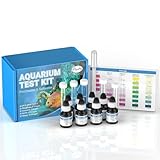
- Top Pick: AAwipes 8-in-1 Aquarium Test Kit for Fish Tanks – Quick & Accurate Water Testing Strips for Aquariums & Ponds. Tests pH, Ammonia, Alkalinity, Hardness, Chlorine, etc. (K02-50)
- Best Value: AAwipes Aquarium Ammonia Test Strips 8-in-1 |25 Strips | Quick & Accurate Water Testing Test pH, Ammonia, Alkalinity, Hardness, Chlorine, Nitrite, etc. (K02-25)
- Premium Choice: 11 in 1 – Aquarium Test Strips | 950 Tests – 150 Strips | Fish Tank Aquariums Water Test Kit & ebook | Aquarium Thermometer | Fish Tank Water Testing Kit Includes 50 Ammonia Strips | Versatile Usage
🛒 Best Price Today on Amazon
Prime members get fast, free shipping on everything above, plus member-only deals. New members get a 30-day free trial — cancel anytime.
Introduction
Water testing is the single most important maintenance practice in aquarium keeping — it is the difference between thriving fish and a constant cycle of disease and death. Most fish losses in home aquariums are directly linked to poor water quality that went undetected because the owner did not test regularly. This guide explains the key parameters to monitor and the best testing tools to ensure your aquarium water stays pristine.
As an Amazon Associate we earn from qualifying purchases at no extra cost to you.




What to Look For
- Essential parameters: The core parameters every aquarist must test are ammonia (0 ppm), nitrite (0 ppm), nitrate (below 20–40 ppm for freshwater), and pH (species-appropriate range). In saltwater systems, add specific gravity, alkalinity, calcium, and magnesium to this list.
- Accuracy vs. convenience: Liquid test kits are significantly more accurate than test strips and are preferred by experienced hobbyists, especially for critical parameters like ammonia. Digital pH and TDS meters offer fast, reliable readings for those parameters specifically.
- Testing frequency: Test new tanks daily until fully cycled, then weekly for established tanks. Always test immediately after adding new fish, treating disease, or performing a large water change that may disrupt biological balance.
Top Picks
API Freshwater Master Test Kit
The API Freshwater Master Test Kit is the most trusted and widely used test kit in the freshwater hobby. It includes tests for pH, high range pH, ammonia, nitrite, and nitrate — the five core freshwater parameters — with enough reagent for 800 total tests across all five categories. The color-coded comparison cards are easy to read, and the kit provides accuracy comparable to professional laboratory methods at an affordable price.
Hanna Instruments HI98107 pHep pH Tester
For pH specifically, a digital meter like the Hanna HI98107 pHep provides fast, precise readings that are easier to interpret than color-matching liquid tests. Accurate to 0.1 pH units, it is ideal for planted tanks, shrimp tanks, and any system where maintaining a specific pH range is critical. The compact, waterproof design makes it convenient for regular use.
Red Sea Reef Foundation Test Kit
For reef aquarium keepers, the Red Sea Reef Foundation Test Kit covers the essential marine parameters — alkalinity (KH), calcium, and magnesium — that determine coral skeleton growth and overall reef health. The kit uses colorimetric titration for accurate, repeatable results and is the preferred choice among serious reef hobbyists who need precise parameter data for dosing calculations.
The Key Parameters to Test
Effective water testing comes down to monitoring a handful of parameters that determine whether your fish thrive. The nitrogen cycle compounds are the most critical: ammonia and nitrite are highly toxic and should always read zero in an established tank, while nitrate is far less harmful but should be kept below 20 to 40 ppm through water changes. Beyond these, pH tells you how acidic or alkaline the water is, with most community fish comfortable between 6.5 and 7.5. Testing general hardness and carbonate hardness rounds out the picture, since carbonate hardness buffers against dangerous pH swings.
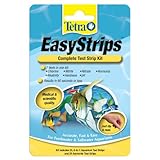
How you test matters as much as what you test. Liquid reagent kits are generally more accurate and economical than paper strips, though strips are convenient for quick weekly checks. Follow each test’s timing and shaking instructions precisely, since rushed or sloppy technique produces false readings. Keeping a simple log of your results over time helps you spot trends, such as nitrate steadily climbing, before they become problems.
Acting on Your Results
Testing is only useful if you respond to what it tells you. A detectable ammonia or nitrite reading calls for an immediate partial water change and a look at whether you are overfeeding or overstocked. Rising nitrate means it is time for more frequent or larger water changes. Understanding the relationships between parameters lets you fix root causes rather than chasing symptoms.
- Zero tolerance for ammonia and nitrite: Any reading above zero demands an immediate water change and investigation.
- Stabilize pH through KH: If pH swings, test carbonate hardness, since low KH leaves water with little buffering.
- Track trends: Logging results reveals gradual changes you might otherwise miss.
Building a Testing Routine
Consistency turns water testing from an occasional chore into a reliable early-warning system. Test frequently while a tank is cycling to watch ammonia and nitrite rise and fall, then settle into a weekly schedule once the tank is established. Always test before a water change so you know your true baseline, and keep a simple log of results so you can spot gradual trends like creeping nitrate. Test immediately whenever fish look unwell, since water quality is the most common hidden cause of illness. A steady routine, paired with prompt action on any bad reading, keeps your aquarium stable and your fish healthy far more effectively than sporadic spot checks.
Frequently Asked Questions
What are the most important water parameters to test?
The essentials are ammonia, nitrite, and nitrate, which track the nitrogen cycle, plus pH. Ammonia and nitrite should be zero, nitrate should stay low, and pH should be stable and suited to your fish.
How do I lower high ammonia in my tank?
Do an immediate partial water change to dilute the ammonia and stop feeding for a day or two. Then address the cause, which is often overfeeding, overstocking, or an incomplete nitrogen cycle.
What causes my pH to swing?
Unstable pH is usually due to low carbonate hardness, which leaves the water with little buffering capacity. Testing KH alongside pH reveals whether you need to add buffering to keep pH steady.
How often should I test my water?
Test frequently while a new tank cycles, then weekly once it is established. Always test right away if fish look unwell, since water quality is the most common underlying cause of problems.
Are test strips accurate enough?
Test strips are convenient for quick weekly screening but are generally less precise than liquid reagent kits. For troubleshooting or confirming a concerning result, a liquid test is more reliable.
Does temperature affect water test results?
Temperature itself is not one of the core chemistry tests, but it influences fish health and the biological processes behind your readings. Keep temperature stable and appropriate for your species, and always test the actual tank water rather than freshly added replacement water.
Final Thoughts
A comprehensive water testing routine removes the guesswork from aquarium maintenance and allows you to address problems proactively before they harm your fish. Invest in a quality liquid test kit as your foundation, supplement with a digital pH meter for precision, and test consistently on a weekly schedule. Healthy water is invisible — only testing confirms it.
Related Reviews & Guides



Best Diy Vs Prebuilt Aquarium Stand For 75 Gallons: Compared

Best Aquarium Water Change Pumps for Effortless Cleaning and Maintenance: Top P