Last Updated: October 21, 2026
- Top Pick: FRESHWATER SHRIMPS: The Complete Guide to Freshwater Shrimps Keeping, Aquarium Setup, Breeding, Feeding, and Care for Crystal Reds, Cherry Shrimp, and More
- Best Value: CHERRY SHRIMP HANDBOOK: Grooming, Health Care, Feeding, Handling, Tank Setup, Maintenance And Everything You Need To Know About Keeping Cherry Shrimps As Home Pets.
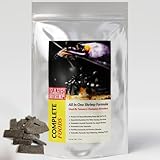
- Premium Choice: Invert Aquatics Micro Mix – Sinking Blended Diet for Snails, Shrimp & Bottom Feeding Fish (1.5 oz (42.5g))
🛒 Best Price Today on Amazon
Prime members get fast, free shipping on everything above, plus member-only deals. New members get a 30-day free trial — cancel anytime.
Introduction
Cherry shrimp (Neocaridina davidi) are among the most popular and beginner-friendly freshwater invertebrates, prized for their vivid red coloration and tireless algae-cleaning behavior. They are peaceful, hardy, and breed readily in a well-maintained tank, making them a rewarding addition for hobbyists of all experience levels. This guide covers everything you need to set up a successful cherry shrimp tank.
As an Amazon Associate we earn from qualifying purchases at no extra cost to you.





What to Look For
- Water parameters: Cherry shrimp thrive at 65–75°F, pH 6.5–7.5, and TDS 150–250 ppm. A reliable water conditioner and remineralizer keep parameters stable and stress-free.
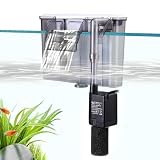
- Filtration with shrimp safety: Standard hang-on-back filters can suck up baby shrimp — always use a sponge filter or attach a pre-filter sponge to protect juveniles and feeding biofilm.
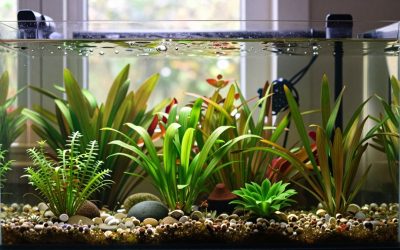
- Substrate and hiding spots: A dark, fine-grain substrate enhances shrimp color, while live plants, moss, and small caves provide critical molting refuges and biofilm-covered surfaces to graze on.
Top Picks
Hikari Shrimp Cuisine
Hikari Shrimp Cuisine is a highly regarded sinking wafer specifically formulated for ornamental shrimp. It softens quickly for easy consumption, contains spirulina and other plant-based ingredients shrimp love, and does not cloud water. Feed a small piece two to three times per week as a supplement alongside natural biofilm grazing.
Hygger Aquarium Sponge Filter
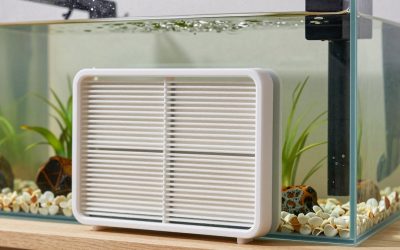
A sponge filter is the gold standard for cherry shrimp tanks. The Hygger double-sponge filter provides gentle, shrimp-safe filtration while cultivating beneficial bacteria on its surface — a bonus feeding area for shrimp. It is quiet, easy to clean, and powered by a standard air pump.
Seachem Stability Bacterial Supplement
When setting up a new shrimp tank, Seachem Stability accelerates the nitrogen cycle dramatically, making water safe for shrimp weeks faster than cycling naturally. Add it daily for the first week and after every water change. Cherry shrimp are sensitive to ammonia and nitrite spikes, so a fast, stable cycle is critical to their survival.
Setting Up a Thriving Cherry Shrimp Tank
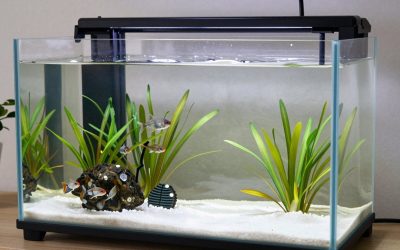
Cherry shrimp are small and undemanding, but a stable, mature tank is the secret to keeping a colony thriving. A nano tank of five gallons or more works well, and an established tank with a healthy layer of biofilm and algae gives shrimp a constant natural food source. Aim for a temperature between 65 and 78 degrees Fahrenheit, a pH around 6.5 to 7.5, and moderate hardness, since shrimp need minerals to molt properly. Because they are tiny, use a sponge filter or cover your filter intake so shrimp and shrimplets are not sucked in.
Stability matters more than precise numbers with cherry shrimp. They are sensitive to sudden swings in temperature and chemistry and to spikes in ammonia and nitrite, so a fully cycled tank and gentle, gradual acclimation are essential. Live plants such as java moss and floating plants provide shelter, grazing surfaces, and hiding spots for vulnerable newly molted shrimp and babies. A dense, planted tank with plenty of cover supports the largest, healthiest colonies. Avoid keeping cherry shrimp in a brand-new tank, since they rely on the established biofilm and stable parameters that only develop over time, and add them slowly once the tank has matured.
Feeding and Breeding Cherry Shrimp
In a mature tank, cherry shrimp graze constantly on biofilm and algae, so they need only light supplemental feeding. Offer small amounts of specialized shrimp food, blanched vegetables, or algae wafers a few times a week, and remove anything uneaten after a couple of hours to protect water quality. Overfeeding is a common mistake that fouls the water and can trigger harmful bacteria.
- Feed sparingly: A small portion a few times weekly is plenty in an established, algae-rich tank.
- Support molting: Adequate minerals and stable water help shrimp molt and grow their new shells successfully.
- Encourage breeding: In a stable tank with good cover, cherry shrimp breed readily, and females carry eggs under their tails until the babies hatch.
Choosing Tank Mates for Cherry Shrimp
Selecting the right companions, or none at all, has a big impact on a cherry shrimp colony. Many fish view tiny shrimp and especially shrimplets as food, so a heavily planted tank with dense cover like java moss is essential if you keep shrimp alongside fish. Small, peaceful, non-predatory fish such as some nano species are the safest choices, while anything with a large mouth or hunting instinct should be avoided. Snails make excellent, harmless tankmates and share the cleanup duty. For the fastest growth and the most surviving babies, many keepers maintain a dedicated shrimp-only tank, which lets the colony multiply without losses to predation.
Related Guides
- Discus Fish Care: Best Products for Success
- Best 20 Gallon High Fish Tank Stand 2026
- Best Sturdy Fish Tank Stand 2026
- Best Aquarium Fish Tank Background Poster 2026
- Best Diy Fish Tank Stand 2026
Frequently Asked Questions
What water parameters do cherry shrimp need?
Cherry shrimp do well at 65 to 78 degrees Fahrenheit, a pH around 6.5 to 7.5, and moderate hardness for healthy molting. Stability is more important than hitting exact numbers, so avoid sudden swings.
How many cherry shrimp can I keep in a tank?
Cherry shrimp have a very small bioload, so you can keep a sizable colony even in a nano tank. A common starting point is around two to five shrimp per gallon, and they will multiply from there in good conditions.
What do cherry shrimp eat?
They graze constantly on biofilm and algae in a mature tank, supplemented with small amounts of shrimp food, blanched vegetables, or algae wafers. Feed lightly and remove uneaten food to keep the water clean.
Can cherry shrimp live with fish?
They can coexist with small, peaceful fish, but many fish will eat shrimplets, so a heavily planted tank with hiding spots is important. For maximum breeding, many keepers house cherry shrimp in a species-only tank.
Why are my cherry shrimp dying after I add them?
Sudden deaths after introduction usually point to an immature tank, poor acclimation, or a parameter swing. Adding shrimp only to a fully cycled tank and acclimating them slowly over an hour or more greatly improves survival.
How can I make my cherry shrimp colorful?
Vivid red coloration comes from good genetics combined with a stable, low-stress environment. A dark substrate, planted cover, a steady diet, and clean water all help shrimp display their deepest color, and selectively keeping the reddest individuals strengthens color over generations.
Final Thoughts
Cherry shrimp are forgiving, colorful, and endlessly entertaining to watch as they clean every surface in your tank. With stable water chemistry, shrimp-safe filtration, and a varied diet, a colony of 10 shrimp can grow to hundreds within six months. They are the perfect low-effort, high-reward inhabitant for any freshwater aquarium.
Best Aquarium Setup for a Classroom: A Top Compared Guide

4 Best Aquarium Phosphate Removers