Last Updated: October 21, 2026
Discus Fish Care: What You Need to Thrive
Discus fish are the jewels of the freshwater aquarium hobby. Known for their vivid colors and round, disc-shaped bodies, they reward dedicated aquarists with stunning displays. However, discus demand pristine water conditions, warm temperatures (82–86°F), and a high-protein diet. Whether you’re a first-time discus keeper or looking to upgrade your setup, the right equipment makes all the difference. This guide covers the top products to keep your discus healthy, vibrant, and stress-free.

Seachem Discus Trace 500 mL / 17 fl. oz.
Included for 'Discus Fish Care: Best Products for Success' as a representative aquarium product in this roundup; selection reflects the product set returned for this topic.
View on Amazon
Hikari® Discus Bio-Gold® Sinking Protein-Packed Discs for Discus and Tropical Fish, 2.82 oz (80g)
Included for 'Discus Fish Care: Best Products for Success' as a representative aquarium product in this roundup; selection reflects the product set returned for this topic.
View on Amazon
Discus Minerals 4.22 Oz Concentrated Mineral Additive for Discus Fish - Improves Discus Health, Helps Reduce Stress and Replenish Protective Coat - Freshwater Aquarium Salt Treats 660 Gallons
Included for 'Discus Fish Care: Best Products for Success' as a representative aquarium product in this roundup; selection reflects the product set returned for this topic.
View on Amazon
Sera Discus Color Gran 250ml (8.4 fl oz) | Premium Discus Fish Food | With Natural Astaxanthin & Spirulina | Boosts Color Naturally | No Artificial Additives | Soft Granules for Easy Digestion
Included for 'Discus Fish Care: Best Products for Success' as a representative aquarium product in this roundup; selection reflects the product set returned for this topic.
View on Amazon
Seachem Flourish Trace 250 mL / 8.5 fl. oz.
Included for 'Discus Fish Care: Best Products for Success' as a representative aquarium product in this roundup; selection reflects the product set returned for this topic.
View on Amazon
Brightwell Aquatics DiscusCode Discus Fish Trace Supplement, 500ml
Included for 'Discus Fish Care: Best Products for Success' as a representative aquarium product in this roundup; selection reflects the product set returned for this topic.
View on Amazon
Seachem NutriDiet Discus Flakes w/Probiotics 100 g / 3.5 oz
Included for 'Discus Fish Care: Best Products for Success' as a representative aquarium product in this roundup; selection reflects the product set returned for this topic.
View on Amazon
Seachem Discus Buffer 250 g / 8.8 oz
Included for 'Discus Fish Care: Best Products for Success' as a representative aquarium product in this roundup; selection reflects the product set returned for this topic.
View on Amazon1. Seachem Discus Buffer & pH Stabilizer
Discus thrive in soft, slightly acidic water (pH 6.0–7.0). A quality buffer helps you hit and hold that target. Seachem’s Discus Buffer lowers pH while softening water, mimicking the Amazon basin conditions discus naturally inhabit. It works alongside Seachem Acid Buffer for fine-tuned control. Use it during water changes to maintain consistency and reduce the osmotic stress that can trigger disease outbreaks.
2. Eheim Jager Aquarium Heater
Stable, high temperatures are non-negotiable for discus. The Eheim Jager is a fully submersible, TruTemp heater with a recalibration dial so you can verify accuracy against a thermometer. Its shatterproof borosilicate glass and automatic shut-off if removed from water make it a long-term workhorse. Available in sizes from 25W to 300W to suit tanks from 10 to 160 gallons, it’s widely regarded as one of the most reliable heaters on the market.
3. Hikari Discus Bio-Gold Fish Food
Discus are heavy feeders that need protein-rich diets to maintain color and body condition. Hikari Discus Bio-Gold pellets are formulated with wheat germ, spirulina, and color-enhancing carotenoids. The pellets soften quickly so discus—which are mid-water column feeders—can eat before food hits the bottom. Feed 2–3 times daily, only what they consume in 3 minutes, to keep water quality high.
Discus Fish Buying Guide
- Tank size: Minimum 55 gallons for a group of 6; discus are social and do poorly alone.
- Temperature: Keep at 82–86°F consistently; fluctuations cause stress and disease.
- Water changes: 25–50% weekly is standard; discus are sensitive to ammonia and nitrate buildup.
- Filtration: Use a canister filter rated 4–5x your tank volume per hour; avoid strong surface agitation.
- Tank mates: Cardinal tetras, altum angelfish, and corydoras catfish are compatible; avoid aggressive or fin-nipping species.
- Quarantine: Always quarantine new discus for 4–6 weeks before adding to an established tank.
Discus Water Parameters and Tank Setup
Discus are among the most demanding freshwater fish because they need warm, pristine, and stable water. They thrive at temperatures between 82 and 86F, noticeably warmer than most community fish, which is why a reliable heater is non-negotiable. They prefer soft, slightly acidic water with a pH around 6.0 to 7.0, and they are very sensitive to ammonia and nitrate, so a fully cycled tank and excellent filtration are essential before any discus are introduced.
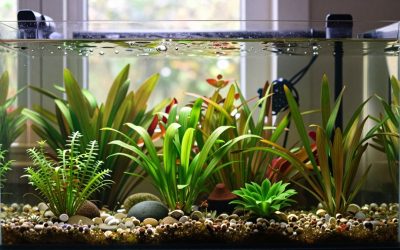
Because discus grow large and are social, they should be kept in groups of at least five or six in a tall, spacious tank, with a common guideline of around ten gallons per adult fish. Stability matters more than chasing perfect numbers; sudden swings in temperature, pH, or water chemistry stress discus quickly and can trigger disease. Many keepers run bare-bottom tanks for easy cleaning, though a planted setup works well for experienced aquarists who can keep nitrates low through frequent water changes, often several times a week. Investing in a quality water test kit lets you monitor ammonia, nitrite, nitrate, and pH closely, which is invaluable with a fish this sensitive. Consistency in feeding, lighting, and maintenance schedules also helps discus settle and color up.
Feeding, Health, and Tank Mates
Discus appreciate a varied, protein-rich diet that may include high-quality discus pellets or flakes, frozen bloodworms, and brine shrimp. Some keepers feed beef heart preparations for fast growth, but these foul water quickly and demand extra cleaning. Young discus need feeding several times a day to grow properly, while adults can be fed two or three times daily in modest amounts. Removing uneaten food promptly is critical, since these fish are so intolerant of declining water quality.
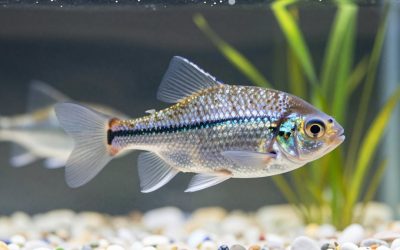
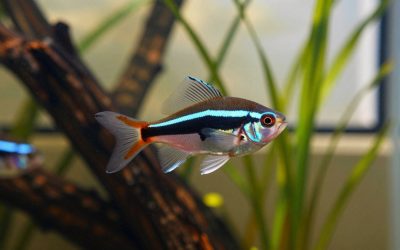
For tank mates, choose peaceful, warmth-tolerant species that will not outcompete the slow, deliberate discus for food. Cardinal tetras, rummynose tetras, and certain corydoras are popular companions because they handle the high temperatures discus require. Avoid fin-nippers, aggressive cichlids, and fast, greedy feeders. Watch for early signs of stress such as darkened color, clamped fins, hiding, or loss of appetite, which often point to a water-quality issue. With disciplined maintenance and a calm environment, discus reward keepers with stunning color and the graceful presence that makes them the centerpiece of any tank. Because discus are shy by nature, a calm location away from heavy foot traffic and sudden movements helps them feel secure and display their best behavior.
Frequently Asked Questions
What temperature do discus fish need?
Discus thrive in warm water between 82 and 86F, which is warmer than most tropical community fish. A reliable, properly sized heater is essential to keep this temperature stable.
How many discus should I keep together?
Discus are social and feel most secure in groups of at least five or six. A common stocking guideline is around ten gallons per adult fish in a tall, spacious tank.
Are discus fish hard to keep?
Discus are considered an advanced fish because they demand warm, soft, pristine water and frequent water changes. With a stable, well-filtered tank and a consistent routine, dedicated keepers can succeed with them.
What do discus fish eat?
Discus do best on a varied, protein-rich diet of quality discus pellets or flakes plus frozen foods like bloodworms and brine shrimp. Young discus need several small feedings a day to grow properly.
What fish can live with discus?
Good tank mates handle warm water and are peaceful, such as cardinal tetras, rummynose tetras, and certain corydoras. Avoid fin-nippers, aggressive cichlids, and fast feeders that will outcompete discus for food.
Final Thoughts
Discus fish care is demanding but deeply rewarding. With stable warm water, a protein-rich diet, and reliable equipment, your discus can live 10+ years and grow to impressive sizes. Invest in quality from the start—a good heater, pH buffer, and premium food will save you money and heartache in the long run. Start with the products above, research your specific discus variant, and enjoy one of the hobby’s most spectacular fish.

Best Aquarium for Hard Water Fish: Top Compared Size Guide

Best Smart Aquarium Monitoring System With Alerts: Compared