Last Updated: October 9, 2026
- Top Pick: The Neocaridina Shrimp Handbook: A complete guide to Cherry Shrimp
- Best Value: Generic Shrimp Up Aquatics™ 20+ Mixed Color Neocaridina Shrimp Live Freshwater Aquarium Inverts Live Arrival! Mixed
- Premium Choice: Professional Shrimp Microbial Food Powder – Biofilm & Microorganism Booster – Increases Shrimplet Survival – Taiwan Formula (35g/1.22oz) – Perfect for Dwarf Shrimp caridina, neocaridina, Crystal
🛒 Best Price Today on Amazon
Prime members get fast, free shipping on everything above, plus member-only deals. New members get a 30-day free trial — cancel anytime.
Top Cherry Shrimp Care Keeping Breeding Picks for 2026
Here are our current top cherry shrimp care keeping breeding picks, compared on real Amazon owner reviews, price, and features. Live prices update below.
As an Amazon Associate we earn from qualifying purchases at no extra cost to you.





Cherry shrimp have taken the aquarium hobby by storm, and for good reason. These small, bright red invertebrates are colorful, fascinating to watch, endlessly active, and surprisingly easy to keep and breed. Scientifically known as Neocaridina davidi, the red cherry shrimp is the most popular member of a hardy group of dwarf shrimp that thrive in planted tanks. Whether you want a dedicated shrimp tank or a colorful cleanup crew for a peaceful community, this guide covers everything you need to keep and breed cherry shrimp successfully.
Meet the Cherry Shrimp
Cherry shrimp are Neocaridina dwarf shrimp, reaching about an inch to an inch and a half as adults. They come in many color grades, from pale “cherry” red to deep, solid “fire” and “painted” reds, and the same species is sold in other colors such as yellow, blue, and green. They are peaceful grazers that spend their days picking at biofilm, algae, and leftover food across every surface of the tank.
One of their biggest appeals is hardiness. Compared to fussier Caridina shrimp, Neocaridina like the cherry shrimp tolerate a wide range of conditions, making them an excellent beginner invertebrate. They are best kept in groups, and a healthy colony will quickly fill a tank with activity and color.
Tank Setup for Cherry Shrimp
Cherry shrimp do not need much space, which makes them perfect for nano tanks. A 5 to 10 gallon aquarium can support a thriving colony. Our nano aquarium setup guide and 10 gallon setup guide are great starting points.
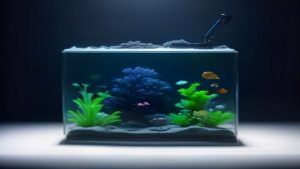
The single most important feature is a planted, mature tank. Shrimp graze constantly on biofilm, the thin layer of microorganisms that grows on plants, hardscape, and substrate. Live plants and mosses give shrimp food, cover, and surfaces to graze, and they help keep water clean. Mosses are ideal, especially for shrimplets; see our Java moss guide and fast-growing hornwort guide.
Use a gentle filter so tiny shrimp and babies are not sucked in. A sponge filter is the classic shrimp-tank choice because it is safe and grows plenty of grazeable biofilm; learn more in our filter comparison guide.
Water Parameters and Stability
Cherry shrimp are hardy, but stability matters more than hitting an exact number. Sudden swings in temperature or chemistry are far more dangerous to shrimp than a stable parameter slightly outside the ideal. Always keep the tank fully cycled before adding shrimp.
| Parameter | Recommended Range |
|---|---|
| Temperature | 65-78°F |
| pH | 6.5-8.0 |
| Hardness (GH) | Moderate (shrimp need minerals for molting) |
| Ammonia / Nitrite | 0 ppm |
| Nitrate | Low, below 20 ppm |
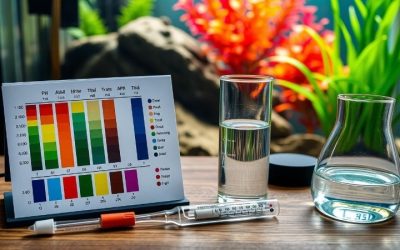
Shrimp molt as they grow and need adequate minerals (especially calcium) in the water to build new shells, so moderately hard water is beneficial. Our water hardness guide explains GH and KH, and our water testing guide helps you monitor parameters. Do small, gradual water changes to keep things stable rather than large, sudden ones.
The Copper Warning
This is the most important safety rule for any shrimp keeper: copper is highly toxic to invertebrates. Many fish medications, especially those treating parasites and ich, contain copper that can wipe out an entire shrimp colony. Always read the label of any medication, treatment, or even plant fertilizer, and avoid copper-based products in a shrimp tank.
This is also why a quarantine tank is so valuable, letting you treat sick fish elsewhere instead of dosing the shrimp tank. Some snail-killing products and certain treatments are likewise unsafe for shrimp. When in doubt, research the active ingredients before adding anything to a tank with invertebrates.
Feeding and Tank Mates
In a mature planted tank, shrimp get much of their food from natural biofilm and algae, but you should supplement to keep a growing colony healthy.
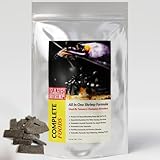
- Specialized shrimp pellets or wafers as a staple
- Blanched vegetables like zucchini, spinach, and cucumber
- Occasional protein in small amounts
- Natural algae and biofilm grazed throughout the day
Feed sparingly, only what they finish in a couple of hours, to keep water clean and prevent excess algae. For tank mates, choose only peaceful species. Many fish will eat shrimp or their babies, so a species-only tank gives the best breeding results. If you do keep them in a community, pick small, gentle fish and provide dense plant cover; check temperaments with our fish compatibility guide. Peaceful invertebrates like amano shrimp make good companions.
Breeding Cherry Shrimp
Cherry shrimp breed readily in a stable, well-fed tank, often with no special intervention at all. When a female is ready, you may see her carrying a cluster of eggs under her tail, sometimes called being “berried.” She fans the eggs until they hatch into tiny, fully formed shrimplets.
To support breeding, keep parameters stable, water clean, and provide plenty of moss and plant cover for the shrimplets to hide and graze. Avoid predators, since baby shrimp are vulnerable to almost any fish. With good conditions, a small starter group will grow into a self-sustaining colony over time. To keep colors strong, some keepers periodically remove off-colored individuals.
Frequently Asked Questions
Are cherry shrimp good for beginners?
Yes. Cherry shrimp (Neocaridina) are among the hardiest dwarf shrimp and tolerate a wide range of stable conditions. As long as the tank is cycled, planted, copper-free, and stable, they are an excellent beginner invertebrate.
What kills cherry shrimp most often?
The most common causes are copper in medications or fertilizers, unstable or swinging water parameters, ammonia and nitrite from an uncycled tank, and predatory tank mates. Avoid copper and prioritize stability to keep them thriving.
Do cherry shrimp need a heater?
They tolerate a fairly wide temperature range, roughly 65 to 78°F, so they can sometimes be kept at room temperature. A heater is still useful to prevent sudden swings, which are far more harmful than a stable, moderate temperature.
How fast do cherry shrimp breed?
Quite fast in good conditions. A stable, mature, well-fed tank with no predators can turn a small starter group into a large colony over a few months, as females breed readily and shrimplets hide in plants and moss.
Can cherry shrimp live with fish?
They can live with small, peaceful fish, but many fish will eat shrimp or their babies. For the best breeding results, a species-only tank is ideal. In a community tank, provide dense plant cover and choose only gentle tank mates.
Related Reviews & Guides

Goldfish Tank Size Guide: Real Minimum Gallons Explained
4 Best Star Wars Fish Tank Decorations 2026