Last Updated: October 4, 2026
🛒 Best Price Today on Amazon
Prime members get fast, free shipping on everything above, plus member-only deals. New members get a 30-day free trial — cancel anytime.
Introduction
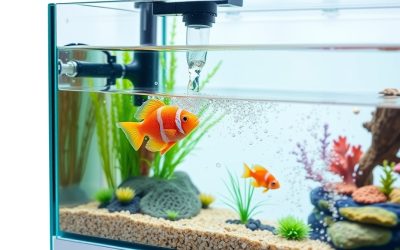
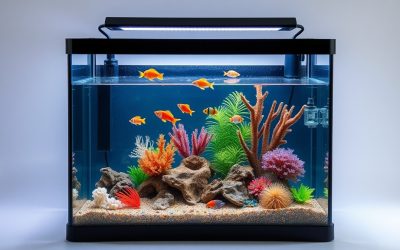
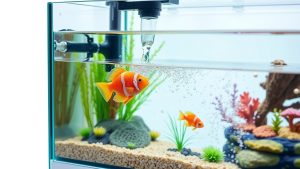
A 10 gallon aquarium is the classic entry point into the aquarium hobby — small enough to fit almost anywhere and affordable enough for virtually any budget, yet large enough to house a genuinely impressive community of small fish, shrimp, or a single betta in a beautifully aquascaped environment. Setting up a 10 gallon tank correctly from the start prevents the common beginner frustrations of cycling crashes, fish loss, and algae outbreaks that discourage many new hobbyists before they truly get started.
As an Amazon Associate we earn from qualifying purchases at no extra cost to you.



What to Look For
- Complete Starter Kits: For first-time aquarists, an all-in-one kit that bundles the tank, filter, and LED light eliminates compatibility guesswork and typically offers better value than purchasing components separately — verify that the included filter is appropriately sized for the stocking plan.
- Appropriate Stocking: A 10 gallon tank suits small schooling species (nano tetras, ember tetras, rasboras), a single betta, a shrimp colony, or a few dwarf corydoras — avoid the common mistake of overstocking based on fish's small size without accounting for the bioload they produce.
- Heater Sizing: A 10 gallon tank requires a 50–75 watt adjustable heater to maintain stable tropical temperatures; avoid non-adjustable preset heaters that cannot be fine-tuned to your specific tank's thermal characteristics.
Top Picks
Aqueon 10 Gallon LED Aquarium Starter Kit
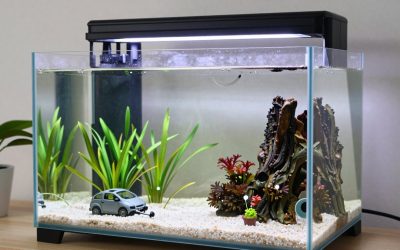
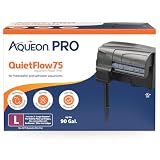
Aqueon's 10-gallon LED starter kit is one of the most popular and consistently well-reviewed entry-level aquarium packages available, bundling the glass tank, QuietFlow power filter, full-spectrum LED hood, fish net, fish food sample, water conditioner, and thermometer in a single box. The filter is appropriately sized for a lightly stocked 10-gallon community, and the LED hood provides clean, attractive lighting without the heat and energy cost of fluorescent alternatives.
Fluval E50 Advanced Electronic Heater
Fluval's E-series heaters are among the most precise and reliable aquarium heaters available, featuring dual temperature sensors, a real-time digital display, and auto-shutoff safety systems that prevent dangerous overheating. For a 10-gallon tank, the E50 model provides more than adequate heating capacity with precise 1°F temperature control — a worthwhile upgrade over the basic preset heaters included in most starter kits.
API Freshwater Master Test Kit
The API Freshwater Master Test Kit is the most-recommended water testing solution for aquarists at every level, providing liquid reagent tests for pH, ammonia, nitrite, and nitrate — the four most critical parameters to monitor during the nitrogen cycle and throughout ongoing tank maintenance. The 800-test kit provides years of testing capacity and delivers far more reliable results than paper strip tests at a comparable or lower cost per test.
Essential Equipment for a 10-Gallon Tank
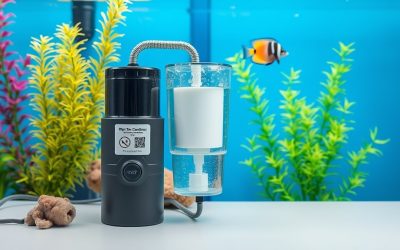
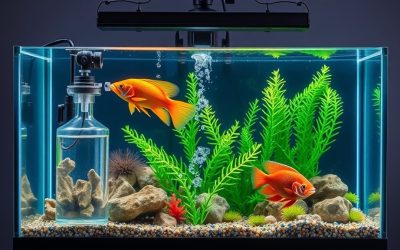
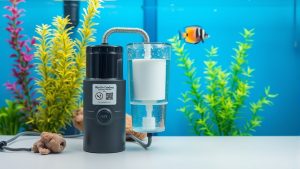
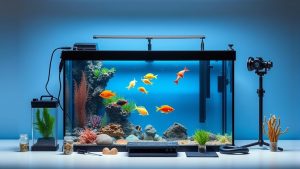
A 10-gallon aquarium is a favorite first tank because it is compact and affordable, yet large enough to hold reasonably stable water conditions when set up correctly. The core equipment list starts with a filter rated to circulate the water about four to six times per hour, which keeps the tank cycled and clean. A small adjustable heater is essential for tropical fish, paired with an accurate thermometer to confirm a steady temperature. Add appropriate lighting, a substrate of gravel or sand, and a secure lid to prevent jumping fish and reduce evaporation.
Beyond the hardware, a few supplies make ongoing care far easier. A dechlorinator treats tap water for safe water changes, a basic liquid test kit lets you monitor the nitrogen cycle, and a gravel vacuum simplifies cleaning. Setting up the tank fully and running it through a complete nitrogen cycle before adding fish is the single most important step for long-term success in a small tank, where water parameters can shift quickly.
Stocking a 10-Gallon Tank Wisely
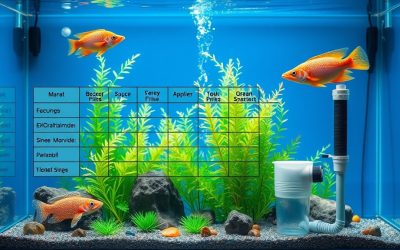
The most common beginner mistake is overstocking a 10-gallon tank, which quickly leads to poor water quality. This size suits small species rather than large or active fish. Good options include a single betta, small schooling fish like ember tetras or chili rasboras, a school of pygmy corydoras, dwarf shrimp, and snails.
- Think small: Choose compact species suited to a low-volume tank rather than fish that need more room.
- Understock for stability: Fewer fish keep water quality manageable and the tank more forgiving.
- Cycle before stocking: Complete the nitrogen cycle before adding any livestock.
Setting Up Your 10-Gallon Tank Step by Step
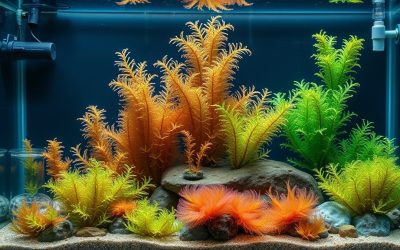
A smooth setup gives your 10-gallon tank the best start. Begin by rinsing the substrate and adding it to the empty tank, then install the heater and filter without switching them on until the tank is filled. Add dechlorinated water, position your decor and plants, and only then power up the equipment. The crucial final step is patience: run the tank through a full nitrogen cycle, testing the water until ammonia and nitrite read zero, before adding any fish. Seeding the filter with established media speeds this up. Taking the time to set up and cycle properly prevents the water quality crashes that derail so many first tanks.
Frequently Asked Questions
What equipment do I need for a 10-gallon tank?
The essentials are a filter rated for the tank, a small adjustable heater and thermometer for tropical fish, lighting, substrate, and a secure lid. A dechlorinator, test kit, and gravel vacuum round out the supplies for ongoing care.
How many fish can I keep in a 10-gallon tank?
Far fewer than many beginners expect, since a small volume degrades quickly when overstocked. Stick to small species and understock, for example a single betta or a modest school of tiny fish like ember tetras.
Do I need a heater for a 10-gallon tank?
Yes, if you keep tropical fish you need a heater to hold a stable temperature, usually around 75 to 80 degrees Fahrenheit. An accurate thermometer lets you confirm the heater is working properly.
What fish are good for a 10-gallon tank?
Small, peaceful species work best, such as a betta, ember tetras, chili rasboras, pygmy corydoras, dwarf shrimp, and snails. Avoid large, active, or messy fish that need more swimming room and produce more waste.
Do I have to cycle a 10-gallon tank before adding fish?
Yes, cycling is essential to build the beneficial bacteria that process toxic ammonia and nitrite. This is especially important in a small tank, where toxins concentrate quickly and parameters swing fast.
Final Thoughts
A 10 gallon aquarium set up with quality equipment and stocked thoughtfully is one of the most enjoyable and educational setups in the hobby — manageable enough to learn the fundamentals without feeling overwhelmed, and versatile enough to house beautiful, interesting livestock. Get the cycle right, stock lightly, and enjoy the process of building a thriving miniature ecosystem from scratch.
Related Reviews & Guides

20 Gallon Aquarium Setup Guide: Equipment, Stocking, and Tips
Nano Aquarium Setup Guide: Best Mini Tanks and Equipment