Last Updated: October 9, 2026
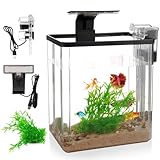
- Top Pick: AQUANEAT Fish Tank, 1 Gallon Betta Fish Tank, Small Aquarium Kit with LED Light and Water Filter Pump
- Best Value: GOLDFISH AS PET: Everything You Need to Know About Tank Setup, Nutrition, Health Care, Breeding, and Lifelong Success
- Premium Choice: DaToo 1 Gallon Mini Fish Bowl Kit Impact-Resistant Plastic Aquarium Starter Kits with USB Filtration System and Lighting for Betta Fish Tank Goldfish Bowl Tabletop or Desktop Display
🛒 Best Price Today on Amazon
Prime members get fast, free shipping on everything above, plus member-only deals. New members get a 30-day free trial — cancel anytime.
Start 30-Day Prime Free Trial →See Today’s Amazon DealsIntroduction
Goldfish are one of the most iconic aquarium fish in the world, but they are far more demanding than many beginners expect — they are heavy waste producers that require large, well-filtered tanks to thrive. A proper goldfish tank setup focuses on filtration power, space, and water quality above all else. Get these fundamentals right and your goldfish can live 15 years or longer.
As an Amazon Associate we earn from qualifying purchases at no extra cost to you.



What to Look For
- Tank Size: Plan for at least 20 gallons for the first single-tailed goldfish and 10 additional gallons per extra fish — fancy varieties like orandas and ryukins need even more space due to their less efficient swimming style.
- Filtration Capacity: Choose a filter rated for at least 2–3 times your tank volume per hour; goldfish produce enormous amounts of ammonia, and undersized filtration leads directly to poor health and shortened lifespans.
- Substrate Choice: Bare-bottom tanks or large, smooth river pebbles are safest — goldfish constantly root through substrate and can swallow fine gravel, causing dangerous internal blockages.
Top Picks
Marineland Penguin Power Filter
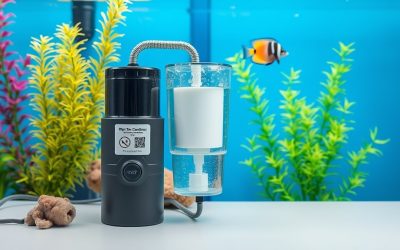
The Marineland Penguin series is a reliable hang-on-back filter with excellent biological and mechanical filtration capacity, available in sizes suitable for goldfish tanks up to 75 gallons. Its Bio-Wheel system promotes aerobic bacteria colonization, helping establish and maintain the nitrogen cycle even under the heavy bioload that goldfish produce. It is a trusted staple in the goldfish-keeping community for good reason.
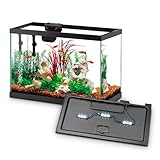
Tetra Complete LED Aquarium Kit
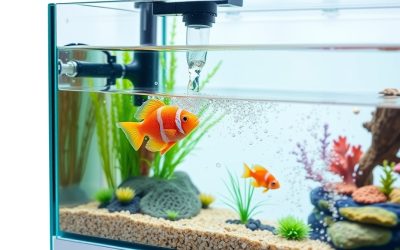
Tetra's complete kits bundle a tank, filter, heater, and LED lighting into one affordable package, removing the guesswork for new goldfish keepers. The included filter is adequate for startup, though upgrading to a larger unit as the fish grow is recommended. The bright LED hood showcases goldfish's metallic scales beautifully while keeping energy costs low.
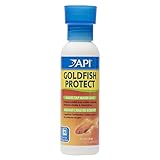
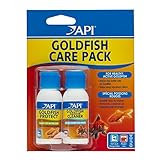
API Stress Coat Water Conditioner
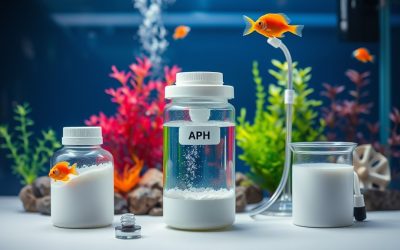
API Stress Coat neutralizes chlorine, chloramine, and heavy metals in tap water while also adding a synthetic slime coat that protects goldfish during water changes and handling. Goldfish are particularly sensitive to chlorine exposure, and using a quality conditioner at every water change is non-negotiable for maintaining long-term health. The concentrated formula means a small bottle goes a long way.
Goldfish Tank Size and Water Conditions
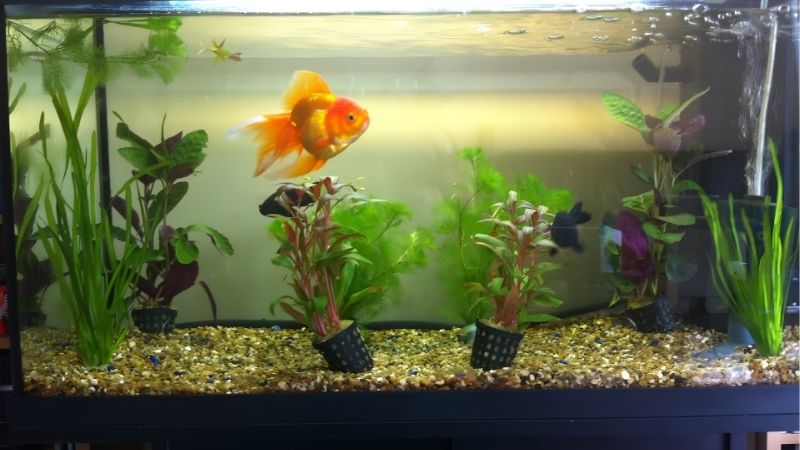
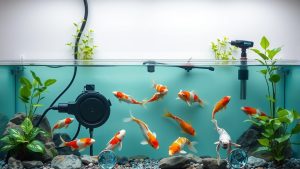
Goldfish are frequently underhoused, but they are large, long-lived, and messy fish that need far more space than a bowl. A single common or comet goldfish needs a sizable tank, often 30 gallons or more, since these varieties can exceed a foot and are strong swimmers; fancy goldfish stay smaller but still need around 20 gallons for the first fish plus additional volume for each tank mate. Goldfish produce a heavy bioload, so generous space and powerful filtration are essential to keep water quality high.
Unlike most tropical fish, goldfish are coldwater fish and generally do not need a heater, thriving in temperatures around 65 to 72F, with fancy varieties preferring the warmer end. They are hardy but still sensitive to ammonia and nitrate, so a fully cycled tank, strong filtration, and regular water changes are vital. Aim for a stable pH around 7.0 to 7.5 and moderate hardness. Because goldfish are coldwater and high-waste, a larger tank with extra filtration provides the stability they need to live their naturally long lives. Goldfish are also more active and social than many people realize, so a longer tank that gives them room to swim brings out their best behavior and coloration. Investing in the right setup from the start is far easier than correcting stunted growth or chronic health problems later on.
Feeding, Filtration, and Tank Care
Goldfish are omnivores that benefit from a varied diet of quality goldfish pellets, supplemented with vegetables and occasional protein. Sinking pellets are often preferable, since floating foods can cause fancy goldfish to gulp air and develop swim bladder issues, especially in round-bodied varieties. Feed small portions once or twice a day and remove uneaten food promptly, as overfeeding is a leading cause of both water-quality problems and digestive trouble in goldfish.
Because goldfish are such messy fish, filtration should be oversized relative to the tank, and regular maintenance is non-negotiable. Perform consistent partial water changes to control the nitrate that goldfish generate quickly. Choose decor carefully: avoid sharp ornaments that can tear the delicate fins and eyes of fancy varieties, and use smooth gravel or sand. Goldfish are social and active, enjoying the company of other goldfish of similar type and swimming ability. With a properly sized tank, strong filtration, a balanced diet, and steady maintenance, goldfish can live for many years and even decades. Establishing a simple weekly routine of testing water, changing a portion of it, and observing your fish keeps these hardy but waste-heavy fish thriving over the long term. With patience and proper care, goldfish often become surprisingly interactive, learning to recognize their keeper and gathering eagerly at feeding time.
Related Guides
- Fish Quarantine Tank Setup: The Complete Step-by-Step Guide
- Cloudy Aquarium Water: Causes, Fixes & Prevention Guide 2026
- Nano Aquarium Setup Guide: Best Mini Tanks and Equipment
Frequently Asked Questions
How big a tank do goldfish need?
Common and comet goldfish often need 30 gallons or more because they grow large, while fancy goldfish need around 20 gallons for the first fish plus extra for each additional one. Bowls are far too small for these high-waste fish.
Do goldfish need a heater?
Goldfish are coldwater fish and usually do not need a heater, thriving around 65 to 72F. Fancy varieties prefer the warmer end of that range and benefit from stable, draft-free conditions.
Why is my goldfish tank getting dirty so fast?
Goldfish produce a heavy bioload and are messy eaters, so water fouls quickly without strong filtration. Oversized filtration and regular partial water changes are essential to keep the water healthy.
What should I feed my goldfish?
Feed a varied diet of quality goldfish pellets plus vegetables and occasional protein. Sinking pellets help prevent the air-gulping that causes swim bladder problems in round-bodied fancy goldfish.
How long do goldfish live?
With proper care in a suitably sized, well-filtered tank, goldfish commonly live well over a decade, and some live far longer. Cramped, poorly maintained conditions are the main reason many goldfish die young.
Final Thoughts
Setting up a goldfish tank correctly from the start prevents the common beginner pitfalls of overcrowding and poor filtration that shorten these fish's lives dramatically. Prioritize a large tank, powerful filtration, and consistent water changes and you will be rewarded with healthy, long-lived goldfish for many years to come.
Related Reviews & Guides

Aquarium pH Guide: How to Safely Raise and Lower pH

Fish Tank Water Test Kit Guide