Last Updated: October 4, 2026
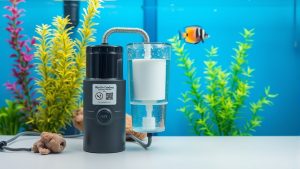
- Top Pick: AQUANEAT Fish Tank, 1 Gallon Betta Fish Tank, Small Aquarium Kit with LED Light and Water Filter Pump
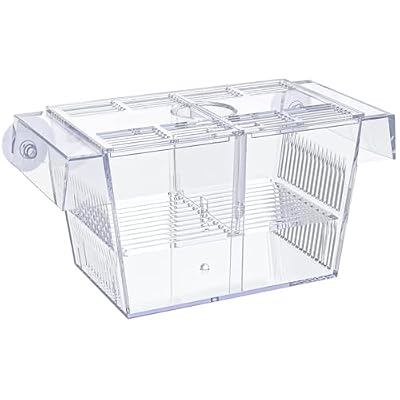
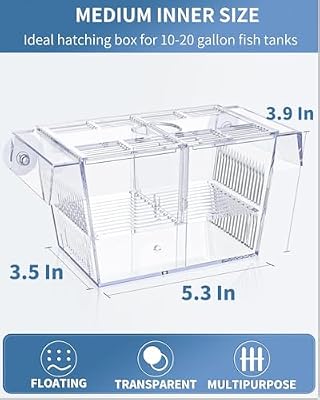
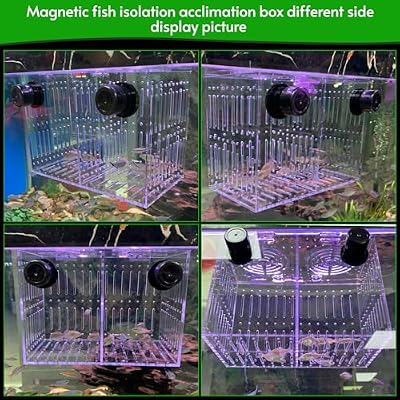
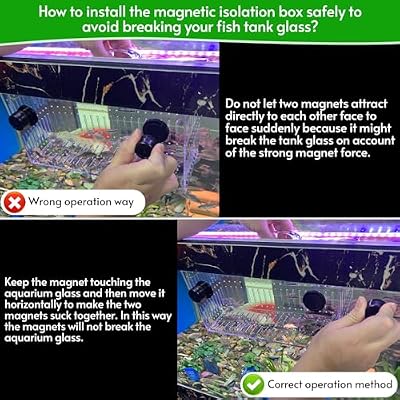
- Best Value: Magnet Acclimation Box for Saltwater Fish Quarantine Aquarium Isolation Box for Aquarium Fish Anemone Reef Coral
- Premium Choice: BaoZqua Triple-Chamber Fish Breeder Box for Fish Tank, Guppy Fry Nursery

Every experienced fishkeeper has a quarantine tank story — usually one that begins with “I skipped it just this once” and ends with a full display tank wiped out by ich, velvet, or bacterial infection. A dedicated quarantine tank isn’t optional equipment for serious hobbyists; it’s the single most effective disease-prevention tool available, and setting one up correctly costs far less than treating a full reef or community tank gone wrong. Here’s what actually works, based on detailed research and community consensus across freshwater and saltwater applications.
🛒 Best Price Today on Amazon
Prime members get fast, free shipping on everything above, plus member-only deals. New members get a 30-day free trial — cancel anytime.
As an Amazon Associate we earn from qualifying purchases.




Quick Picks
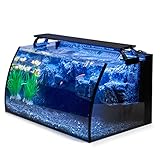
Coralife LED BioCube 16 Gallon Aquarium Kit
- Self-contained filtration and lighting
- Ideal 15–20 gallon quarantine size
- Easy breakdown and sterilization


As an Amazon Associate we earn from qualifying purchases. Product prices and availability are accurate as of the date/time indicated.
Aqueon 20 Gallon LED Aquarium Kit
- Versatile for fresh and saltwater QT use
- Reliable LED hood included
- Wide footprint for multiple fish


As an Amazon Associate we earn from qualifying purchases. Product prices and availability are accurate as of the date/time indicated.
Tetra 10 Gallon Aquarium Kit
- Compact and easy to store when not in use
- Good starter QT for small fish
- Includes filter, hood, and heater




As an Amazon Associate we earn from qualifying purchases. Product prices and availability are accurate as of the date/time indicated.
Why Trust Our Picks
Our recommendations are grounded in practical fishkeeping experience across freshwater community tanks, planted aquariums, and reef systems — as well as input from the broader aquarium hobby community on what actually works during treatment and observation periods. We’ve evaluated these setups for ease of medication dosing, ability to maintain stable parameters during treatment, and practical breakdown and sterilization after use.
Best Quarantine Tank Setups: In-Depth Reviews
1. Coralife LED BioCube 16 Gallon — Best Overall
The Coralife BioCube 16 is one of the most popular nano reef tanks on the market — and it makes an exceptionally capable quarantine tank for the same reasons it works well as a display: the self-contained filtration chamber (hidden in the rear) keeps the main display area clean and uncluttered, the LED lighting is adequate without being overwhelming for stressed fish, and the 16-gallon volume is large enough to house most common reef or community fish during a 4–6 week quarantine period without water quality crashing.
For quarantine purposes, the rear filter chamber can be packed with activated carbon and filter floss rather than a refugium setup — keeping it simple and easy to clean between uses. The tank’s compact footprint means it can live on a shelf or in a closet between quarantine cycles, and the glass construction tolerates the hydrogen peroxide and bleach wipes needed for sterilization between fish far better than acrylic alternatives.
- Pros: Ideal volume for most quarantine situations; integrated filtration hides equipment; glass tank sterilizes easily; LED lighting is fish-appropriate without stressing new arrivals; well-built for the price
- Cons: Higher upfront cost than bare-bones QT options; rear filtration chamber limits some medication dosing calculations; 16 gallons may be too small for large tangs or groupers
2. Aqueon 20 Gallon LED Aquarium Kit — Runner-Up
The Aqueon 20 gallon long is a workhorse quarantine tank — rectangular, spacious relative to its footprint, and compatible with an enormous range of aftermarket equipment. The included LED hood provides adequate lighting, and the kit’s filter can be swapped out for a sponge filter (the preferred filtration method for most QT applications, as sponge filters are easy to pre-seed in the main tank and won’t be disrupted by medication dosing).
The 20-gallon volume is a versatile sweet spot — large enough for most fish up to six or seven inches, but small enough that medication doses remain economical. Aqueon’s quality control is consistent, and the brand’s parts availability means heater and filter replacements are never difficult to find.
- Pros: 20-gallon long footprint gives fish adequate swimming space; compatible with all standard aftermarket equipment; durable glass construction; excellent value for a complete kit; widely available
- Cons: Included filter is less ideal for QT than a sponge filter (easy to swap, but adds cost); LED hood is basic — no color tuning; heavier and bulkier than BioCube for storage
3. Tetra 10 Gallon Aquarium Kit — Best Budget
For fishkeepers who primarily stock small species — tetras, danios, gobies, small wrasses — a 10-gallon quarantine tank is entirely sufficient and dramatically cheaper to medicate than larger setups. Tetra’s kit includes a basic hang-on-back filter, LED hood, and a small heater — everything needed to get a bare-bottom QT running within hours of receiving the package. The glass is standard aquarium quality, sterilization is straightforward, and the compact size fits under a bed or in a utility closet between uses.
The limitation is size — 10 gallons isn’t appropriate for fish over four inches, and water quality degrades faster in a smaller volume during the biological stress of treating sick or stressed fish. Plan on more frequent water changes (every 2–3 days during treatment) to compensate.
- Pros: Very affordable — low barrier to entry for new fishkeepers; compact and easy to store; adequate for small fish quarantine; medication costs significantly lower in 10 gallons vs. 20+
- Cons: Too small for larger fish; water quality degrades faster — demands more frequent changes; included equipment is basic-grade; not suitable as a long-term hospital tank for large specimens
4. Innovative Marine Nuvo Fusion 10 Gallon
Innovative Marine’s Nuvo Fusion series is positioned at the premium end of small-tank design — the build quality is noticeably superior to mass-market kits, with thick acrylic walls, a sophisticated rear filtration chamber, and magnetic return pump adjustment. As a quarantine tank for reef fish — clownfish, small wrasses, dottybacks — it’s genuinely excellent: stable, well-filtered, and compact enough to live permanently on a shelf as a dedicated QT without consuming significant space or electricity.
- Pros: Premium build quality; sophisticated integrated filtration; compact permanent footprint; magnetic return pump is reliable and quiet; excellent for reefers who want a permanent QT station
- Cons: Acrylic scratches more easily than glass — careful with bleach sterilization; expensive for a quarantine-only setup; 10-gallon volume limits fish size
5. Marina LED Aquarium Kit 20 Gallon
Marina’s 20-gallon kit is a perennial recommendation in beginner fishkeeping communities for good reason — it’s affordable, complete, and the included Slim S20 filter is genuinely quiet and efficient for its size. As a quarantine tank, it competes directly with the Aqueon 20 gallon at a slightly lower price point. The clip-on LED light is less impressive than Aqueon’s hood, but for a QT application where lighting is largely irrelevant to the fish’s health outcomes, this is a minor concern.
- Pros: Competitive pricing vs. Aqueon 20; included Slim filter is quiet and effective; complete kit with minimal additional purchases needed; 20-gallon volume suits most quarantine situations
- Cons: Clip-on LED is less practical than a full hood; filter cartridges are proprietary (ongoing cost); some quality consistency issues reported across batches
Buyer’s Guide: Setting Up an Effective Quarantine Tank
Bare Bottom Is Non-Negotiable — A QT tank should never have substrate. Bare glass is essential for several reasons: medications absorb into sand and gravel, making dosing calculations impossible; parasites like ich can complete their life cycle in substrate even during treatment; and a bare bottom is dramatically easier to clean and sterilize between uses.
Pre-Seeded Sponge Filter — The single most important piece of equipment in a QT tank is a sponge filter that has been pre-seeded with beneficial bacteria from your main display tank. Run the sponge in your sump or hang it in your display tank for at least two weeks before quarantine begins. This ensures instant biological filtration the moment a fish enters the QT — critical, because ammonia spikes in an uncycled QT tank can kill fish faster than the disease you were trying to treat.
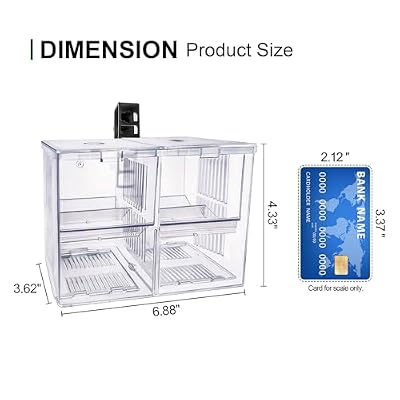
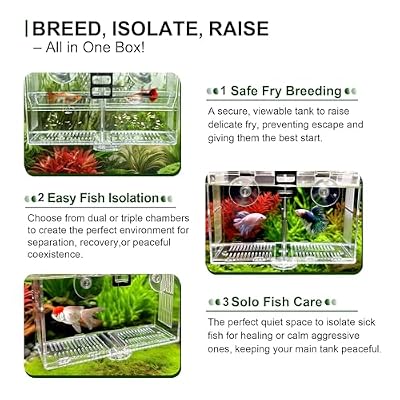
Minimal Decor, Maximum Hiding Spots — New arrivals are stressed; stress suppresses immune function and accelerates disease progression. Provide a few PVC pipe sections or plastic breeding boxes as hiding spots without adding anything that will absorb medication or be difficult to sterilize. Avoid live rock — it will crash biologically when exposed to copper or other treatments.
Heater Stability — Temperature fluctuations stress fish and accelerate pathogen reproduction. A reliable, calibrated heater (not the cheap included heater from most kits) is worth the upgrade. For reef fish, stable salinity and temperature at display-tank levels reduces acclimation stress significantly.
Frequently Asked Questions
How long should fish stay in quarantine?
The minimum recommended quarantine period is four weeks for most fish. Six weeks is considered gold standard in the reef hobby, as some parasites (particularly marine ich — Cryptocaryon irritans) require a full six-week display-tank fallow period to fully eradicate. Fish showing no symptoms should still complete the full quarantine period.
Can I use the same quarantine tank for freshwater and saltwater fish?
Yes — with thorough sterilization between uses. Rinse thoroughly with fresh water, then sterilize with a diluted bleach solution (1 part bleach to 19 parts water), rinse again exhaustively, and allow to air dry completely. This eliminates cross-contamination risk between freshwater and saltwater pathogens.
Do I need a heater in a quarantine tank?
Almost certainly yes. Most tropical fish require temperatures between 75–82°F (24–28°C), and temperature instability is a significant stressor that compromises immune response. A reliable, adjustable heater is one of the most important upgrades you can make to a budget quarantine kit.
What medications should I keep on hand for a quarantine tank?
Core medications for a freshwater QT include: Ich-X or API Super Ick Cure (ich treatment), Kanaplex (bacterial infections), and Paraguard (broad-spectrum preventive). For saltwater, copper-based treatments (Cupramine by Seachem is widely used) handle the most common marine parasites. Always have a copper test kit if using copper treatments.
Should I run a quarantine tank continuously or set it up as needed?
Both approaches work. A continuously running QT (with a fish-in cycle maintained by adding a small, hardy “indicator fish” between purchases) is more convenient — the tank is always ready. A break-down approach (storing the tank dry between uses) saves electricity and space but requires time to re-cycle the filtration before each use, unless you maintain a pre-seeded sponge filter in your main system.
Final Verdict
For most fishkeepers who want a capable, practical quarantine setup without overcomplicating it, the Coralife BioCube 16 delivers the best balance of volume, self-contained filtration, and build quality. The Aqueon 20 gallon is the better choice if you keep larger fish or want more medication dosing flexibility. And for beginners who haven’t quarantined before and just want to start the habit without a large investment, the Tetra 10 gallon kit gets the job done — imperfectly, but far better than no quarantine at all.
Related Reviews & Guides


Aquarium Water Conditioners: Comparison and Buying Guide (2026)
Aquaponics System for Beginners: How to Grow Fish and Plants Together