Last Updated: October 21, 2026
- Top Aquarium Water Conditioner Dechlorinator Explained Picks for 2026
- What Is a Water Conditioner?
- Chlorine vs Chloramine: Why It Matters
- Why Tap Water Needs Treating
- How to Dose Water Conditioner Correctly
- Conditioner vs Other “Water Safe” Products
- When You Do Not Need a Conditioner
- Frequently Asked Questions
- Related Articles
- Related Guides
🛒 Best Price Today on Amazon
Prime members get fast, free shipping on everything above, plus member-only deals. New members get a 30-day free trial — cancel anytime.
Top Aquarium Water Conditioner Dechlorinator Explained Picks for 2026
Here are our current top aquarium water conditioner dechlorinator explained picks, compared on real Amazon owner reviews, price, and features. Live prices update below.
As an Amazon Associate we earn from qualifying purchases at no extra cost to you.

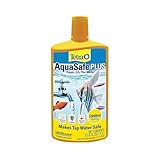


If you keep fish, you have almost certainly been told to add “water conditioner” or “dechlorinator” every time you fill the tank. But what does this small bottle actually do, why is it so important, and when can you skip it? Water conditioner is one of the cheapest and most essential products in the hobby, yet it is widely misunderstood. This guide explains exactly what dechlorinator does, why tap water needs treating, how to dose it correctly, and the few situations where you may not need it at all.
What Is a Water Conditioner?
A water conditioner, commonly called a dechlorinator, is a liquid additive that makes tap water safe for fish. Municipal water suppliers add disinfectants, primarily chlorine and chloramine, to kill bacteria and keep drinking water safe for humans. Those same chemicals are harmful to fish and to the beneficial bacteria that run your aquarium’s nitrogen cycle. A water conditioner neutralizes them instantly so the water becomes safe the moment it is treated.
Most modern conditioners do more than remove chlorine. Many also bind or detoxify heavy metals like copper that can leach from pipes, and a number of them temporarily detoxify ammonia, which is especially useful because breaking down chloramine releases ammonia. Protecting your beneficial bacteria is critical, which is why understanding the nitrogen cycle and new tank syndrome goes hand in hand with using conditioner correctly.
Chlorine vs Chloramine: Why It Matters
Not all tap water is treated the same way, and the difference affects how you dose. Chlorine is volatile and will gas off from standing water over time. Chloramine, a more stable combination of chlorine and ammonia, does not dissipate easily and persists in standing water for a long time. Many municipalities have switched to chloramine precisely because it lasts longer in the pipes.
This matters because the old advice to simply let tap water sit out overnight only works for plain chlorine, not chloramine. If your supplier uses chloramine, a proper conditioner is the only reliable way to make the water safe. When chloramine is broken apart, it releases ammonia, so a conditioner that also detoxifies ammonia gives an extra margin of safety. You can usually find out which disinfectant your area uses by checking your local water quality report.
Why Tap Water Needs Treating
Untreated tap water added straight to a tank causes two main problems. First, chlorine and chloramine damage fish gills, impairing their ability to breathe and causing stress, irritation, and in severe cases death. Second, these disinfectants kill the beneficial bacteria living in your filter and substrate. Wiping out that bacteria can stall or crash your nitrogen cycle, leading to dangerous ammonia and nitrite spikes.
This is exactly why conditioner is essential during routine water changes and especially when cleaning filter media. If you rinse filter media under untreated tap water, the chlorine can destroy the very bacteria you are trying to preserve, a mistake explained in the guide to cleaning a filter without killing beneficial bacteria. Always rinse media in dechlorinated or old tank water instead.
How to Dose Water Conditioner Correctly
Dosing is straightforward but worth doing carefully. Follow these principles:
- Read the label. Conditioners vary in concentration, so always dose by the manufacturer’s instructions for your specific product and tank volume.
- Treat the new water. When doing a water change, you can either treat the replacement water in a bucket before adding it, or dose the tank for the volume being replaced.
- Match the volume. Base the dose on the amount of new tap water you are adding, not always the entire tank, unless instructions say otherwise.
- A modest overdose is usually safe. Most conditioners have a wide safety margin, so a slight excess to be sure is generally fine, but avoid wildly overdosing.
- Add before or as you refill. Treat the water so chlorine is neutralized before it contacts your fish and filter.
Pairing proper conditioning with correct technique, such as temperature matching during a water change, keeps the whole process stress-free. The fundamentals of stable water chemistry also tie into the aquarium pH guide.
Conditioner vs Other “Water Safe” Products
The shelves are full of bottles with overlapping claims, which confuses beginners. Here is how the main categories differ:
| Product Type | What It Does | When to Use |
| Basic dechlorinator | Neutralizes chlorine and chloramine | Every water change with tap water |
| Full water conditioner | Removes chlorine/chloramine, binds heavy metals, often detoxifies ammonia | Most situations; preferred all-rounder |
| Beneficial bacteria starter | Adds nitrifying bacteria to help cycling | New tank setup or after a crash |
| Stress/slime coat additive | Supports the fish slime coat | Optional, after handling or illness |
For day-to-day fishkeeping, a quality all-in-one conditioner that handles chlorine, chloramine, and heavy metals covers almost every need. Bacteria starters are a separate category used mainly when establishing a tank, as covered in the complete fish tank setup guide and the 10 gallon aquarium setup guide.
When You Do Not Need a Conditioner
There are a few situations where conditioner is unnecessary. If you use reverse osmosis (RO) or RO/DI water, the purification process has already removed chlorine and chloramine, so no dechlorinator is needed for that water. Similarly, water from a private well without added disinfectants will not contain chlorine, though it may have other issues like high metals worth testing.
Aged water can lose plain chlorine if left to stand and aerate, but this method does not reliably remove chloramine, so it is not a safe substitute when your supply uses chloramine. When in doubt, condition the water; the cost is tiny and the protection is significant. For sensitive setups like shrimp tanks or specialized builds such as the betta fish tank setup, erring on the side of conditioning is always the safer choice.
Frequently Asked Questions
Do I need water conditioner for every water change?
If you use municipal tap water, yes. Chlorine and chloramine harm fish and beneficial bacteria, so treat the new water each time. You can skip it only with RO water or a confirmed chlorine-free source.
Can I just let tap water sit out instead of using conditioner?
Letting water sit removes plain chlorine over time but does not reliably remove chloramine, which many cities now use. A conditioner is the only dependable way to neutralize chloramine.
What happens if I add too much dechlorinator?
Most conditioners have a wide safety margin, so a modest overdose is generally harmless. Avoid extreme overdosing, but a little extra to be certain is usually fine.
Does water conditioner remove ammonia?
Basic dechlorinators only handle chlorine and chloramine. Many full conditioners also temporarily detoxify ammonia, which helps because breaking down chloramine releases ammonia. Check your product label.
Is dechlorinator the same as a water conditioner?
Dechlorinator is the core function of any water conditioner. “Water conditioner” often refers to products that do more, such as binding heavy metals and detoxifying ammonia, but both make tap water safe for fish.
55 Gallon Aquarium Dimensions Size Guide With Measurements (2026)

Quick Picks: Aquarium Air Stone Bubble Diffuser