Last Updated: October 4, 2026
- Top Pick: AQUANEAT Fish Tank, 1 Gallon Betta Fish Tank, Small Aquarium Kit with LED Light and Water Filter Pump
- Best Value: Tetra Complete 20 Gallon Fish Tank Kit for Freshwater & Saltwater Fish
- Premium Choice: Aqueon Aquarium Starter Kit with Smart Clean Filtration and LED Lighting, Freshwater and Saltwater Fish, Perfect for Tetras, Guppies, Platies, 10-Gallon
🛒 Best Price Today on Amazon
Prime members get fast, free shipping on everything above, plus member-only deals. New members get a 30-day free trial — cancel anytime.
Why Every Fishkeeper Needs a Quarantine Tank
A fish quarantine tank is one of the most valuable investments a fishkeeper can make, yet it remains one of the most commonly skipped steps in the hobby. New fish — regardless of how healthy they appear at the fish store — can carry parasites, bacterial infections, and viruses that will devastate an established display tank once introduced. A dedicated quarantine tank allows you to observe new arrivals, treat diseases before they spread, and acclimate fish to your water parameters and food without risk. Here is everything you need to set one up properly.
As an Amazon Associate we earn from qualifying purchases at no extra cost to you.





1. Quarantine Tank: 10-20 Gallon Bare Bottom Setup
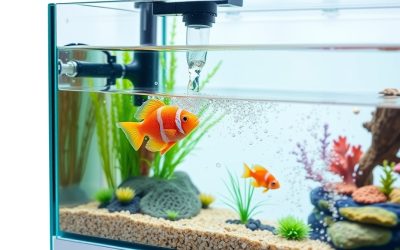
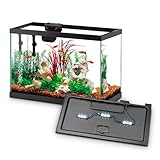
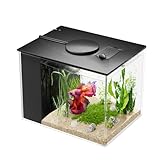
A 10-20 gallon bare bottom tank is the ideal quarantine setup for most freshwater and marine fish. The bare bottom makes it easy to spot fish waste, monitor fish health, and perform thorough cleaning between uses. A simple hang-on back power filter with cartridge media provides adequate filtration without housing beneficial bacteria that could be harmed by medications. PVC pipe fittings or small ceramic caves provide shelter to reduce stress in quarantined fish. Keep the setup simple — the goal is observation and treatment, not aesthetics.
2. Sponge Filter for Quarantine Tanks
A sponge filter powered by an air pump is the preferred filtration method for quarantine tanks. Unlike cartridge filters, sponge filters can be pre-seeded with beneficial bacteria from your main tank by placing them in your display tank filter for 2-4 weeks before use. When treatment with copper or antibiotics is required, sponge filters can simply be removed and rinsed — the bacteria are harmed by medications anyway in a treatment tank. Sponge filters are inexpensive, easy to clean, and provide both mechanical and biological filtration in a medication-compatible package.
3. Quarantine Tank Medication Kit
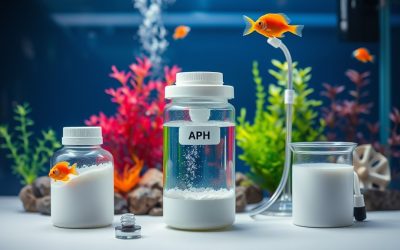
A well-stocked medication kit is essential for your quarantine setup. At minimum, keep on hand a broad-spectrum ich treatment (such as Ich-X), an antibiotic (such as Seachem Kanaplex or API Erythromycin), a general antiparasitic (such as PraziPro for flukes and internal parasites), and a quality water conditioner. For marine tanks, add a copper-based medication (such as Seachem Cupramine) and a copper test kit to maintain therapeutic levels. Having these medications on hand means you can begin treatment immediately rather than waiting days for shipping after a disease is identified.
Buying Guide: Setting Up Your Quarantine Tank
- Minimum quarantine period: Quarantine all new fish for a minimum of 4 weeks. Many parasites have life cycles of 3-4 weeks and will not present visible symptoms during their early stages.
- Water parameters: Match quarantine tank water parameters (temperature, salinity for marine) to your display tank to minimize transfer stress. Keep the quarantine tank cycled or use seeded sponge filter media.
- Sparse decoration: Provide only essential hiding spots (PVC pipe, ceramic cave) to minimize surfaces that could harbor parasites between uses and simplify cleaning.
- Heater and thermometer: A reliable heater and thermometer are essential. Temperature stability reduces stress and supports immune function in recovering fish.
- After treatment: Thoroughly clean and dry the quarantine tank between uses. Bleach the tank, equipment, and decor, then rinse and dechlorinate thoroughly before the next use.
Why a Quarantine Tank Protects Your Whole Aquarium
A quarantine tank is a separate, simple aquarium used to isolate new arrivals and sick fish before they enter or after they leave your main display. New fish frequently carry parasites, bacteria, or stress-related illnesses that may not show symptoms for days, and adding them directly to an established tank risks introducing disease to your entire collection. By holding new fish in quarantine for two to four weeks, you give problems time to surface where they can be treated without endangering healthy stock.
A quarantine tank also doubles as a hospital tank for treating sick fish. Medicating a main display can harm beneficial bacteria, invertebrates, and plants, and many treatments stain silicone and decor, so a bare dedicated tank is far better suited to treatment. The setup can be simple: a 10- to 20-gallon tank, a heater, a sponge filter, and a few PVC pipes or plants for hiding spots. Keeping it bare-bottomed makes cleaning and observation easy, which is exactly what you want when monitoring a fish’s health.
Setting Up and Running Quarantine Effectively
The key to a functional quarantine tank is a cycled biological filter. Many keepers keep a spare sponge filter running in their main tank at all times, so it is fully seeded with bacteria and ready to drop into the quarantine tank whenever needed. Match the temperature and water parameters to your main system to minimize stress on transferred fish, and monitor ammonia closely, since a small quarantine tank can foul quickly. Frequent partial water changes keep conditions stable during the observation period.
During quarantine, observe new fish daily for signs of illness such as spots, clamped fins, rapid breathing, or loss of appetite, and treat any problems before introducing the fish to your community. Some keepers run preventative treatments, but careful observation is the priority. Always use separate nets, siphons, and equipment for the quarantine tank, or disinfect tools between tanks, to avoid cross-contaminating your display. A modest investment in a quarantine setup can save you from losing an entire tank to a preventable outbreak, making it one of the smartest habits in the hobby.
Frequently Asked Questions
How long should I quarantine new fish?
A quarantine period of two to four weeks is standard, giving hidden illnesses time to appear before fish join your display. Longer observation is wise for fish prone to slow-developing diseases.
What size tank do I need for quarantine?
A 10- to 20-gallon tank works well for most fish, offering enough room while remaining easy to clean and treat. The exact size depends on the species and number of fish you keep.
Does a quarantine tank need a filter?
Yes, it needs a cycled biological filter, and a seeded sponge filter is ideal. Many keepers run a spare sponge in their main tank so it is ready to instantly cycle the quarantine tank.
Can I use my quarantine tank as a hospital tank?
Absolutely. A bare quarantine tank is perfect for medicating sick fish, since treatments can harm beneficial bacteria, invertebrates, and plants in a main display. It keeps medication away from your healthy stock.
Do I need separate equipment for a quarantine tank?
Yes. Use dedicated nets, siphons, and buckets for the quarantine tank, or thoroughly disinfect tools between tanks. This prevents cross-contaminating your main aquarium with pathogens.
Final Thoughts
A fish quarantine tank setup is the single most effective disease prevention measure available to fishkeepers. The cost of a basic 10-20 gallon quarantine setup is a fraction of the value of the fish and corals it protects in your display tank. Set it up before you bring home your next fish, stock a basic medication kit, and quarantine every new addition without exception — your display tank will thank you for it.
Related Reviews & Guides


How to Do an Aquarium Water Change Correctly (Step-by-Step)
Nano Aquarium Setup Guide: Best Mini Tanks and Equipment