Last Updated: October 21, 2026
Few experiences are as discouraging for a new aquarist as watching healthy-looking fish sicken and die within the first few weeks of setting up a tank. This pattern is so common it has a name: New Tank Syndrome. It is not a single disease but the predictable result of adding fish to an aquarium before the biological filtration is ready to keep the water safe. The good news is that New Tank Syndrome is almost entirely preventable once you understand what causes it. This guide focuses on the fish-loss angle: why new tanks kill fish, what symptoms to watch for, and exactly how to keep your fish alive through those critical first weeks.
As an Amazon Associate we earn from qualifying purchases at no extra cost to you.

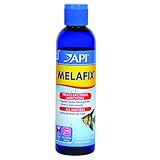


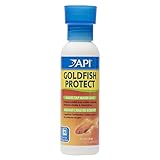

🛒 Best Price Today on Amazon
Prime members get fast, free shipping on everything above, plus member-only deals. New members get a 30-day free trial — cancel anytime.
What New Tank Syndrome Actually Is
Every aquarium relies on colonies of beneficial bacteria to convert fish waste into less harmful substances. In a brand-new tank, those bacteria have not yet established. When you add fish, they immediately begin producing ammonia through respiration, waste, and uneaten food. With no bacteria to process it, ammonia accumulates rapidly and becomes toxic.
As ammonia-consuming bacteria slowly appear, they convert ammonia into nitrite — which is also highly toxic to fish. Only later does a second group of bacteria arrive to convert nitrite into far less harmful nitrate. Until both bacterial colonies are fully established, your fish are swimming in water that can poison them. This entire maturation process is the aquarium nitrogen cycle, and New Tank Syndrome is simply what happens when fish are forced to live through it unprotected.
Why New Tanks Lose Fish: Ammonia and Nitrite Spikes
The two killers in a new tank are ammonia and nitrite. Both interfere with a fish’s ability to breathe and damage delicate gill tissue. Even low, sustained concentrations cause chronic stress that weakens the immune system, opening the door to secondary infections. Many fish that “mysteriously” die in week two or three were not killed by disease at all — they were poisoned.
Several factors make the spikes worse:
- Overstocking: Adding many fish at once produces more waste than emerging bacteria can handle. Our aquarium stocking density and bioload guide explains how to calculate a safe load.
- Overfeeding: Excess food decays and releases more ammonia.
- A tank that looks “ready”: Crystal-clear water tells you nothing about ammonia levels. Conversely, a bacterial bloom that clouds the water often appears during early cycling and is frequently mistaken for the cause of fish loss rather than a symptom of an immature tank.
Recognizing the Symptoms in Your Fish
New Tank Syndrome produces fairly consistent warning signs. Watch for:
- Gasping at the surface or rapid gill movement, as damaged gills struggle to absorb oxygen.
- Clamped fins held tight against the body, a classic stress posture.
- Lethargy — fish hovering near the bottom or hiding instead of exploring.
- Loss of appetite and faded coloration.
- Red or inflamed gills and streaks in the fins from ammonia and nitrite burn.
Because these symptoms overlap with several illnesses, beginners often reach for medications when the real problem is water chemistry. Before treating for disease, rule out a toxic water spike. Our fish disease diagnostic guide can help you separate poisoning from genuine infection.
Fishless Cycling vs Fish-In Cycling
There are two ways to establish your bacteria, and the choice has a huge impact on whether fish survive.
Fishless Cycling (Recommended)
With fishless cycling you add an ammonia source — bottled pure ammonia or a small amount of fish food — to a fish-free tank and let the bacterial colonies build over several weeks. You test the water until ammonia and nitrite both read zero and nitrate is present, which signals the tank is ready. No fish are ever exposed to toxic conditions. For a step-by-step walkthrough and product options, see our fish tank cycling guide.
Fish-In Cycling (Higher Risk)
Fish-in cycling means cycling the tank with fish already present. It is far riskier and demands daily testing plus frequent water changes to keep ammonia and nitrite near zero. If you must cycle with fish — for example, an impulse purchase that left you no time to prepare — the beginner cycling guide covers how to do it as safely as possible. Even then, choose only a few hardy fish and accept that some loss is possible.
How to Prevent New Tank Syndrome
Prevention comes down to a handful of disciplined habits:
- Cycle the tank first. The single most effective step is to fully cycle the aquarium before any fish arrive. A week of patience saves weeks of heartbreak.
- Test your water. You cannot manage what you cannot measure. A liquid test kit lets you track ammonia, nitrite, and nitrate so you know exactly when the tank is safe. Healthy parameters also depend on stable hardness — our guide to GH and KH explains why.
- Add fish slowly. Introduce just a few fish at a time and wait a week or two between additions so the bacteria can scale up to the growing bioload.
- Do not overfeed. Feed small amounts and remove anything uneaten.
- Change water when levels rise. If ammonia or nitrite climb during a fish-in cycle, a prompt partial water change dilutes the toxins immediately.
- Seed the tank. Filter media, gravel, or decorations from an established, healthy tank carry living bacteria that jump-start your cycle.
Choosing the right hardware helps too. A properly sized biological filter gives bacteria the surface area they need to colonize, as covered in our comparison of canister, HOB, and sponge filters.
Frequently Asked Questions
How long does it take for a new tank to become safe?
A fishless cycle typically takes four to six weeks, though seeding with established media can shorten it. The tank is only safe once ammonia and nitrite consistently read zero and nitrate is measurable.
Can water conditioner prevent New Tank Syndrome?
Dechlorinator is essential for removing chlorine and chloramine from tap water, and some products temporarily detoxify ammonia. However, no conditioner replaces a fully cycled biological filter. It is a safety net, not a substitute for cycling.
My water is clear, so my tank must be cycled, right?
No. Water clarity has nothing to do with ammonia and nitrite levels. Perfectly clear water can still be toxic. Only a test kit confirms whether the tank is truly cycled.
What should I do if my fish are already showing symptoms?
Perform an immediate partial water change of 25–50 percent with dechlorinated, temperature-matched water, stop feeding for a day or two, and test for ammonia and nitrite. Continue daily water changes until the readings stabilize.
Do live plants help prevent New Tank Syndrome?
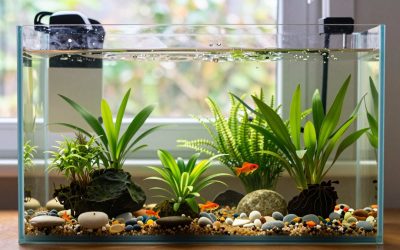
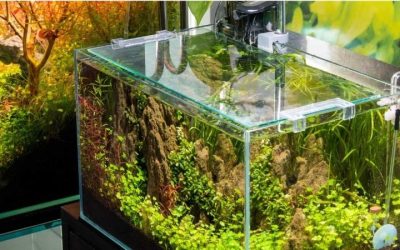
Yes. Live plants absorb some ammonia and nitrate directly, easing the load during cycling. A planted tank setup can make the first weeks gentler, though plants alone do not replace a fully established bacterial colony.
Why Are My Fish Dying? Common Causes and Solutions
Aquarium Electrical Safety: GFCIs, Drip Loops and Load