Last Updated: October 21, 2026
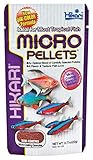
- Top Pick: Hikari Tropical Semi-Floating Micro Pellets Fish Food, 0.77 Oz (22g)
- Best Value: yizeril Floating Goldfish Food Pellets – 12oz Pond Fish Food Natural Color Enhancing, Promotes Growth with Natural Antarctic Krill & Spirulina, Clear Water Formula
- Premium Choice: Kaytee Koi's Choice Floating Fish Food for Koi, Goldfish & Pond Fish

TL;DR: Pellet protein source, protein percentage, size, and sinking vs. floating behavior matter more than price. This comparison breaks down what premium fish food pellets actually deliver vs. cheap filler-heavy options, with spec tables and tank-type recommendations so you stop guessing at feeding time.
Best Fish Food Pellet: Premium vs. Budget Comparison for Tropical, Cichlid & Community Tanks
Walk into any fish store and the pellet wall is overwhelming. Thirty SKUs, all claiming “complete nutrition.” The reality: most budget pellets are 40–50% wheat or corn filler, with fishmeal quality ranging from decent to rendered byproduct waste. For fish keeping their immune systems intact, growing properly, and showing full coloration, best fish food pellet choices come down to a few measurable criteria — not marketing copy.
As an Amazon Associate we earn from qualifying purchases.




Water quality underpins everything. Overfeeding any pellet, premium or not, spikes ammonia within hours. Before adjusting feeding schedules, make sure you have reliable temperature monitoring — the ZACRO digital thermometer is the fastest way to catch metabolic slowdowns that affect feeding rates.
🛒 Best Price Today on Amazon
Prime members get fast, free shipping on everything above, plus member-only deals. New members get a 30-day free trial — cancel anytime.
Start 30-Day Prime Free Trial →See Today’s Amazon DealsWhat Actually Differentiates Premium Pellets
Four variables separate quality pellets from filler-heavy alternatives:
- Protein source: Whole fish meal or named species (herring, salmon) vs. “fish by-products” or generic “fish meal” — digestibility differs significantly.
- Protein percentage: 40–50% for carnivores (cichlids, bettas, predatory species); 30–38% for omnivores; 28–35% for herbivores with higher vegetable inclusion.
- Pellet density: Sinking pellets reduce surface gulp behavior that leads to bloat in species like bettas and goldfish. Floating pellets suit top-dwellers and easy feeding monitoring.
- Binder type: Agar vs. starch binders — starch clouding water faster when pellets aren’t consumed promptly is the telltale sign of cheap binders.
Top Picks at a Glance

Petbank LCD Digital Aquarium Thermometer Fish Tank Water Terrarium Temperature

HITOP 600W Titanium Aquarium Heater: Digital Fish Tank Heater with External Controller, Submersible Aquarium Heater with Over-Temperature Protection for Saltwater and Freshwater 75-150Gallon

Fluval 207 Perfomance Canister Filter for Aquariums up to 45 Gallons | Aquarium Canister Filter
As an Amazon Associate we earn from qualifying purchases. Product prices and availability are accurate as of the date/time indicated.
Pellet Type by Fish Category
There is no single “best” pellet — it’s species-specific. Here’s how premium options map to common tank types:
| Fish Category | Protein Target | Pellet Behavior | Key Ingredients to Prioritize | Ingredients to Avoid |
|---|---|---|---|---|
| Betta | 45–50% | Floating or slow-sink | Salmon meal, krill, bloodworm | Wheat flour as first ingredient |
| Cichlid (African) | 42–48% | Slow-sink | Spirulina, herring meal, squid | High corn inclusion |
| Cichlid (South American) | 38–44% | Sinking | White fish meal, shrimp meal | Soy protein concentrate |
| Community tropical | 32–40% | Slow-float or mid-water | Mixed fish meal, vegetable matter | Artificial colour additives |
| Goldfish/Koi | 28–35% | Slow-floating | Wheat germ (in cool weather), spirulina | High crude protein in cold water |
| Discus | 45–52% | Sinking disc | Beef heart (processed), shrimp, spirulina | Unnamed “fish derivatives” |
| Herbivore / Pleco | 28–35% | Sinking wafer | Spirulina, zucchini powder, kelp | High animal protein as primary |
Label Reading: How to Spot Filler
Ingredients are listed by weight pre-processing. The first three ingredients tell you most of what you need to know:
- If grain (wheat, corn, rice) appears in positions 1 or 2, protein content is likely padded with plant protein — not bioavailable to most carnivorous species.
- “Fish meal” without species designation = inconsistent quality lot-to-lot.
- Ethoxyquin as a preservative is controversial; mixed tocopherols (vitamin E) is the cleaner alternative to look for.
- Guaranteed analysis: crude protein alone doesn’t distinguish fish protein from plant protein; amino acid profiles on premium brands’ sites tell the real story.
Feeding Frequency and the Nitrogen Cycle Connection
Every uneaten pellet is a nitrogen bomb. Premium pellets with agar binders stay intact 3–4x longer than starch-bound alternatives before leaching into water — this matters most in established planted tanks where detritus disrupts substrate chemistry. For newer tanks still cycling, follow our water test kit guide protocol: test ammonia 2 hours after feeding to calibrate how much food your biofilter can process per meal.
The one-to-two-minute rule: feed only what fish consume in 60–120 seconds. For slow eaters (discus, fancy goldfish), extend to 3 minutes but remove remainder. Small frequent feedings (2–3x daily in small amounts) produce healthier fish than one large feeding — growth studies consistently show this across cichlid and tetra species.
Temperature and Feeding Rate
Fish are ectotherms: metabolism — and thus appetite — scales directly with water temperature. At 75°F (24°C), most tropicals eat normally. Drop to 68°F (20°C) and metabolism slows 30–40%; cut feeding by the same margin or uneaten food rots. This is why stable heating matters as much as pellet quality. The top-ranked betta fish aquarium heater holds temperature within ±0.5°C on tanks up to 80 gallons — temperature swings are the hidden reason fish seem to “reject” good food.
Variety and Nutritional Rotation
Even the best pellet lacks some micronutrients found in live or frozen foods. A practical rotation for most community tanks:
- 5 days/week: Premium pellet as primary diet
- 1 day/week: Frozen bloodworm, daphnia, or brine shrimp (thawed, not freeze-dried — water content matters)
- 1 day/week: Fasting day — especially beneficial for bettas, goldfish, cichlids prone to bloat
For planted tank fish, the fasting day aligns with reduced CO2 injection if you’re running a system — see our Co2 Aquarium System Beginner Setup for why fish load affects CO2 demand calculations.
Frequently Asked Questions
What is the best fish food pellet for a community tank?
For mixed community tanks with tetras, rasboras, corydoras, and similar species, look for a slow-sinking micro pellet with 35–40% protein from named fish meal. Hikari Micro Pellets, Northfin Community Formula, and New Life Spectrum Small Fish consistently rank well on digestibility and water clarity. Avoid flake-dominant diets for tanks over 30 gallons — pellets provide more consistent nutrition than flakes, which degrade rapidly after opening.
Are expensive fish food pellets actually worth it?
Yes, with the caveat that “expensive” doesn’t automatically mean “better.” Premium pellets (Northfin, Hikari, New Life Spectrum) cost 2–3x budget options but produce measurably less water fouling, better coloration, and improved immune response under stress. The cost per feeding is small — a $20 bag fed properly to 10 fish lasts 2–3 months. The savings on disease treatment alone justify premium food.
Do pellets or flakes produce more waste in the aquarium?
Flakes generally produce more water-soluble waste faster because they fragment and disperse immediately. Pellets (especially agar-bound) stay intact longer, allowing fish to consume them more completely. In practical terms, switching from flake to quality pellet typically reduces dissolved organics and improves water clarity noticeably within 2–3 weeks.
How long do fish food pellets stay fresh after opening?
Most pellets are rated 12–18 months sealed; once opened, 3–6 months is the practical window before nutritional degradation and fat oxidation (rancidity) become significant. Store in a sealed container away from light and heat. Do not refrigerate — condensation cycles degrade pellets faster. Buy container sizes you’ll use within 3 months of opening.
Can I feed the same pellets to all my different fish species?
Only if they have overlapping nutritional needs. A community pellet works across most tropical omnivores. But dedicated carnivores (oscars, piranhas, large cichlids) need higher animal protein than community pellets provide. Herbivores (plecos, mbuna cichlids) need higher plant inclusion. Species-specific diets produce noticeably better health outcomes over 6+ month timescales compared to one-size-fits-all feeding.
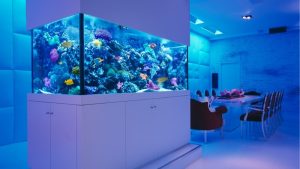
Best Aquarium For A Restaurant Display: Top Compared Expert
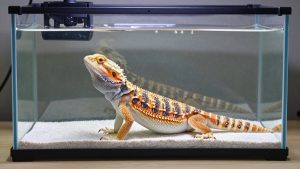
Best Bearded Dragon Tanks in 2026: Compared and Ranked