Last Updated: October 4, 2026
- Top Pick: API QUICK START Freshwater and Saltwater Aquarium Nitrifying Bacteria 4-Ounce Bottle
- Best Value: Fritz Fishless Fuel Ammonia Solution for Fishless Aquarium Cycling – 2 oz
- Premium Choice: MICROBE-LIFT Nite-Out II Aquarium Bacteria for Start-up, Instantly Cycle Aquariums, Add Fish on Day 1, Rapid Ammonia and Nitrite Reducer for Freshwater & Saltwater Fish Tank, 8 Ounces (NITEH08)
🛒 Best Price Today on Amazon
Prime members get fast, free shipping on everything above, plus member-only deals. New members get a 30-day free trial — cancel anytime.
Introduction
The nitrogen cycle is the biological process that transforms toxic fish waste into relatively harmless nitrate through the action of beneficial bacteria. Understanding and completing this cycle before adding fish is the single most critical step in setting up any aquarium — skipping it is the most common cause of "new tank syndrome" and the premature death of fish. This guide explains the process and covers the best products to accelerate and monitor your tank cycle.
As an Amazon Associate we earn from qualifying purchases at no extra cost to you.


What to Look For
- Cycling method: Fishless cycling (using ammonia drops or pure ammonia) is the most humane and controlled approach. Fish-in cycling is possible with extreme care and daily water changes but is stressful for the fish and not recommended. Bottled bacteria products can significantly shorten either method.
- Patience and testing: A full nitrogen cycle typically takes 4–8 weeks without bacterial supplements, or 1–2 weeks with quality bottled bacteria. Daily testing with a reliable liquid test kit is essential to track ammonia, nitrite, and nitrate levels throughout the process.
- Cycle completion signs: Your tank is fully cycled when ammonia and nitrite both read 0 ppm within 24 hours of adding a full dose of ammonia. Nitrate will be present and rising — perform a large water change to reduce it before adding fish.
Top Picks
Seachem Stability Bacterial Supplement
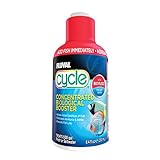
Seachem Stability is a bottled bacteria product that contains a proprietary blend of aerobic, anaerobic, and facultative bacteria capable of colonizing filter media rapidly. When used as directed — daily dosing for the first week — it dramatically reduces cycle time and prevents the ammonia and nitrite spikes that kill fish during tank establishment. It is safe for all aquatic life and highly stable even at room temperature storage.
Fritz Zyme 7 Nitrifying Bacteria
Fritz Zyme 7 is one of the most scientifically validated bacterial supplements in the hobby, containing live Nitrosomonas and Nitrospira bacteria — the exact organisms responsible for the nitrogen cycle. It works faster than most competitors and is particularly effective in tanks with established filter media as a seeding source. Many fish stores use Fritz Zyme as their go-to cycling product for display tanks.
API Freshwater Master Test Kit
You cannot cycle a tank without testing it — the API Freshwater Master Test Kit remains the definitive monitoring tool for tracking ammonia, nitrite, and nitrate through the cycling process. Its accuracy, affordability, and comprehensive coverage of all five key freshwater parameters make it indispensable for new tank setup. Buy this kit before anything else and use it daily throughout your cycle.
Understanding the Aquarium Nitrogen Cycle
The nitrogen cycle is the biological foundation of every healthy aquarium, the process by which beneficial bacteria convert toxic fish waste into less harmful compounds. It begins when fish waste, uneaten food, and decaying matter release ammonia, which is highly toxic to fish. One group of bacteria converts ammonia into nitrite, which is also toxic, and a second group converts nitrite into far less harmful nitrate. Until these bacterial colonies are established, a tank cannot safely support fish, which is why cycling a new aquarium is the most important first step in the hobby.
This cycle is why new tanks should never be stocked heavily right away. The beneficial bacteria live primarily on filter media, substrate, and surfaces throughout the tank, and they take time to multiply to the population needed to process a full bioload. Skipping the cycle leads to the classic new tank syndrome, where ammonia and nitrite spike and stress or kill fish. Patience during this stage pays off with a stable, resilient aquarium that can handle the waste its inhabitants produce.
How to Cycle a Tank Safely
There are two main approaches to cycling. A fishless cycle is the safest and most humane: you add an ammonia source, such as bottled ammonia or fish food, and let bacteria grow without any fish at risk. Using a test kit, you watch ammonia rise and fall, then nitrite rise and fall, and finally nitrate appear, which signals the cycle is complete. This process commonly takes several weeks, though seeding the tank with media or substrate from an established aquarium can speed it up considerably.
Bottled nitrifying bacteria supplements can jump-start the cycle by introducing the right bacteria directly. Throughout cycling, avoid changing filter media or over-cleaning, which removes the very bacteria you are cultivating. Once established, maintain the cycle by feeding moderately, not overstocking, and performing regular partial water changes to keep nitrate low, since the cycle does not remove nitrate, only converts toward it. Live plants and, in some setups, denitrifying processes help manage nitrate further. A properly cycled and maintained tank is the single biggest factor in long-term fishkeeping success.
Frequently Asked Questions
What is the aquarium nitrogen cycle?
It is the process where beneficial bacteria convert toxic ammonia from fish waste into nitrite and then into far less harmful nitrate. Establishing this cycle is essential before a tank can safely house fish.
How long does it take to cycle a new tank?
Cycling typically takes several weeks, though seeding the tank with media from an established aquarium or using bottled bacteria can shorten it. Test kits confirm completion when ammonia and nitrite read zero and nitrate appears.
What is a fishless cycle?
A fishless cycle grows beneficial bacteria using an ammonia source like bottled ammonia or fish food, with no fish at risk. It is the safest, most humane way to cycle a new tank.
How do I know when my tank is cycled?
Your tank is cycled when it can process ammonia and nitrite to zero and you see nitrate accumulating. Testing with a reliable kit is the only way to confirm the cycle is complete.
How do I keep nitrate low after cycling?
The cycle ends at nitrate, which builds up over time, so regular partial water changes are the main way to control it. Live plants, moderate feeding, and avoiding overstocking also help keep nitrate in check.
Final Thoughts
Completing the nitrogen cycle is not optional — it is the foundational step that determines whether your fish will thrive or die within their first weeks in the tank. Use a quality bacterial supplement to accelerate the process, test daily with a reliable kit, and resist the temptation to add fish before ammonia and nitrite reach zero. The patience invested in a proper cycle pays dividends in the health and longevity of every fish you keep.
Related Reviews & Guides


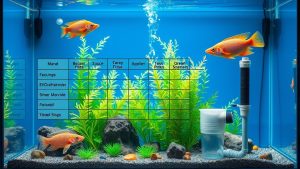
Aquarium Maintenance Schedule: Daily, Weekly, and Monthly Checklist

Quick Picks: Best Aquarium Sump Equipment at a Glance