Last Updated: October 4, 2026
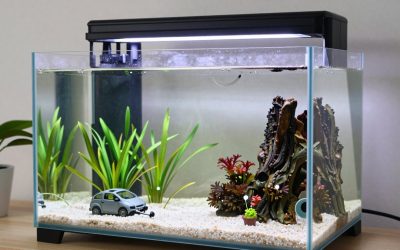
- Top Pick: NICREW 2.5 Gallon Nano Nature Aquarium Kit, Ultra-Clear Rimless Desktop Fish Tank with Light, Filter, Gravel and Rock, Perfect for Small Fish, Shrimp, or Betta, Complete Version, Black
- Best Value: AQUANEAT Fish Tank, 1 Gallon Betta Fish Tank, Small Aquarium Kit with LED Light and Water Filter Pump
- Premium Choice: Desktop Small Aquarium Set Glass Fish Tank 1.25 Gallon, with Water Pump Filter Bright LED Light Gravel Cleaning Tool, Starter Kit Small Space Easy Setup Space-Saving Design Betta Shrimp
🛒 Best Price Today on Amazon
Prime members get fast, free shipping on everything above, plus member-only deals. New members get a 30-day free trial — cancel anytime.
Nano Fish Tank: Big Impact in a Small Space
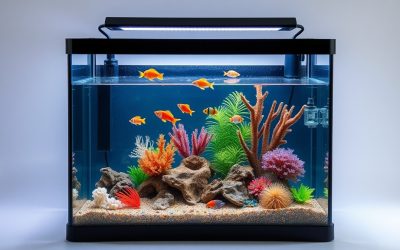
Nano aquariums—typically defined as tanks under 10 gallons—have exploded in popularity thanks to their space efficiency, lower maintenance footprint, and ability to create stunning aquascapes in a desktop-sized footprint. From lush planted nano tanks to minimalist betta setups, a well-designed nano aquarium can be more impressive than a much larger tank. The key is choosing equipment scaled appropriately for the volume. Here are the top products for building a thriving nano fish tank.
As an Amazon Associate we earn from qualifying purchases at no extra cost to you.


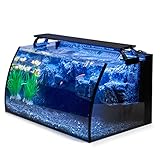


1. Fluval Spec III 2.6-Gallon Aquarium Kit
The Fluval Spec III is one of the most popular nano tank kits available, and for good reason. Its etched-glass construction and sleek design look premium on any desk or countertop. The built-in 3-stage filtration system is concealed in a side chamber, and the output nozzle creates a gentle circulation pattern ideal for bettas, shrimp, or nano fish like chili rasboras and pygmy corydoras. The included 7000K LED produces beautiful lighting for low-tech planted arrangements. It’s a complete kit requiring only a heater to be fish-ready.
2. Ultum Nature Systems 45C Rimless Tank
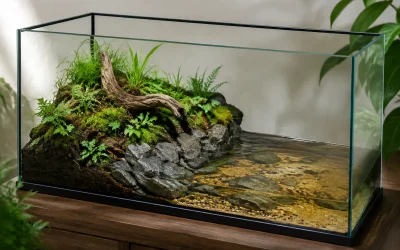
For aquascapers who want to build a custom nano planted tank, a high-clarity rimless glass tank like Ultum Nature Systems’ UNS 45C (7 gallons) provides the clear view and aesthetics that planted tank hobbyists demand. The low-iron Optiwhite glass eliminates the green tint of standard aquarium glass, making plant colors appear vivid and natural. The rimless, frameless design maximizes light penetration and allows an open-top “nature aquarium” style. Pair it with your choice of filter, light, and CO2 system.
3. Aquatop Recife ECO All-in-One Nano Reef Tank
If you want a nano tank with all-in-one filtration that doubles as a stylish display piece, the Aquatop Recife ECO series delivers. The integrated filter chamber handles mechanical, chemical, and biological filtration invisibly, with an adjustable return pump controlling flow. The included LED provides both white daylight and blue night modes. It’s available in 4, 8, and 14-gallon sizes—perfect for a single betta display or a small community of nano fish with live plants.
Nano Fish Tank Buying Guide
- Stocking density: Nano tanks have limited buffer capacity; stock lightly and cycle fully before adding fish.
- Species selection: Choose fish that stay under 1.5 inches (chili rasboras, nano tetras, pygmy corydoras) or a single betta.
- Heater: Nano heaters (25–50W) are sufficient; choose adjustable models for precise temperature control.
- Water changes: 20–30% twice weekly for nano tanks; small volumes fluctuate quickly.
- Plants: Live plants stabilize water chemistry and provide natural cover in nano setups.
- Evaporation: Nano tanks lose significant volume to evaporation; top off with dechlorinated water daily or every other day.
Choosing Equipment for a Nano Tank
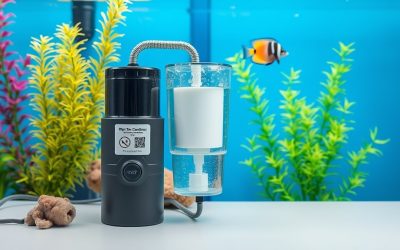
A nano aquarium, generally meaning a tank under about 10 gallons, packs a lot of charm into a small footprint, but small water volumes are less forgiving than large ones, so equipment choice matters. A gentle filter sized for nano tanks, such as a small sponge filter or a low-flow hang-on-back unit, provides biological filtration without creating a current that overwhelms small fish and shrimp. A compact, accurately sized heater keeps the temperature stable, which is especially important because small volumes heat and cool quickly. A reliable thermometer and a good light tuned to your livestock or plants complete the core kit.
Because water parameters shift faster in small tanks, stable, modest equipment beats powerful gear. Choose a heater matched to the tank’s volume, typically a low-wattage model, and a filter rated for nano use rather than a large unit throttled down. Live plants are a valuable addition that improve water quality and provide cover, and many low-light species like anubias, java fern, and mosses thrive in nano setups. The goal is a balanced, low-maintenance system where nothing is oversized for the space.
Stocking and Maintaining a Nano Aquarium
Stocking restraint is the most important rule in a nano tank, since the limited water volume means waste concentrates quickly. Suitable inhabitants include small schooling fish like chili rasboras and ember tetras, a single betta, shrimp such as cherry or amano, and small snails. Overstocking is the most common cause of nano-tank failure, so research adult sizes and bioload carefully and err toward fewer fish than you think the tank can hold. A single small species or a tidy shrimp colony often makes the most stable and attractive nano display.
Maintenance is simple but must be consistent. Frequent small water changes, often around 20 to 25 percent weekly, keep nitrate low and parameters stable in the small volume. Feed sparingly, because excess food breaks down fast in a nano tank and quickly degrades water quality. Always cycle the tank fully before adding livestock, and add new inhabitants gradually rather than all at once to avoid overwhelming the young biological filter. With light stocking, gentle equipment, and steady upkeep, a nano tank can be just as healthy and rewarding as a much larger aquarium.
Related Guides
- Nano Aquarium Setup Guide
- Aquarium Algae Types: How to Identify and Control Every Kind
- Fish Quarantine Tank Setup: Complete Beginner Guide
Frequently Asked Questions
What counts as a nano aquarium?
A nano aquarium is generally a tank under about 10 gallons. The small volume creates a beautiful compact display but requires careful stocking and consistent maintenance to stay stable.
What fish are best for a nano tank?
Small species like chili rasboras, ember tetras, a single betta, and shrimp such as cherry or amano suit nano tanks well. Their small size and low bioload match the limited water volume.
Do nano tanks need a heater and filter?
Yes. A correctly sized low-wattage heater keeps the temperature stable, and a gentle nano-rated filter provides biological filtration. Small volumes change fast, so stable, appropriately sized equipment is important.
How often should I do water changes in a nano tank?
Small, frequent water changes of around 20 to 25 percent weekly work well. The small volume means waste concentrates quickly, so consistent changes keep parameters stable.
Why is overstocking such a problem in nano tanks?
Limited water volume means waste and toxins build up rapidly, so even a few extra fish can destabilize the tank. Light stocking is the single biggest factor in a healthy nano aquarium.
Final Thoughts
Nano fish tanks are one of the most creative and rewarding formats in the aquarium hobby. Whether you want a serene desktop betta tank or a lush planted aquascape, the right equipment transforms a small glass box into a captivating living display. Start with a quality all-in-one kit, keep stocking conservative, and enjoy the uniquely intimate scale that nano aquariums provide.
Related Reviews & Guides

Ich Fish Disease Treatment Guide

Nano Aquarium Setup Guide