Last Updated: October 21, 2026
One of the most overlooked tools in fishkeeping is also one of the most powerful: the quarantine tank. Also called a hospital tank, a quarantine tank is a simple, separate aquarium used to isolate new fish, observe them for disease, and treat sick fish away from your main display. Setting one up costs little and takes minimal space, yet it can save your entire collection from a devastating outbreak. This guide explains why quarantine matters, how to set up a hospital tank, and how to use it correctly.
🛒 Best Price Today on Amazon
Prime members get fast, free shipping on everything above, plus member-only deals. New members get a 30-day free trial — cancel anytime.
Why You Need a Quarantine Tank
Every fish you buy, no matter how reputable the source, can carry parasites, bacteria, or viruses that are not yet visible. New fish are also stressed from shipping and handling, which weakens their immune systems and can trigger latent infections. If you add them straight into your main tank, you risk introducing disease to every fish you already own.
A quarantine tank solves this by giving new arrivals a safe, isolated space where you can watch them for two to four weeks before they ever touch your display. The benefits are clear:
- Prevents disease introduction to your established, healthy fish
- Lets new fish recover from shipping stress in a calm, low-competition environment
- Makes treatment easier, since medicating one small bare tank is simpler than dosing a large planted display
- Protects beneficial invertebrates in your main tank from medications that could harm them
Quarantine is the single most effective habit for avoiding the kind of outbreaks covered in our fish disease diagnostic guide.
Setting Up a Hospital Tank
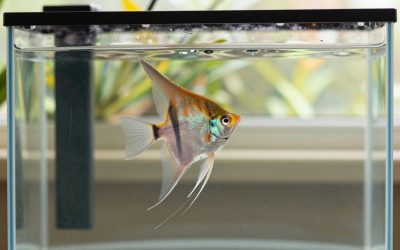
A quarantine tank is deliberately simple. You do not need a fancy aquascape, just clean water and the essentials. A 10 to 20 gallon tank is a practical size for most home aquariums; see our 10 gallon and 20 gallon setup guides for the basics.
| Component | Recommendation |
|---|---|
| Substrate | Bare bottom (easier to clean and disinfect) |
| Filter | Sponge filter (gentle, medication-safe) |
| Heater | Reliable heater matched to species |
| Decor | A few simple hiding spots (PVC, silk plant) |
| Lid | Secure cover to prevent jumping |
A bare-bottom tank is preferred because there is no substrate to trap waste, parasites, or medication, and it can be wiped clean between uses. A sponge filter is ideal: it provides biological filtration and gentle flow without the carbon found in many cartridges, which would strip medication out of the water. Learn why sponge filters shine in our filter comparison guide. A heater keeps the temperature stable; our aquarium heater guide helps you pick the right one.
Keeping the Filter Cycled
A quarantine tank still needs biological filtration to keep ammonia and nitrite at zero, just like any aquarium. The classic trick is to keep the sponge filter running in your main tank (or its sump) at all times, so the sponge stays colonized with beneficial bacteria. When you need the quarantine tank, you simply move the already-cycled sponge over, giving you instant filtration.
If you do not keep a pre-cycled sponge ready, you will need to monitor water closely and perform frequent water changes to avoid new tank syndrome. Test water daily during quarantine using a kit from our water testing guide. To understand the bacteria you are protecting, review our nitrogen cycle guide.
How to Quarantine New Fish
When you bring home new fish, follow a consistent routine:
- Acclimate the fish to the quarantine tank gently, as described in our acclimation guide.
- Observe for 2 to 4 weeks, watching for signs of disease such as spots, clamped fins, rapid breathing, flashing, or loss of appetite.
- Keep stress low with stable parameters, gentle lighting, and hiding spots.
- Treat only if needed, rather than dosing medication preventively without a clear reason.
- Disinfect equipment like nets and buckets so they are not shared with your main tank.
Only move fish to the display once they have remained healthy for the full quarantine period. Use a dedicated net for the quarantine tank; see our fish net guide for choosing the right tools.
Treating Sick Fish
The same tank doubles as a hospital when a fish in your main display falls ill. Moving the patient to a bare quarantine tank lets you medicate precisely without exposing healthy fish, plants, or invertebrates to drugs. Remember that activated carbon and many chemical filter media remove medication, so run only a sponge filter during treatment and remove carbon.
Follow medication dosing instructions carefully, and be cautious with scaleless fish and invertebrates, which are more sensitive to certain treatments. Maintain water quality with partial water changes between doses as directed. For prevention strategies that reduce how often you need the hospital tank at all, see our disease prevention guide.
Common Quarantine Mistakes to Avoid
A quarantine tank only works if it is used correctly. Many keepers set one up and then undermine it with avoidable errors. Watch out for these common mistakes:
- Cross-contaminating equipment. Sharing nets, siphons, or buckets between the quarantine tank and your display can carry pathogens straight to your healthy fish. Keep a dedicated set of tools for the hospital tank, or disinfect thoroughly between uses.
- Skipping the cycle. A quarantine tank still needs biological filtration. An uncycled tank lets ammonia spike and stress already-fragile new fish, so always run a pre-cycled sponge filter or monitor and water-change diligently.
- Ending quarantine too early. Many diseases have an incubation period. Moving fish to the display after only a few days defeats the purpose, so commit to the full two to four week observation window.
- Medicating blindly. Dosing every new fish with a cocktail of medications “just in case” can do more harm than good. Observe first and treat only specific, identified problems.
- Overcrowding. Cramming many fish into a small hospital tank raises stress and waste. Quarantine reasonable numbers at a time so water quality stays manageable.
Treat the quarantine tank as a routine part of every fish purchase, not an afterthought. Combined with slow acclimation and good general disease prevention habits, a properly used hospital tank is the strongest insurance policy your aquarium can have.
Top-Rated Picks
As an Amazon Associate we earn from qualifying purchases at no extra cost to you.





| Product | Brand |
|---|---|
| API STRESS COAT Aquarium Water Conditioner 16-Ounce B… | API |
| Quick & Clean [6-Pack] Keurig Cleaning Pods – K Cup C… | QuickClean |
| API FRESHWATER MASTER TEST KIT 800-Test Freshwater Aq… | API |
| Tetra Whisper Bio-Bag Large Filter Cartridges for Aqu… | Tetra |
| Tetra Whisper Bio-Bag Medium Filter Cartridges for Aq… | Tetra |
Frequently Asked Questions
How long should I quarantine new fish?
A two to four week quarantine period is the standard recommendation. This gives enough time for many common diseases to appear and for the fish to recover from shipping stress before joining your main tank.
Do I need substrate in a quarantine tank?
No. A bare-bottom tank is preferred because it is easy to clean and disinfect, does not trap waste or parasites, and does not absorb medication. Simplicity is the goal in a hospital tank.
Why use a sponge filter for quarantine?
Sponge filters provide gentle biological filtration without activated carbon, which would otherwise remove medication from the water. They are also easy to keep pre-cycled in your main tank so they are ready whenever you need them.
Can I treat sick fish in my main tank instead?
It is usually better not to. Medicating a main display can harm beneficial bacteria, plants, and invertebrates, and dosing a large tank is wasteful and imprecise. A dedicated hospital tank isolates the patient and the medication.
Does a quarantine tank need a heater?
Yes. Stable temperature is just as important in quarantine as in your display, and some treatments work best at specific temperatures. Match the heater to the species you are keeping.

Discus Fish Tank Setup: Complete Equipment Guide 2026
Angelfish Tank Size: Minimum Gallons for One, a Pair and a Group