Last Updated: October 4, 2026
- Top Pick: Kordon Methylene Blue Disease Preventative – Safe for Freshwater & Saltwater Aquariums, Prevents Fungal Infections & Treats Parasites, Reduces Fish Stress, 4-Ounces
- Best Value: API TAP WATER CONDITIONER Aquarium Water Conditioner 16-Ounce Bottle
- Premium Choice: Tetra No More Algae Tablets for Aquariums, 8 Count
🛒 Best Price Today on Amazon
Prime members get fast, free shipping on everything above, plus member-only deals. New members get a 30-day free trial — cancel anytime.
Introduction
Preventing disease in an aquarium is far less stressful and costly than treating an outbreak after it occurs — the best fish health strategy is built on stable water quality, a proper quarantine protocol, and the right preventative products used consistently. Most common aquarium diseases like ich, fin rot, and velvet are stress-related, meaning that a well-maintained tank with good water parameters is itself the most powerful disease prevention tool available. Supplement that foundation with targeted products and you will rarely need to reach for medication.
As an Amazon Associate we earn from qualifying purchases at no extra cost to you.




What to Look For
- Quarantine Protocol: Every new fish or plant should spend 2–4 weeks in a separate quarantine tank before entering the main display — this single practice eliminates the majority of disease introductions and is non-negotiable in multi-fish systems.
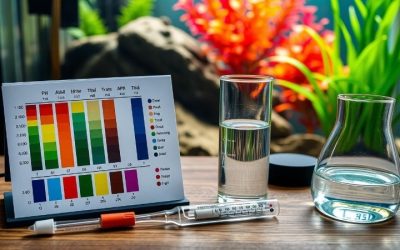
- Water Quality Maintenance: Ammonia and nitrite spikes are the primary triggers for disease outbreaks; invest in a reliable liquid test kit and perform regular partial water changes to maintain consistently clean, stable water parameters.
- Stress Reduction: Proper stocking density, adequate hiding places, stable temperature, and appropriate tank mates all reduce fish stress — and reduced stress means dramatically stronger immune systems and disease resistance across all species.
Top Picks
Seachem StressGuard Premium Slime Coat Protection
Seachem StressGuard is an advanced slime coat conditioner that repairs and protects the protective mucus layer on fish's bodies, which is their primary physical defense against pathogens and parasites. Use it during water changes, after handling, and when introducing new fish to significantly reduce the risk of opportunistic infections taking hold during stress periods. It also detoxifies ammonia, providing dual protection for vulnerable fish.
API Aquarium Salt
API Aquarium Salt is a time-tested, natural preventative that improves gill function, reduces osmotic stress, and provides a mild protective effect against bacterial and fungal infection in freshwater fish. Adding a measured dose during water changes or when fish show early signs of stress can often prevent minor issues from developing into full outbreaks, and it is safe for most freshwater fish and plants when used at the recommended preventative dosage.
Tetra Lifeguard All-In-One Treatment
Tetra Lifeguard is a broad-spectrum preventative and early-stage treatment tablet that targets bacteria, fungi, external parasites, and ich simultaneously without harming biological filtration. It is ideal for use during the quarantine period with new fish or at the first sign of unusual behavior or minor physical symptoms — catching issues in their earliest stages dramatically improves treatment success rates and prevents tank-wide outbreaks.
Building a Strong Disease-Prevention Routine
The best way to deal with fish disease is to prevent it, and prevention starts with stable, high-quality water. The majority of common fish illnesses are triggered by stress from poor water conditions, fluctuating temperature, or an uncycled tank, which weaken a fish’s immune system and let opportunistic pathogens take hold. Keeping ammonia and nitrite at zero, nitrate low through regular water changes, and temperature steady does more to keep fish healthy than any medication. A clean, well-maintained tank is your single most powerful preventive tool.
Quarantining new arrivals is the other cornerstone of prevention. New fish, plants, snails, and even shrimp can carry parasites and bacteria that may not be visible at purchase, so holding new livestock in a separate quarantine tank for two to four weeks lets problems surface before they reach your main display. This simple habit prevents the most common way diseases enter an established aquarium, an outbreak that can otherwise wipe out an entire community before you realize anything is wrong. Taking the time to source healthy fish from a reputable seller, and inspecting them for clear eyes, intact fins, and active behavior before purchase, further reduces the risk of importing problems.
Reducing Stress and Supporting Fish Health
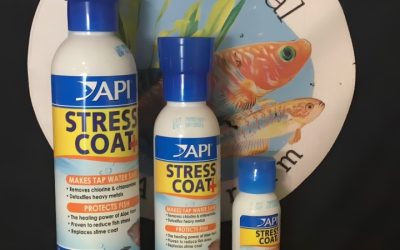
Beyond water quality and quarantine, reducing stress keeps a fish’s natural defenses strong. Avoid overcrowding, which raises waste and tension, and choose compatible tank mates so fish are not constantly harassed. Provide hiding spots and a stable environment, and acclimate new fish slowly to prevent the shock of sudden parameter changes. A varied, high-quality diet supports immune health, while slime-coat protectants can help during stressful events like transport or netting by reinforcing the fish’s natural protective barrier.
Good observation is a key part of prevention. Watching your fish daily lets you spot early warning signs, such as clamped fins, faded color, rapid breathing, or loss of appetite, while problems are still easy to address. When adding anything to the tank, handle it carefully to avoid introducing contaminants, and disinfect or dedicate equipment to prevent cross-contamination between tanks. Aquarium salt and conditioner can support fish during minor stress, but they are aids, not substitutes for good husbandry. Consistent, attentive care keeps fish resilient and makes serious disease outbreaks rare. Building these habits into a simple weekly routine, water testing, partial changes, and a careful look at every fish, turns disease prevention into an effortless part of normal tank care.
Frequently Asked Questions
What is the best way to prevent fish disease?
Maintaining stable, high-quality water is the most effective prevention, since most illnesses are triggered by stress from poor conditions. A fully cycled tank, regular water changes, and steady temperature keep fish resilient.
Should I quarantine new fish?
Yes. Quarantining new fish, plants, and invertebrates for two to four weeks lets hidden illnesses appear before they reach your main tank. It is the best defense against introducing disease to an established aquarium.
How does stress cause fish disease?
Stress from poor water, overcrowding, or aggression weakens a fish’s immune system, allowing opportunistic pathogens to take hold. Reducing stress through good husbandry keeps fish’s natural defenses strong.
Can aquarium salt help prevent disease?
Aquarium salt and slime-coat protectants can support fish during minor stress and reinforce their protective barrier. They are helpful aids but not a substitute for clean water and good overall care.
How do I spot illness early?
Observe your fish daily for warning signs like clamped fins, faded color, rapid breathing, or loss of appetite. Catching these early, while problems are still minor, greatly improves the chances of recovery.
Final Thoughts
A proactive approach to fish disease prevention — clean water, rigorous quarantine, and targeted preventative products — will keep your aquarium healthy and disease-free far more reliably than any reactive treatment regimen. Build these habits from the start of your fish-keeping journey and your tanks will reward you with vibrant, long-lived fish that rarely require medical intervention.
Related Reviews & Guides


African Cichlid Tank Setup: How It Works and What to Watch
6 Best Hexagonal Fish Tank Stands 2026