Last Updated: October 21, 2026
Even well-kept aquariums occasionally face disease, and having the right treatment on hand can mean the difference between a quick recovery and losing fish. The challenge is matching the medication to the actual problem: parasites, bacterial infections, and fungal outbreaks each call for different remedies, and dosing the wrong one wastes time while your fish gets sicker. This guide covers five trusted fish disease treatments that address the most common ailments, from the white spots of ich to fin rot and cottony fungus. We explain what each product targets, how to use it safely, and why a hospital tank usually beats medicating your display. Use it to build a sensible aquarium medicine cabinet and to act fast when symptoms appear.
Always follow each product’s instructions, and consult an aquatic vet for serious or persistent illness.

API LIQUID SUPER ICK CURE Freshwater and Saltwater Fish Medication Bottle, 1.7 oz (12A)
Included for '5 Best Fish Disease Treatments and Medications: A Complete Buyer’s Guide' as a representative aquarium product in this roundup; selection reflects the product set returned for this topic.
View on Amazon
API MELAFIX Freshwater Fish Bacterial Infection Remedy 16-Ounce Bottle
Included for '5 Best Fish Disease Treatments and Medications: A Complete Buyer’s Guide' as a representative aquarium product in this roundup; selection reflects the product set returned for this topic.
View on Amazon
API FIN & BODY CURE Freshwater Fish Powder Medication 10-Count Box
Included for '5 Best Fish Disease Treatments and Medications: A Complete Buyer’s Guide' as a representative aquarium product in this roundup; selection reflects the product set returned for this topic.
View on Amazon
API Liquid Super ICK Cure Freshwater and Saltwater Fish Medication 16-Ounce Bottle
Included for '5 Best Fish Disease Treatments and Medications: A Complete Buyer’s Guide' as a representative aquarium product in this roundup; selection reflects the product set returned for this topic.
View on Amazon
Aquarium Pharmaceuticals 93B Bettafix Remedy, 1.7 oz.
Included for '5 Best Fish Disease Treatments and Medications: A Complete Buyer’s Guide' as a representative aquarium product in this roundup; selection reflects the product set returned for this topic.
View on Amazon
Seachem MetroPlex Metronidazole Parasite Bacteria SALTWATER FRESHWATER Aquarium
Included for '5 Best Fish Disease Treatments and Medications: A Complete Buyer’s Guide' as a representative aquarium product in this roundup; selection reflects the product set returned for this topic.
View on Amazon
MICROBE-LIFT ART08 Artemiss Immune Booster and Disease Treatment for Fish Health in Freshwater and Saltwater Aquariums, 8 Fl Oz
Included for '5 Best Fish Disease Treatments and Medications: A Complete Buyer’s Guide' as a representative aquarium product in this roundup; selection reflects the product set returned for this topic.
View on AmazonTop Picks Reviewed
1. API General Cure Freshwater & Saltwater Powder Medication
API General Cure is a powder medication that targets a broad range of parasitic problems, including gill and skin flukes and symptoms the maker associates with internal parasites. It comes in pre-measured packets for easy dosing in fresh or saltwater, and the manufacturer notes it will not discolor aquarium water. As a versatile first-line parasite treatment it earns a spot in most fishkeepers’ medicine cabinets. Always remove chemical media such as carbon while dosing, since it can strip the medication. Check it on Amazon
2. API MELAFIX Antibacterial Fish Remedy (64 oz)
MELAFIX is a long-standing botanical remedy aimed at bacterial infections, helping with issues like open wounds, frayed or damaged fins, and mouth fungus. The maker suggests using it daily for a course when treating an infection, or for a few days as a preventive when adding new fish. The large 64-ounce bottle is geared toward bigger tanks or keepers who treat often. It is gentle enough to use in the display in many cases, though a quarantine tank is always the safest place to medicate. Check it on Amazon
3. Seachem ParaGuard Parasite Treatment (100 ml)
ParaGuard uses a synergistic blend that targets external parasites along with fungal, bacterial, and viral lesions on fish. Hobbyists value it as a comparatively gentle, broad treatment that can be used carefully in many setups. As with any medication, follow the dosing instructions closely, remove chemical filtration during treatment, and monitor sensitive species. It is a useful all-rounder for keepers who want one bottle that addresses several common external problems. Check it on Amazon
4. API PIMAFIX Antifungal Fish Remedy (16 oz)
PIMAFIX is the antifungal counterpart to MELAFIX, formulated to address fungal infections and the cottony growths that can appear on fins, mouth, and body, as well as some reddening. Many keepers run PIMAFIX and MELAFIX together to cover both fungal and bacterial angles when a fish shows mixed symptoms. The 16-ounce size suits regular users and larger tanks. As always, treat in quarantine where possible and keep aeration strong, since some remedies reduce oxygen. Check it on Amazon
5. API Fin & Body Cure + Aquarium Salt
This bundle pairs API Fin & Body Cure, a medication aimed at bacterial diseases such as body slime, eye cloud, and fin and tail rot, with aquarium salt that can support fish recovery and reduce stress. Having the medication and salt together is convenient when you are setting up a treatment or quarantine routine. Follow the dosing schedule on the packaging, remove activated carbon during treatment, and use salt cautiously with sensitive or scaleless species. Check it on Amazon
Identify the Problem Before You Treat
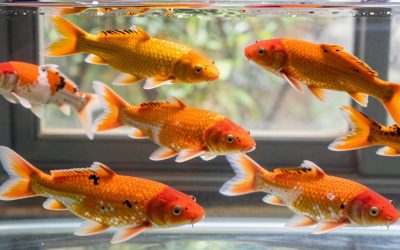
Effective treatment starts with an accurate read of the symptoms. Salt-like white spots and flicking point to the parasite ich; clamped fins, rapid gill movement, and scratching also suggest parasites, where a product like API General Cure or Seachem ParaGuard fits. Red streaks, ulcers, and ragged fins lean bacterial, the territory of MELAFIX and Fin & Body Cure. Cottony white growths indicate fungus, where PIMAFIX is designed to help. Dosing blindly stresses fish, so observe carefully first.
Treat Safely in a Hospital Tank
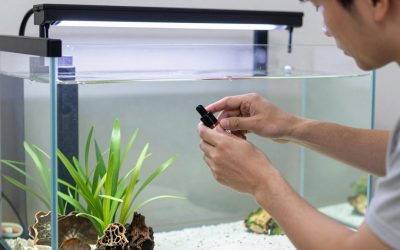
A separate hospital tank is the safest place to medicate. It protects your display’s beneficial bacteria, plants, and invertebrates, and lets you dose precisely for the volume of the patient’s water. Before treating, remove activated carbon and other chemical media so the medication is not stripped from the water. Keep aeration strong throughout, because many treatments reduce dissolved oxygen, and finish the full recommended course even if symptoms improve early.
Prevention Beats Treatment
The best medicine cabinet is one you rarely need to open. Most disease traces back to stress and water quality, so quarantine new arrivals, keep up with water changes, avoid overstocking, and hold parameters steady. Strong, stable conditions let fish fight off pathogens on their own. When you do treat, address the root cause afterward so the problem does not simply return once the medication wears off.
Frequently Asked Questions
Should I treat fish in the main tank or a hospital tank?
Whenever possible, treat sick fish in a separate hospital or quarantine tank. Medicating the display can harm beneficial bacteria, invertebrates, and plants, and many treatments are unsafe for shrimp and snails. A bare-bottom quarantine tank lets you dose accurately, observe the patient, and avoid contaminating your main system. Reserve in-display treatment for whole-tank outbreaks under careful supervision.
Do I need to remove carbon and other chemical media before medicating?
Yes. Activated carbon and resins like Purigen are designed to adsorb dissolved compounds, including the medications you are trying to dose. Remove chemical filtration before treatment so the medicine reaches an effective concentration. After the treatment course is finished, you can run fresh carbon to help clear residual medication from the water.
How do I know whether my fish has a parasite, bacterial, or fungal infection?
White spots like grains of salt suggest the parasite ich; flicking, clamped fins, and rapid breathing also point to parasites. Red streaks, ulcers, and rotting fins lean bacterial, while cottony white tufts suggest fungus. Matching symptoms to the right category, parasite, bacterial, or fungal, helps you choose between products like General Cure, MELAFIX, or PIMAFIX. When unsure, observe closely before dosing.
Can I use multiple fish medications at the same time?
Some products are designed to be combined, such as MELAFIX and PIMAFIX for mixed bacterial and fungal symptoms. However, stacking unrelated medications can stress fish and deplete oxygen. Read each label, follow recommended combinations only, keep aeration strong during treatment, and avoid mixing treatments that warn against concurrent use.
How can I prevent fish disease in the first place?
Most disease outbreaks trace back to stress and poor water quality. Quarantine all new fish before adding them, keep up with water changes, avoid overstocking, and maintain stable temperature and parameters. A healthy, low-stress environment with strong filtration is far more effective than any medication, because it stops outbreaks before they start.
Related Aquarium Guides
- Quarantine Tank Guide: Setting Up a Hospital Tank
- New Tank Syndrome: Why New Aquariums Lose Fish
- Aquarium Water Conditioner and Dechlorinator Explained
- Aquarium Maintenance Schedule: Daily, Weekly, Monthly
- How to Do an Aquarium Water Change Correctly
- Aquarium Fish Compatibility Guide: Which Fish Can Live Together?
Quarantine Tank Guide: How to Set Up and Use a Hospital Tank

Zebra Danio Care: School Size, Flow and Temperature