Last Updated: October 4, 2026
- Top Pick: AFRICAN DWARF FROG: The Complete Guide To Caring For African Dwarf Frogs: Expert Tips On Aquarium Setup, Feeding, Breeding, Health, And Creating A Thriving Aquatic Habitat
- Best Value: African Dwarf Frog Feeding Dish Feeder Kit with Tube, Tongs and Brush
- Premium Choice: AFRICAN DWARF FROG KEEPER'S HANDBOOK: A Complete Guide to African Dwarf Frog Care, Feeding, Breeding, Health, Housing, Behavior, and Responsible Lifelong Ownership for Beginners and Enthusiasts
🛒 Best Price Today on Amazon
Prime members get fast, free shipping on everything above, plus member-only deals. New members get a 30-day free trial — cancel anytime.
Introduction
African dwarf frogs are charming, fully aquatic amphibians that make fascinating additions to community aquariums, remaining small (under 2.5 inches), peaceful, and entertaining to watch as they swim, float, and occasionally sing. Unlike African clawed frogs, African dwarf frogs are true community tank residents that can be kept alongside peaceful fish without concern for predation. With the right setup and diet, these little frogs can live 5 years or more and become beloved personalities in your aquarium room.
As an Amazon Associate we earn from qualifying purchases at no extra cost to you.



What to Look For
- Species Identification: African dwarf frogs (Hymenochirus spp.) are frequently confused with African clawed frogs (Xenopus laevis) in pet stores — dwarf frogs have webbed front feet and a more streamlined body, while clawed frogs have unwebbed front feet and grow much larger; always verify the species before purchase.
- Feeding Strategy: African dwarf frogs have poor eyesight and may struggle to compete with fish for food — feed them directly using long tweezers or a pipette with sinking pellets, frozen bloodworms, or brine shrimp placed near their resting spots to ensure they receive adequate nutrition.
- Tank Cover Security: Despite being aquatic, African dwarf frogs can and will escape through any gap in the tank lid — use a well-fitting, secure cover with minimal openings to prevent desiccation deaths, which are unfortunately common in improperly covered tanks.
Top Picks
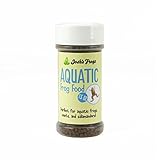
Zoo Med Aquatic Frog and Tadpole Food
Zoo Med's Aquatic Frog food is a sinking pellet formula specifically designed for the dietary needs of fully aquatic frogs like African dwarf frogs. The small, soft pellets sink quickly to the bottom where frogs hunt, and the formula provides complete nutrition including the protein levels that amphibians require for healthy development. This food pairs excellently with frozen bloodworm supplementation for a varied, balanced diet.
Hikari Frozen Bloodworms for Aquarium Fish
Frozen bloodworms are a favorite treat and nutritional supplement for African dwarf frogs, providing a high-protein live-food equivalent that triggers strong feeding responses even in reluctant eaters. Hikari's frozen bloodworms are gamma-irradiated to eliminate pathogens without affecting nutritional value, and the individual blister-pack cubes make portion control effortless. Offer bloodworms 2–3 times per week alongside dry food for optimal frog health.
Penn-Plax Aqua-Vivarium Starter Kit
Penn-Plax's aqua-vivarium kits offer a complete setup optimized for semi-aquatic and aquatic amphibians, with appropriate filtration, decor, and substrate included. The gentle filtration provided is ideal for African dwarf frogs, which prefer lower flow rates than most fish — strong currents can stress and exhaust these small frogs. The kit's secure lid design is also a notable safety advantage for escape-prone frogs.
Tank Setup and Water Parameters
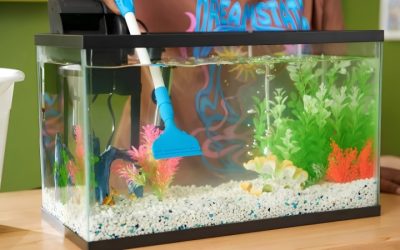
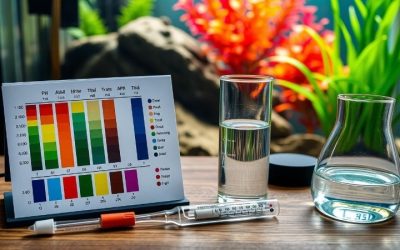
African dwarf frogs are tropical amphibians and need stable, warm water to stay healthy. Aim for a temperature of 72–78°F (22–26°C) maintained with a reliable submersible heater, a pH between 6.5 and 7.8, and soft to moderately hard water. A single frog can live in a 5-gallon tank, but because they are social a small group of three or four is happier in a 10-gallon or larger setup. Because they are weak swimmers, choose a gentle filter — a sponge filter or a baffled hang-on-back filter is ideal, since strong currents exhaust them. Use a soft sand or smooth, rounded gravel substrate to protect their delicate skin and provide plenty of low hiding spots such as caves, driftwood, and broad-leaved plants where they can rest near the surface to breathe.
Tank Mates and Behavior
African dwarf frogs are peaceful, non-aggressive community animals that do best with calm, similarly sized tank mates. Good companions include small peaceful fish such as neon tetras, ember tetras, guppies, and white cloud minnows, along with nerite snails and shrimp. Avoid large or aggressive fish, fin-nippers, and fast, greedy feeders like danios that will outcompete the slow-moving, poorly sighted frogs for food. Keep frogs in groups, as they are social and more active when housed together. Expect to see them resting on plants, swimming to the surface in a quick dart for air, and occasionally performing the male’s soft humming “song.” A secure, well-fitting lid is essential — these frogs probe every gap and will climb out, and a dried-out frog is one of the most common avoidable losses in the hobby.
Related Guides
- Harlequin Rasbora Care Guide: A Complete Beginner's Guide
- Corydoras Catfish Care Guide: The Friendly Bottom-Dwelling Schooler
- Best Smallest Tank For Betta Fish 2026
- Best Sturdy Fish Tank Stand 2026
Frequently Asked Questions
How long do African dwarf frogs live?
With proper care, stable warm water, and a varied diet, African dwarf frogs commonly live 5 years or more, and well-kept individuals occasionally reach the upper end of that range and beyond.
How many African dwarf frogs should I keep together?
They are social and feel most secure in groups. A trio or group of four in a 10-gallon or larger tank is a great starting point, giving them company while keeping the bioload manageable.
Do African dwarf frogs need a heater?
Yes. They are tropical and need water held steadily at 72–78°F. An unheated room-temperature tank that swings cooler will weaken their immune system and shorten their lifespan, so a thermostatically controlled heater is essential.
What do African dwarf frogs eat?
They are carnivores that thrive on sinking amphibian pellets supplemented with frozen or live bloodworms and brine shrimp. Because their eyesight is poor, target-feed them near their resting spots with tweezers or a pipette so they are not outcompeted by faster fish.
Can African dwarf frogs live with fish?
Yes. They are genuine community residents and coexist well with small, peaceful, non-aggressive fish. Just avoid large predatory species that might eat them and boisterous feeders that will steal their food before they find it.
Do African dwarf frogs need a filter?
Yes, gentle filtration keeps the water clean and stable, but the flow must be low. A sponge filter or a baffled hang-on-back filter is ideal, since strong currents tire out these weak swimmers and can keep them from reaching the surface comfortably to breathe.
Why is my African dwarf frog not eating?
Poor eyesight, competition from faster fish, water that is too cold, or stress from a new environment are the usual causes. Target-feed near their resting spot with tweezers or a pipette, confirm the temperature sits at 72–78°F, and give a newly added frog a week or two to settle in before worrying.
Final Thoughts
African dwarf frogs are wonderfully engaging aquarium residents that offer a completely different behavioral experience from fish alone, and their modest care requirements make them accessible to aquarists at all experience levels. Pay close attention to their feeding needs and tank security, and these entertaining little amphibians will reward you with years of personality and charm.
Related Reviews & Guides
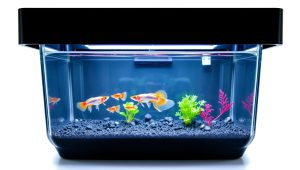
6 Best Guppy Fish Breeding Boxes 2026
Best Beneficial Bacteria Supplement for Aquarium: A Guide