Last Updated: October 21, 2026
- Top Pick: CLOWNFISH AS PET: The Ultimate Guide to Keeping Happy, Healthy Clownfish: Expert Advice on Care, Feeding, Tank Setup, And More
- Best Value: Clownfish Care Handbook : A Complete Guide to Aquarium Setup, Feeding, Behavior, and Breeding for Happy, Healthy Clownfish
- Premium Choice: CLOWN FISH HANDBOOK: A comprehensive guide to raising and caring for your Clownfish with tips on breeding, health, behavior, socialization, tank mates, nutrition, and lots more.
🛒 Best Price Today on Amazon
Prime members get fast, free shipping on everything above, plus member-only deals. New members get a 30-day free trial — cancel anytime.
Everything You Need to Know About Clownfish Care
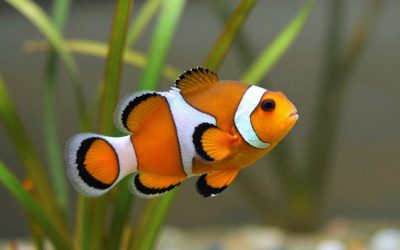
Clownfish are among the most iconic and beloved marine fish in the hobby. Famous from popular culture, clownfish are also genuinely hardy, reef-safe, and relatively easy to keep — making them an ideal first marine fish for beginner saltwater aquarists. Whether you want to keep a pair with a host anemone or enjoy them in a nano reef without one, proper clownfish care ensures these vibrant fish live long, healthy lives. Here are the best products to support your clownfish setup.
As an Amazon Associate we earn from qualifying purchases at no extra cost to you.


1. Clownfish Food: Reef Nutrition Arcti-Pods and Frozen Mysis
Clownfish are omnivores with a hearty appetite and will accept a wide range of foods. A high-quality diet combining frozen mysis shrimp, frozen brine shrimp, and marine-based pellet foods provides the nutrition they need for vibrant coloration and robust immune function. Reef Nutrition's frozen food products and high-quality marine pellets like New Life Spectrum are widely recommended by experienced marine keepers. Feed 2-3 times daily in small amounts and remove uneaten food within a few minutes to prevent water quality issues.
2. BTA Anemone and Clownfish Hosting Setup
While clownfish do not require an anemone to thrive, watching them host in a bubble tip anemone (BTA) is one of the most captivating sights in marine fishkeeping. Bubble tip anemones are the most commonly kept host species and are more tolerant of aquarium conditions than other anemone species. They require stable water parameters, high-quality lighting capable of supporting photosynthesis, and excellent water flow. A mature reef tank of at least 30 gallons is recommended before attempting to keep a BTA. Ocellaris and percula clownfish are the most reliable BTA hosts in captivity.
3. Clownfish Disease Prevention: Reef-Safe Water Treatment
Clownfish are susceptible to marine ich (Cryptocaryon irritans), velvet (Amyloodinium ocellatum), and brooklynellosis (clownfish disease) — all of which can be introduced by new fish without a proper quarantine period. Reef-safe copper-free treatments like PraziPro and Ich-X Saltwater formula, combined with a dedicated quarantine tank, are essential tools for keeping clownfish disease-free. Always quarantine new clownfish for a minimum of 4 weeks before introducing them to your display reef.
Buying Guide: Clownfish Care Essentials
- Tank size: A pair of clownfish can live in a tank as small as 10 gallons, but 20-30 gallons provides a more stable environment and room for compatible tank mates.
- Water parameters: Maintain salinity at 1.024-1.026 SG, temperature at 76-80°F, pH 8.1-8.3, ammonia and nitrite at zero, and nitrates below 20 ppm.
- Tank mates: Clownfish are generally peaceful but may become territorial, especially around their host anemone. Compatible tank mates include firefish, gobies, blennies, and dartfish.
- Captive-bred vs. wild-caught: Always choose captive-bred clownfish. They are hardier, disease-resistant, more comfortable with aquarium foods, and their purchase does not impact wild reef populations.
- Pair bonding: Clownfish are protandrous hermaphrodites. When two juveniles are kept together, the dominant fish becomes female. Purchase an established bonded pair or two juveniles to form your own.
Reef Setup and Water Conditions for Clownfish
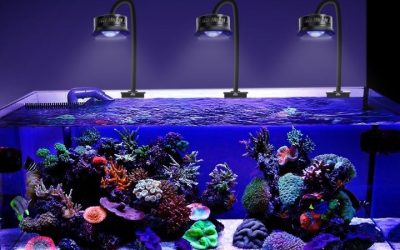
Clownfish are among the hardiest and most beginner-friendly marine fish, but they still require a stable saltwater environment. A pair does well in a tank of at least 20 to 30 gallons, with larger volumes making it easier to hold parameters steady. Aim for a temperature around 75 to 80 degrees Fahrenheit, a specific gravity near 1.020 to 1.025, and a pH around 8.1 to 8.4. As with any marine tank, the saltwater must be fully cycled before adding fish, and consistent parameters matter more than chasing perfect numbers.
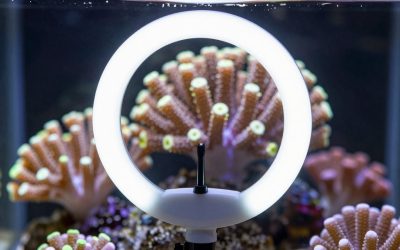
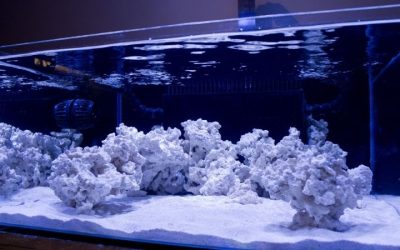
Although wild clownfish live within anemones, an anemone is not required in the home aquarium, and many clownfish thrive without one. Anemones have demanding lighting and water-quality needs that make them challenging for beginners, so newcomers often start with clownfish alone or with a hardy soft coral as a host substitute. Provide some live rock for shelter and grazing, good filtration, and gentle to moderate flow.
Diet and Compatible Tank Mates
Clownfish are omnivores and accept a varied diet readily, which makes feeding easy. Offer a mix of high-quality marine flakes or pellets along with frozen foods like mysis shrimp and brine shrimp, fed in small amounts once or twice a day. A varied diet keeps their colors vivid and their immune systems strong.
- Keep pairs, not crowds: Clownfish are best kept singly or as a bonded pair, since multiple unpaired adults of the same species often fight.
- Choose peaceful mates: Gobies, blennies, and many small peaceful reef fish coexist well with clownfish.
- Avoid aggressors: Steer clear of large, aggressive species that may bully or outcompete them.
Common Clownfish Health Considerations
Clownfish are hardy, but a few health considerations are worth knowing. Like many marine fish they can be susceptible to marine ich, especially after the stress of being moved, so a proper acclimation and ideally a quarantine period before introduction reduces the risk of importing disease. Stable salinity and temperature are key, since swings stress their immune systems. Watch for changes in appetite, breathing, or behavior as early warning signs, and maintain pristine water quality through regular testing and changes. With a stable, well-maintained reef environment and careful introduction of new arrivals, clownfish are among the most resilient marine fish and often live for many years.
Frequently Asked Questions
Do clownfish need an anemone?
No, clownfish do not require an anemone to thrive in a home aquarium. Anemones have demanding care needs, so many keepers, especially beginners, successfully keep clownfish without one.
What size tank do clownfish need?
A pair of clownfish does well in a tank of at least 20 to 30 gallons. Larger volumes are more forgiving because they keep temperature and salinity more stable.
What do clownfish eat?
Clownfish are omnivores that readily accept marine flakes or pellets along with frozen foods like mysis and brine shrimp. A varied diet fed in small amounts once or twice a day keeps them healthy and colorful.
Can I keep two clownfish together?
Yes, but it is best to keep them as a single bonded pair rather than several unpaired adults of the same species. Clownfish can be territorial, and multiple adults may fight.
What are good tank mates for clownfish?
Peaceful reef species such as gobies, blennies, and small wrasses make good companions. Avoid large or aggressive fish that could bully clownfish or compete with them for food.
Final Thoughts
Clownfish are the perfect introduction to marine fishkeeping. With proper water quality, a nutritious diet, and a thoughtful tank setup, they are rewarding and long-lived fish — some individuals live 10-15 years in well-maintained aquariums. Whether you pair them with an anemone or enjoy them in a community reef, clownfish bring unmatched color and personality to any saltwater tank.
Freshwater vs Saltwater Aquarium: Which Should You Start?

Aquarium Powerhead Surface Skimmer Nano Review