Last Updated: October 4, 2026
- Top Pick: THE ESSENTIAL HATCHETFISH OWNERS HANDBOOK: A Practical Guide to Hatchetfish Care, Aquarium Setup, Feeding, Tank Mates, Breeding, Health, and Lifelong Maintenance
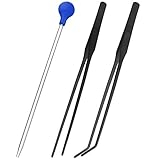
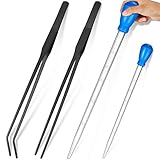
- Best Value: Weewooday 3 Pcs Axolotl Tank Accessories, Tweezers Syringe for Aquarium
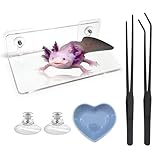
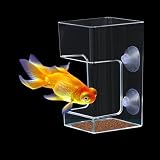
- Premium Choice: 4 Pcs Axolotl Tank Accessories, Hammock with Feeder Bowl Feeding Tongs Tweezers, Aquarium Accessories for Tank, Tank Starter Kit for Axolotl Aquarium
🛒 Best Price Today on Amazon
Prime members get fast, free shipping on everything above, plus member-only deals. New members get a 30-day free trial — cancel anytime.
Top Hatchetfish Care Tank Setup Feeding Picks for 2026
Here are our current top hatchetfish care tank setup feeding picks, compared on real Amazon owner reviews, price, and features. Live prices update below.
As an Amazon Associate we earn from qualifying purchases at no extra cost to you.




Hatchetfish are among the most distinctive small fish in the freshwater hobby, instantly recognizable by their deep, keel-shaped chests and upturned mouths. Native to the slow-moving streams and flooded forests of South America, these peaceful surface-dwellers spend almost all of their time near the waterline, scanning above for insects. They are also accomplished jumpers, capable of launching themselves clear of the water, which makes a tightly fitting lid the single most important part of their care. This guide covers everything you need to keep a school of hatchetfish thriving, from water parameters and tank setup to feeding and compatible tank mates.
Overview and Appearance
The common name “hatchetfish” covers several species, most often the marbled hatchetfish (Carnegiella strigata), the silver hatchetfish (Gasteropelecus sternicla), and the tiny pygmy hatchetfish (Carnegiella myersi). All share the same dramatic body shape: a flat back, a deeply curved belly, and large pectoral fins that the fish uses to skim and even briefly “fly” across the surface.
Most aquarium species stay small, generally between 1 and 2.5 inches depending on the type. Marbled hatchetfish show a beautiful camouflage pattern of dark and cream marbling, while silver hatchetfish have a plain, mirror-like flank that catches the light. They are shoaling fish that feel secure only in groups, so they should never be kept alone or in pairs.
- Adult size: 1 to 2.5 inches (2.5 to 6.5 cm)
- Lifespan: 2 to 5 years with good care
- Temperament: Peaceful, shy, strictly schooling
- Swimming zone: Top of the water column
Tank Setup and Water Parameters
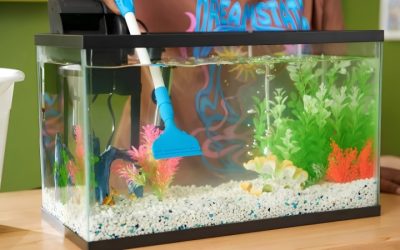
Because hatchetfish live at the surface, the footprint and the lid matter more than tank height. A group of six should have at least a 20-gallon long aquarium, and a 30-gallon or larger tank gives them the open surface area they prefer. If you are still choosing equipment, our complete fish tank setup guide walks through every component a stable community tank needs.
The lid is non-negotiable. Hatchetfish are explosive jumpers, and an open-top or partially open aquarium will eventually lose fish to the floor. Use a tight glass canopy and cover any gaps around filter intakes, cords, and feeding holes.
Aim for these conditions, which mirror their soft, tannin-stained native waters:
- Temperature: 72 to 80°F (22 to 27°C)
- pH: 5.5 to 7.0 (soft, slightly acidic)
- Hardness: soft to moderately soft
- Flow: gentle to moderate; calm surface preferred
A reliable heater keeps that range steady through seasonal swings; see our aquarium heater buyer’s guide for sizing advice. Floating plants such as Amazon frogbit or water lettuce are ideal, as they diffuse light, provide cover, and make these shy fish feel secure. A live planted tank setup suits hatchetfish perfectly. Choose a filter that turns the water over without creating a churning surface; our review of the best filters for a 20-gallon tank covers gentle options. Keep nitrates low with regular water changes, and if you ever see haze in the water, our guide on cloudy aquarium water causes and fixes explains how to clear it.
Diet and Feeding
In the wild, hatchetfish are insectivores that feed almost entirely from the surface, picking off fallen insects and hunting tiny invertebrates at the top of the water. In the aquarium they thrive on a varied diet built around floating and slow-sinking foods that they can reach before the items drift down.
- Staple: high-quality floating micro-pellets and flakes
- Frozen and live: daphnia, bloodworms, brine shrimp, and especially small live insects like fruit flies
- Frequency: small feedings once or twice daily
Wingless fruit flies are a natural match for their upturned mouths and bring out their best colors and energy. Avoid foods that sink too quickly, since hatchetfish are reluctant to feed off the bottom. For a broader breakdown of options, see our overview of aquarium fish food types. Feed only what the school can finish in a couple of minutes to keep water quality high.
Tank Mates and Behavior
Hatchetfish are peaceful to the point of being timid, so they belong in a calm community of similarly gentle fish. Keep them in a shoal of at least six, ideally eight or more, so the group disperses stress and behaves naturally. A small, secure school will spread out across the surface and dart for food together.
Because they occupy the very top of the tank, they pair well with mid-water and bottom-dwelling species that leave the surface to them. Good companions include:
- Small tetras such as neon, ember, and rummynose
- Harlequin rasboras and other peaceful rasboras
- Corydoras catfish and other gentle bottom feeders
- Dwarf shrimp and small, calm loaches
Avoid large or boisterous fish, fin-nippers, and anything aggressive enough to harass a surface shoal. If you are stocking a smaller community, our 20-gallon aquarium setup guide offers compatible stocking ideas. Keep the lid closed at all times, especially when new tank mates are added, since a startled hatchetfish will instinctively jump.
Common Health Issues
Hatchetfish are generally hardy once settled, but they are sensitive to poor water quality and to the stress of shipping. Most problems trace back to unstable parameters or a tank that was not fully cycled before stocking.
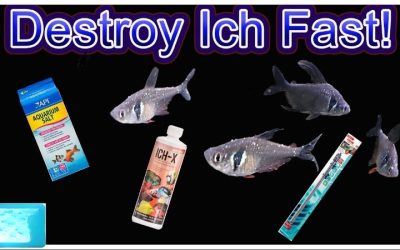
Ich (white spot disease) is the most common ailment, appearing as tiny white grains on the body and fins, usually after a temperature drop or stressful move. Raising the temperature slightly and using a proven treatment resolves most cases; see our guide to the best ich treatments. Because their thin scales make them sensitive to medications, dose conservatively and watch the fish closely.
The best defense is prevention: quarantine new arrivals, maintain steady water parameters, and keep nitrates in check with routine maintenance. Our roundup of disease prevention products and practices covers a sensible quarantine and treatment kit. Watch for clamped fins, surface gasping, or loss of appetite as early warning signs, and test your water before reaching for medication.
Frequently Asked Questions
Do hatchetfish really jump out of the tank?
Yes. Hatchetfish are powerful jumpers that can launch themselves several inches into the air to escape perceived threats or chase insects. A tight-fitting lid with all gaps covered is essential; this is the leading cause of hatchetfish loss in the hobby.
How many hatchetfish should I keep together?
Keep at least six, and ideally eight or more. They are shoaling fish that feel secure only in a group. Larger schools are calmer, more active at the surface, and far less prone to stress-related illness.
What size tank do hatchetfish need?
A school of six needs a minimum of 20 gallons with a long footprint, and a 30-gallon or larger tank is better. Surface area matters more than height because these fish live at the top of the water column.
Are hatchetfish good for beginners?
They suit beginners who already keep stable, fully cycled water and commit to a secure lid. They are peaceful and easy to feed, but they are sensitive to poor water quality and to jumping, so a little preparation goes a long way.
What do hatchetfish eat?
They are surface insectivores. Feed floating flakes and micro-pellets along with frozen or live daphnia, bloodworms, brine shrimp, and small insects like wingless fruit flies. Avoid fast-sinking foods they cannot reach.
Related Reviews & Guides

6 Best Fish Tank Aquariums With Stand 2026
How to Clear Green Aquarium Water: Three Methods Compared