Last Updated: October 21, 2026
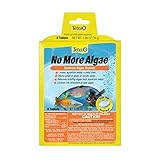
- Top Pick: Tetra No More Algae Tablets for Aquariums, 8 Count
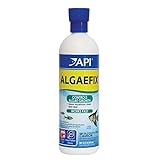
- Best Value: API ALGAEFIX Algae Control 16-Ounce Bottle
- Premium Choice: MICROBE-LIFT Algaway 5.4 Algae Remover for Aquariums, Algaecide for Freshwater and Saltwater Tanks, Aquarium Algae Control and Fish Tank Cleaner, Safe for Fish and Plants, 8 Ounces (ALGAA08)
🛒 Best Price Today on Amazon
Prime members get fast, free shipping on everything above, plus member-only deals. New members get a 30-day free trial — cancel anytime.
Why Algae Eater Fish Are a Smart Addition
Algae is a natural and inevitable part of every aquarium. While some algae growth is healthy and indicates a functioning ecosystem, excessive algae smothers plants, clouds glass, and makes your tank look neglected. Algae-eating fish provide a natural, fish-friendly solution by grazing on algae as part of their diet. The right algae eater species can dramatically reduce maintenance while adding personality and movement to your aquascape.
As an Amazon Associate we earn from qualifying purchases at no extra cost to you.


Not all algae eaters are equal — different species target different types of algae and have varying compatibility requirements. It's important to choose species appropriate for your tank size, water parameters, and existing fish community. Most algae eaters also need supplemental feeding with algae wafers or vegetables since tank algae alone rarely provides enough nutrition.
Otocinclus Catfish (Oto Cats)
Otocinclus catfish are among the best algae eaters for small to medium planted tanks. These tiny, peaceful catfish (reaching only 1.5–2 inches) are highly efficient at removing green algae and biofilm from plant leaves, glass, and decorations without damaging delicate plants. They are best kept in groups of 6 or more and require pristine, well-oxygenated water. They are sensitive to ammonia and nitrite, so they should only be added to fully cycled tanks. Oto cats are reef-safe and peaceful with virtually all community fish.
Siamese Algae Eater (SAE)
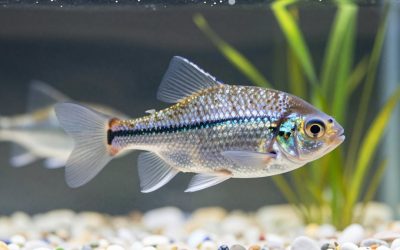
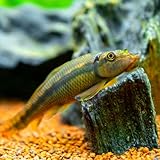
The true Siamese algae eater (Crossocheilus oblongus) is one of the few fish that will eat black brush algae (BBA) — one of the most stubborn and unsightly algae types in planted tanks. SAEs grow to about 6 inches and are active, schooling fish best kept in groups. They are compatible with a wide range of community fish and adapt to most freshwater conditions. Beware of lookalike species sold under the same name; the true SAE has a solid black stripe extending into the tail fin.
Bristlenose Plecostomus
Bristlenose plecos are a dwarf pleco species that stay under 5 inches — unlike the common pleco that outgrows most home aquariums. They are excellent grazers of soft green algae and brown diatoms on glass and decorations. Bristlenose plecos are hardy, peaceful with most fish, and produce less waste than their larger cousins. They need driftwood in the tank, which they graze on as part of their diet. Available in standard brown, albino, and longfin varieties.
What to Look For When Choosing Algae Eater Fish
- Algae type targeting: Different species eat different algae; identify your algae type before choosing.
- Tank size compatibility: Otos for small tanks, SAEs and plecos for larger setups.
- Community compatibility: Most algae eaters are peaceful; avoid aggressive tankmates that will stress them.
- Supplemental feeding: Always provide algae wafers, blanched zucchini, or spirulina tabs.
- Water quality requirements: Otocinclus are sensitive; bristlenose and SAEs are hardier.
- Beware of lookalikes: Flying fox and Chinese algae eaters are often mislabeled; research your purchase.
Choosing the Right Algae Eater for Your Tank
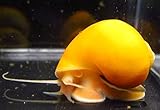
No single algae eater handles every type of algae, so matching the species to your tank size and algae problem is essential. Small tanks under 20 gallons are better suited to otocinclus catfish, nerite snails, or shrimp, which graze soft green and diatom algae without overwhelming the system. Larger tanks can support bristlenose plecos or Siamese algae eaters, the latter being one of the few fish that reliably eats stubborn black beard algae.
It is important to remember that algae eaters are part of the cleanup crew, not a cure for an underlying algae problem. Excess light and surplus nutrients are the real drivers of algae growth, so reducing photoperiod, avoiding overfeeding, and keeping up with water changes will do more than any single fish. Most algae eaters also need supplemental food once they have grazed available algae, since a mature, well-maintained tank rarely grows enough to sustain them alone. Always research adult size before buying, as the common pleco sold cheaply in stores can exceed a foot in length and outgrow most home aquariums.
Feeding and Keeping Algae Eaters Healthy
Because aquarium algae is seasonal and finite, supplement your algae eaters with appropriate foods. Sinking algae wafers, blanched vegetables such as zucchini, cucumber, and spinach, and quality bottom-feeder pellets keep them well nourished. Bristlenose plecos in particular need driftwood to rasp on, as the fiber aids their digestion. Without enough food, algae eaters can starve quietly even while the tank looks clean.
Temperament also matters when planning a community. Otocinclus and most algae-eating shrimp are peaceful and ideal for planted community tanks, while some Siamese algae eaters and older plecos can become territorial or boisterous with age. Snails and shrimp are excellent, peaceful cleaners but are vulnerable to copper-based medications and to predation by larger fish, so plan tank mates accordingly. Provide hiding spots like caves and driftwood, keep water parameters stable, and acclimate sensitive species like otocinclus slowly, since they are notoriously delicate during the first few weeks in a new aquarium.
Related Guides
- Quarantine Tank Guide: How to Set Up and Use a Hospital Tank
- Best Corner Fish Tank Stand 2026
- Best 150 Gallon Fish Tank Stand 2026
Frequently Asked Questions
What is the best algae eater for a small tank?
For tanks under 20 gallons, otocinclus catfish, nerite snails, and algae-eating shrimp are excellent peaceful choices. They graze soft algae effectively without producing a heavy bioload or outgrowing the space.
Do algae eaters need to be fed?
Yes. Most tanks do not grow enough algae to sustain an algae eater long term, so supplement with algae wafers and blanched vegetables. Without extra food, these fish can slowly starve even in a clean-looking tank.
Will algae eaters get rid of all my algae?
Algae eaters help control algae but cannot fix the root causes, which are usually too much light and excess nutrients. Reducing your lighting period and keeping up with water changes is far more effective.
How big do algae eaters get?
Size varies widely: otocinclus stay under two inches, bristlenose plecos reach four to five inches, while common plecos can exceed a foot. Always check the adult size before buying so the fish suits your tank.
Are algae eaters peaceful with other fish?
Many are peaceful, including otocinclus, nerite snails, and shrimp, making them great for community tanks. Some older plecos and Siamese algae eaters can become territorial, so monitor behavior as they mature.
Final Thoughts
Adding the right algae-eating fish is a natural, enjoyable way to manage algae while enriching your tank's community. Otocinclus catfish are ideal for small planted tanks, Siamese algae eaters tackle tough BBA in larger setups, and bristlenose plecos provide reliable grazing in a range of tank sizes. Pair your algae eaters with balanced lighting schedules and regular water changes for the best algae control results.

Aquarium Breeding Mop Spawning Review
Best Large Aquarium For A Commercial Lobby: Best Expert