Last Updated: October 4, 2026
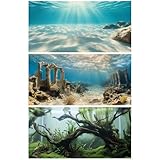
- Top Pick: Aquarium Background Film, Static Cling, Glue-Free, Blue Ocean 11.8"H×23.6"W
- Best Value: Black Aquarium Background, Static Cling Fish Tank Backdrop Wallpaper, Glue-Free, Reusable PVC Aquarium Décor Backgrounds, Easy to Install, Traceless Removal(17.5"x 78.7")
- Premium Choice: Aquarium Background Film, Static Cling Glue-Free Green Plants 11.8"H×23.6"W
🛒 Best Price Today on Amazon
Prime members get fast, free shipping on everything above, plus member-only deals. New members get a 30-day free trial — cancel anytime.
Give Your Tank Depth With the Right Aquarium Background
An aquarium background is one of the simplest and most affordable ways to dramatically improve the look of your fish tank. Backgrounds hide unsightly equipment, cords, and the wall behind the tank while giving fish a more secure feeling by reducing visual stress from outside the tank. They come in flat adhesive films, 3D foam panels, and printed photo styles that simulate underwater landscapes, planted environments, or rocky caves. Here are the top picks for every tank style.
As an Amazon Associate we earn from qualifying purchases at no extra cost to you.




1. Aquarium Adhesive Background Films
Flat adhesive or static-cling background films are the most popular and affordable option. They come in a wide range of printed designs — planted tanks, ocean scenes, solid colors, and more — and apply directly to the outside back glass of your aquarium. Static-cling versions are repositionable and reusable, while adhesive types offer a more permanent bond. They are available in standard widths to fit most aquarium sizes from 10 to 125 gallons.
2. 3D Foam Aquarium Backgrounds
Three-dimensional foam backgrounds are installed inside the tank and provide a realistic rock or wood texture that blends with your aquascape. They are carved from polyurethane foam and coated in fish-safe materials that mimic stone, driftwood, or jungle root textures. Fish can swim in and around their contoured surfaces, and beneficial bacteria colonize the porous foam. These backgrounds are heavier, more expensive, and require trimming to fit your specific tank dimensions.
3. Solid Color Aquarium Backgrounds
Solid-color backgrounds — especially black and dark blue — are perennial favorites among aquascapers because they make fish colors pop and create the illusion of depth without competing with the foreground decor. Black backgrounds in particular are used in professional aquarium photography and aquascaping competitions. They come as adhesive films, paint-on options, or thick felt panels that can be cut to size and secured with tape on the outside of the glass.
Buying Guide: How to Choose an Aquarium Background
- Measure carefully: Measure the height and width of your tank before ordering. Most backgrounds come in standard sizes; you may need to trim.
- Inside vs. outside: Flat films attach outside the glass; 3D panels go inside the tank. Inside panels take up tank volume but look more realistic.
- Design compatibility: Choose a design that complements your decor — natural scenes suit planted or biotope tanks; solid colors work universally.
- Bubble prevention: When applying adhesive films, use a credit card or squeegee to push air bubbles toward the edges as you apply.
- Fish stress: A background reduces reflections inside the glass, which lowers stress-related behaviors in skittish fish species.
Types of Aquarium Backgrounds and Their Benefits
An aquarium background does more than look attractive; it hides cords, hoses, and the wall behind the tank, creating a clean, finished display while giving fish a sense of security against an enclosed backdrop. The most common options are static-cling and taped vinyl backgrounds, which are inexpensive, easy to change, and come in printed scenes or solid colors. Solid black or deep blue backgrounds are especially popular because they make fish colors and aquascapes pop while concealing equipment with minimal distraction. Printed nature scenes offer more visual interest but can look busy behind a heavily decorated tank.
For a more dramatic, dimensional look, three-dimensional backgrounds made of molded resin or foam attach inside the tank and mimic rock walls, roots, or reef structures. These create striking depth and provide additional surfaces and hiding spots, though they reduce usable swimming volume and are harder to clean. Some aquarists instead paint the outside back glass, which gives a permanent, seamless solid color. The right choice depends on your style, budget, and how much you want the background to be a feature versus a quiet backdrop.
Installing and Maintaining Your Background
Flat vinyl backgrounds are easiest to apply to a clean, dry outside back pane. For static-cling types, smooth the film on with a card or squeegee to push out air bubbles. For taped versions, a thin film of water or a light mist between the background and glass can help eliminate trapped bubbles and create a smoother, more even appearance. Trimming the background to the exact tank dimensions before applying gives the cleanest result and avoids overhang.
Maintenance is minimal but worth considering. External backgrounds stay clean indefinitely since they never touch the water, making them the lowest-maintenance option. Internal three-dimensional backgrounds, by contrast, accumulate algae and detritus and need periodic scrubbing, and they should be securely fixed so they cannot trap fish behind them. Whichever style you choose, installing the background before filling the tank is far easier than working around a full aquarium, so it is best planned as part of the initial setup. A well-chosen background ties the whole display together and showcases the fish to their best advantage.
Frequently Asked Questions
What color aquarium background is best?
Solid black or deep blue backgrounds are popular because they make fish colors and aquascapes stand out while hiding equipment. The best choice ultimately depends on your tank’s style and the look you want.
How do I apply a background without bubbles?
Apply it to clean, dry glass and smooth it on with a card or squeegee for static-cling types. A light mist of water between the film and glass on taped backgrounds helps eliminate trapped bubbles.
Do fish benefit from a background?
Yes. A background encloses the rear of the tank, which gives many fish a greater sense of security and can reduce skittish behavior. It also hides equipment that might otherwise distract or unsettle them.
Should I use a 3D background?
Three-dimensional backgrounds add striking depth and extra hiding spots but reduce swimming space and need occasional cleaning. They are a great feature for display tanks if you accept the slightly higher maintenance.
Can I just paint the back of my tank?
Yes. Painting the outside back glass gives a permanent, seamless solid color and never touches the water. Apply it before placing the tank against the wall for the cleanest result.
Final Thoughts
An aquarium background is a small investment that makes a big visual difference. Whether you choose a photo-realistic adhesive film, a dramatic 3D foam panel, or a clean solid-color finish, the right background ties your entire aquascape together. Select one that suits your tank size, fish species, and personal aesthetic for the most polished result.
Related Reviews & Guides
Best Aquarium Auto Top Off System for Nano Tanks: Top Picks

4 Best Aquarium Auto Feeders for Vacation