Last Updated: October 4, 2026
Nano aquariums under 10 gallons have evolved far beyond the gimmicky plastic desktop bowls of the past. Today, micro-tank keeping is one of the most rewarding niches in the hobby, allowing aquarists to build lush planted aquascapes, dedicated shrimp colonies, or striking miniature biotopes in minimal space. However, smaller water volumes amplify every environmental shift. Choosing the right nano tank is not just an aesthetic decision; it dictates how forgiving your ecosystem will be and how much daily effort you will spend stabilizing parameters.
When selecting a sub-10-gallon setup in 2026, the market offers a dizzying array of rimless cubes, all-in-one (AIO) kits, and curved-glass peninsulas. It is easy to get distracted by sleek marketing or low upfront prices while overlooking the structural and technical features that make long-term maintenance manageable. This guide cuts through the visual appeal to highlight the engineering specs, footprint geometry, and biological realities that truly matter before you invest.
As an Amazon Associate we earn from qualifying purchases at no extra cost to you.

Rimless vs. All-in-One (AIO) Systems
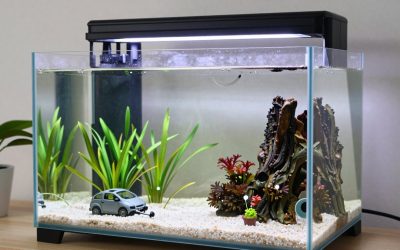
Your first major decision is choosing between a bare glass box (standard or rimless) and an All-in-One system with built-in rear filtration chambers. Pure rimless tanks offer clean lines and complete freedom to customize your equipment, from external canister filters to glass lily pipes. However, they also expose heaters, intake tubes, and cords inside a tiny display space unless you invest heavily in discreet hardware.
All-in-One systems hide your mechanical, chemical, and biological media behind a built-in false wall. They also conceal the heater and return pump, keeping the viewing area clutter-free. The tradeoff is reduced display volume: an 8-gallon AIO often only provides 5.5 to 6 gallons of actual swimming room. If you want simplicity and a clean desk aesthetic without buying separate filtration, pick an AIO. If you want maximum swimming volume and modular equipment upgrades, choose a standard bare tank.
Glass Clarity and Edge Finishing
Because nano tanks sit close to eye level on desks, counters, or nightstands, optical clarity is significantly more noticeable than on a large 55-gallon tank. Standard float glass contains iron, which imparts a distinct greenish tint along the viewing pane and visible dark green edges. For sub-10-gallon setups, low-iron (often labeled extra-clear or optic-white) glass makes a dramatic difference, rendering plant greens, vibrant shrimp, and micro-fish true to color.
Pay close attention to the silicone application and glass thickness. Quality nano tanks feature 4mm to 6mm glass with 45-degree mitered edges and clear, zero-bleed silicone joints. Avoid tanks with messy, bulging silicone seams or thin 3mm glass, as the structural integrity of small tanks relies heavily on precise, uniform bonding to withstand accidental bumps and routine cleaning.
Footprint Geometry: Depth vs. Height
Total water volume is only half the story; tank dimensions matter just as much. Tall, narrow column tanks look compact, but they are notoriously difficult to manage. Vertical designs suffer from restricted surface area, leading to poor gas exchange, low oxygenation, and dead flow zones at the bottom. Furthermore, tall tanks limit the footprint for hardscaping and swimming corridors, while making maintenance awkward with standard aquascaping tools.
Instead, prioritize shallow or wide footprints—often sold as “long” or “bookshelf” configurations. A 6-gallon shallow tank provides roughly the same bottom surface area as a standard 10-gallon tall tank. This horizontal space maximizes territory for dwarf shrimp or micro-rasboras, improves light penetration to carpet plants, and vastly simplifies regular water changes and trimming.
Filtration Flow Control and Biocapacities
A frequent failure point in sub-10-gallon kits is an overpowered, non-adjustable water pump. In small water volumes, high-velocity output creates a washing-machine effect that exhausts delicate fish like betta splendens, blows substrate across the bottom, and keeps nano shrimp hidden in hardscape crevices. Conversely, underpowered filtration leads to stagnant biofilm on the water surface.
Ensure any kit you choose includes adjustable flow valves or interchangeable nozzle attachments, such as spray bars or spin pipes. Additionally, assess the biological filter capacity: look for enough media chamber room to hold porous ceramic rings, sintered glass, or coarse foam sponges rather than proprietary, throwaway disposable cartridges. Stable biological filtration is your primary insurance policy against deadly ammonia spikes in micro volumes.
Lids, Evaporation, and Temperature Stability
In a 5-gallon aquarium, evaporating just half a gallon of water represents a massive 10% volume loss. This rapid evaporation quickly concentrates total dissolved solids (TDS), raises salinity, and alters general hardness. Rimless open-top tanks look modern, but they require daily top-offs with reverse osmosis (RO) or distilled water to maintain stable parameters.
If you cannot commit to daily monitoring or an automated top-off system, choose an aquarium that includes a low-profile glass lid with tight-fitting clips. Beyond mitigating evaporation, a secure lid prevents common tragedies: many micro-fish, such as chili rasboras and celestial pearl danios, along with nerite snails, are notorious jumpers when startled or exploring their territory.
Stocking Limitations: Realistic Bio-Loads
The most common mistake beginners make with tanks under 10 gallons is overstocking. A small volume has minimal buffer capacity; one overfed meal or a single dead inhabitant can crash the cycle within hours. These systems are not suitable for active schooling fish like neon tetras, standard barbs, or livebearers that produce heavy waste.
Design your nano tank around micro-fauna that thrive in restricted quarters. Excellent candidates include Neocaridina or Caridina shrimp colonies, solitary long-finned bettas, micro-snails, or small groups of nano-rasboras (in tanks at least 6 gallons or larger with generous horizontal swimming space). Always plan your livestock before selecting your tank geometry to guarantee compatibility.
Related Guides
If you want to see our specific hardware recommendations and lab-tested favorites for this year, check out our comprehensive breakdown of the Best Nano Aquariums under 10 Gallons in 2026: Compared and Ranked to find the ideal match for your home.
FAQ
Are nano tanks under 10 gallons harder to maintain than large aquariums?
Yes, smaller water volumes are more sensitive to parameter swings, temperature fluctuations, and waste accumulation. While maintenance tasks like water changes take only minutes, they require strict consistency and careful dosing compared to larger systems with greater biological buffers.
Can I keep a heater inside a sub-10-gallon aquarium safely?
Yes, but you must use a reliable, appropriately sized heater (typically 25 to 50 watts) paired with an external digital temperature controller when possible. In micro-tanks, a malfunctioning, stuck-on heater can overheat the entire water volume in less than an hour.
Is low-iron glass necessary for a nano tank?
While standard float glass works fine structurally, low-iron glass provides noticeably better clarity and color accuracy at close viewing distances. Because nano aquariums are compact and frequently placed on desks or countertops, the visual upgrade of ultra-clear glass is well worth the modest price difference.
How often should I perform water changes on a sub-10-gallon tank?
Most healthy, cycled nano aquariums benefit from a weekly water change of 10% to 20%. In heavily planted, lightly stocked shrimp tanks, bi-weekly changes may suffice once parameters stabilize, provided you regularly top off evaporated water with pure RO or distilled water.
Related Reviews & Guides
6 Best Aquarium Sump Filtrations 2026
5 Best Aquarium Filters for Turtles & Axolotls in 2026