Last Updated: October 17, 2026
- Houseplants in a Fish Tank at a Glance
- Why Roots in Aquarium Water Work
- Which Houseplants Are Commonly Used
- Plants That Are Unsuitable
- Set-Up Options
- Step-by-Step: Adding a Pothos Cutting
- Nutrient Export: What to Expect and What Not To
- Troubleshooting
- Pet Toxicity and Safety Notes
- Maintenance Schedule
- Who Should Skip This Idea
- Frequently Asked Questions
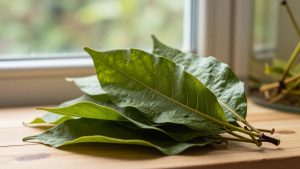
Yes, a few houseplants can grow in a fish tank, but only with their roots in the water and their leaves in the air: pothos (Epipremnum aureum), peace lily (Spathiphyllum), lucky bamboo (Dracaena sanderiana) and spider plant (Chlorophytum comosum) are the ones keepers use most, while cacti, succulents and most soil-loving plants rot and should stay out. These plants are not true aquatic plants, so the goal is never to submerge the foliage. Instead, the roots act as a living nutrient sponge that pulls nitrogen compounds out of the tank water.
Quick answer: Our top pick in 2026 is the Pothos (Epipremnum aureum) — our #1 rated choice. See the full ranked comparison, alternatives and buying advice below.
Houseplants in a Fish Tank at a Glance
| Plant | What goes in the water | Nutrient uptake | Main caution |
|---|---|---|---|
| Pothos (Epipremnum aureum) | Bare roots or a rinsed cutting with 2-4 leaves | Fast; roots grow dense and white within weeks | Toxic to cats and dogs if chewed; roots can tangle in filter parts |
| Peace lily (Spathiphyllum) | Roots only, crown kept above the waterline | Good, slower than pothos | Contains insoluble calcium oxalates; toxic to pets |
| Lucky bamboo (Dracaena sanderiana) | Stalk base and roots | Moderate | Leaves must stay out of water or they rot; a Dracaena, listed by the ASPCA as toxic to cats and dogs |
| Spider plant (Chlorophytum comosum) | Roots only | Slower than aroids | Prefers to dry out sometimes; roots may rot if always soaked |
| Cactus, succulents, orchids | Nothing | None | Roots rot when permanently wet; not suitable |
Why Roots in Aquarium Water Work
Fish waste breaks down into ammonia, then nitrite, then nitrate through the nitrogen cycle in a healthy filter. Nitrate is the end product that normally builds up until a water change removes it. Plants use nitrogen as a nutrient, so roots sitting in the tank can take nitrate and some ammonia straight from the water. Houseplants have an extra advantage over true aquatic plants: their leaves breathe air, so carbon dioxide is never a limiting factor for them. Keepers commonly describe pothos and similar plants as effective nitrate users in tanks without added CO2, though no reliable comparison with submerged plants is available.

Borlech Upgraded Large Aquarium Plant Holder with Hooks and Suction Cups for Fish Tank Aquaponic Plant Cultivation and Aquascape Decorations (Black)
Included for 'Houseplants in Fish Tanks: Pothos, Peace Lily and Lucky Bamboo' as a relevant option in this category; details come from the product listing.
View on Amazon
2026 Telescoping Aquarium Plant Holder with 3 Cups, Clear Acrylic | Rim-Mount Rack, For 5.5 gal 10 gal 40 gal 75 gal, For Live Plants, Aquaponic Fish Tank, For Pothos, Betta & Aquascape Decor
Included for 'Houseplants in Fish Tanks: Pothos, Peace Lily and Lucky Bamboo' because the listing specifies Clear Acrylic and Rim-Mount Rack, details this guide uses to compare options.
View on Amazon
2 Pack Clear Aquarium Plant Holder Top Hanging Fish Tank Plant Holders | Fits up to 0.8in Thick Tank Edges, Aquarium Decor for Fish Tank
Included for 'Houseplants in Fish Tanks: Pothos, Peace Lily and Lucky Bamboo' because the listing specifies Fits up to 0.8in Thick Tank Edges and Aquarium Decor for Fish Tank, details this guide uses to compare options.
View on Amazon
Paalee 2 Pack Hanging Aquarium Plant Holder, 7-Hole Fish Tank Rim Planter
Included for 'Houseplants in Fish Tanks: Pothos, Peace Lily and Lucky Bamboo' because the listing specifies 7-Hole Fish Tank Rim Planter, details this guide uses to compare options.
View on AmazonAquarium Co-Op describes pothos as great at reducing nitrate and algae growth, while stressing that it does not mechanically filter particles out of the water. That second point matters. A pothos root mass is a nutrient export tool, not a replacement for a filter, regular water changes or sensible stocking.
Which Houseplants Are Commonly Used
Pothos
Pothos is the most widely recommended choice. Keepers report that it tolerates low light, roots easily from a node and puts out long, stringy water roots. A cutting with two to four leaves is typically separated from a larger pot, then the roots are rinsed thoroughly to remove soil and any slow-release fertilizer before anything goes near the tank. Soil particles and fertilizer pellets can foul the water and feed algae, so a gentle rinse under lukewarm tap water is worth the extra minute.
Peace lily
Peace lily can live with its roots in water over the long term as long as the crown, where the leaves emerge, stays above the surface. It is a slower root grower than pothos. Keepers report it is attractive in a hang-on-back filter compartment or a rim planter, where the white flowers and dark leaves sit above the lid. Its toxicity profile is covered in the pet safety section below.
Lucky bamboo
Lucky bamboo is sold as stalks in water, so its roots are already adapted to being wet. Note that it is a Dracaena, and the ASPCA lists Dracaena as toxic to dogs and cats (saponins). Garden and aquarium sources agree it is not a true aquatic plant: the stalk and roots can sit in water, but the leaves have to stay above the waterline. Fully submerged stalks eventually rot and can foul the tank. Some hobbyists report short-term success with submerged stalks, yet the same sources advise against it. If a stalk is used, strip any leaves that would sit under water to prevent rot, give moderate light, and avoid strong direct sun, which tends to yellow the foliage.
Spider plant
Spider plant is workable but typically slower at taking up nitrate than pothos or peace lily. Some hobbyists note that spider plants prefer to dry out at times, so a setup where only the lowest part of the root mass touches water is often more successful than constant soaking. The ASPCA lists spider plant as non-toxic to dogs and cats, which some keepers see as a plus around pets, though any plant material can upset a pet’s stomach.
Other plants keepers mention
Chinese evergreen (Aglaonema), coleus, English ivy and sweet potato vine appear in hobbyist discussions as plants that can root in water. Evidence for each is mostly anecdotal, so treat them as experiments rather than proven choices, and quarantine any new plant before it touches the tank. Pet safety differs: the ASPCA lists Chinese evergreen (calcium oxalates), coleus (essential oils) and English ivy (saponins) as toxic to dogs and cats, and lists sweet potato vine as non-toxic.
Plants That Are Unsuitable
- Cacti and succulents: they store water in their tissue and rot when roots are permanently wet. Hobbyists report no cactus or succulent that tolerates constantly wet roots, even though one retail blog lists them as an option.
- Orchids and other plants needing a dry-wet cycle: they need air around the roots.
- Plants treated with systemic pesticides or heavy leaf-shine products: chemicals can leach into the water. Buy untreated cuttings or grow them from a plant you know has not been sprayed.
- Anything with leaves that would sit underwater: submerged houseplant foliage decays and releases organic waste, which is the opposite of what the plant is there to do.
Set-Up Options
| Method | How it works | Best for | Watch out for |
|---|---|---|---|
| Hang-on-back filter compartment | Roots sit in the filter box, leaves climb out the top | Pothos, peace lily | Keep roots away from the motor and impeller |
| Net cup or suction-cup planter at the rim | A small basket holds the stem; roots dangle in the tank | Pothos, spider plant, lucky bamboo | Make sure the plant cannot fall in |
| Cutting held by the lid | Stem passes through a lid gap with roots below | Pothos cuttings | Gap must still allow gas exchange and prevent fish jumping |
| Sump or refugium chamber | Roots in a dedicated chamber | Larger tanks | Needs a working sump |
Whichever method is used, only the roots should touch water. Leaves resting on the surface or splashing in the filter outflow will decay. Open-top tanks need a secure lid or mesh if fish jump, and any plant in a lid gap should leave room for gas exchange.
Step-by-Step: Adding a Pothos Cutting
- Choose a healthy cutting. Pick a stem with two to four leaves and at least one node. Nodes are where roots emerge, so a cutting without a node will not root.
- Rinse thoroughly. If starting from a potted plant, wash every trace of soil off the roots, because soil carries fertilizer and organic matter that feeds algae.
- Quarantine briefly. Keepers commonly soak or root cuttings in a separate jar of dechlorinated water for a week or two. This catches pests such as snails or aphids and confirms new roots are growing.
- Position it. Place the roots in the tank or filter box while leaves and stem stay clear of the water. Secure the stem so it cannot slip.
- Trim as it grows. Pothos roots can expand to fill a filter box. Cut back long roots every few weeks, and remove any yellowing leaf promptly.
- Watch the fish and the water. Test nitrate before and a few weeks after. Roots are a supplement, so keep up regular water changes.
Nutrient Export: What to Expect and What Not To
Houseplant roots lower nitrate and some ammonia, which can help keep algae slower to appear in tanks with lots of fish waste. They do not remove phosphate, hardness minerals, dissolved organics or particulate debris in a reliable way, and they cannot cure a poorly cycled tank. Nitrate reduction depends on root mass, so one small cutting will do little in a large, heavily stocked tank. Keepers who rely on plants to hold nitrate down generally report that it takes a sizable, established root mass before test results change meaningfully, and the effect varies tank by tank. No exact nitrate reduction figure is reliable across setups.
Houseplant roots also need nutrients other than nitrogen, such as potassium and iron. In a fish-only tank those arrive in fish food. A plant that pales over months may be short of a nutrient, or may simply have too little light on its leaves, since houseplants are photosynthesising in room light, not tank light.
Troubleshooting
| Symptom | Likely cause | Fix |
|---|---|---|
| Leaves yellowing from the base | Low light, or leaves touching water | Move closer to a window or add a grow light; lift leaves clear of the surface |
| Brown, mushy stem at the waterline | Rot from permanent submersion of the stem | Cut above the rot, re-root a clean cutting, keep the stem dry |
| Algae on plant roots | Strong light on the roots or very high nutrients | Shade the root zone and review feeding and water changes |
| Roots clogging the filter | Overgrowth | Trim roots; keep them away from the intake and impeller |
| Fish nibbling the plant or roots | Herbivorous or curious species | Use a net cup or guard; remove the plant if fish show illness |
| Cloudy water after adding plant | Soil or fertilizer residue | Remove, rinse more thoroughly, do a partial water change |
Pet Toxicity and Safety Notes
This is the part that is easy to overlook. Pothos and peace lily both contain insoluble calcium oxalates. The ASPCA lists both as toxic to dogs and cats, with signs including burning irritation of the mouth, tongue and lips, drooling, vomiting and difficulty swallowing. Aquarium Co-Op likewise notes pothos is toxic to cats and dogs if ingested, while it reports no problems for aquarium fish. A plant hanging off the side of a tank is within reach of a curious cat or dog, so tanks in homes with pets should have a secure, cat-proof lid or the plant should be placed out of reach.
The ASPCA lists Dracaena, the genus of lucky bamboo, as toxic to dogs and cats because of saponins, with signs including vomiting, drooling, lethargy and, in cats, dilated pupils; true bamboo is a different plant. The ASPCA also states that eating any plant material may cause vomiting and stomach upset. If a pet chews a houseplant, call a veterinarian or an animal poison control service promptly rather than waiting for symptoms.
Fish keepers also should avoid dripping plant sap into the tank when cutting, and wash hands afterward, because aroid sap can irritate skin and eyes in some people.
Maintenance Schedule
| Frequency | Task |
|---|---|
| Weekly | Check that leaves are above water; remove yellow or dead leaves |
| Every 2-4 weeks | Trim overgrown roots; inspect for rot or pests |
| With each water change | Rinse filter-box roots lightly if debris has collected |
| Monthly | Test nitrate and compare with earlier readings |
| Every few months | Divide or replace cuttings that have become woody or tangled |
Who Should Skip This Idea
Skip the plant-on-the-tank idea if a cat or dog is likely to reach the tank, if the lid cannot accommodate a stem without leaving a jumping gap, or if the species is a known plant-eater such as some goldfish and larger cichlids. Open tops also lose water faster and, for jumpers such as some killifish, barbs, and hatchetfish, an uncovered gap is a welfare risk. In those cases a lid with a sealed planting cup or simply regular water changes is the safer path.
Frequently Asked Questions
Can pothos live permanently with its roots in a fish tank?
Yes, pothos is commonly kept with roots in aquarium water for years as long as the leaves stay above the waterline and it gets some light. The roots keep growing, so periodic trimming is needed. Keepers report it is one of the least demanding houseplants for this use.
Is pothos safe for fish?
Aquarium Co-Op reports no problems for aquarium fish from pothos roots, though it is toxic to cats and dogs if eaten. Use cuttings that have not been sprayed with pesticides, and rinse the roots well. Any plant that rots in the tank should be removed quickly.
Will houseplants replace water changes?
No. Roots take up some nitrogen but do not remove all dissolved waste, minerals or particles. Regular partial water changes and proper filtration remain necessary, and the plant is a supplement.
Can lucky bamboo be fully submerged?
It is not recommended. Sources describe lucky bamboo as a semi-submerged plant whose leaves must stay in the air. A few hobbyists report short-term submerged growth, but rotting stalks can degrade water quality.
Which houseplant removes nitrate fastest?
Keepers most often name pothos, with peace lily next, while spider plant is usually described as slower. Results depend on root mass, light and how much nitrate the tank produces, so no precise figure applies to every tank.
Do the plants need fertilizer?
Usually not in a fish tank, because fish food supplies most nutrients. If a plant pales for months, a very dilute liquid fertilizer applied to the leaves or roots in a separate container can be tried, but keep nitrate in the dose to a minimum if the point is nitrate removal.
Are houseplants suitable for a tank with a cat in the house?
Be careful. Pothos, peace lily and lucky bamboo are toxic to cats and dogs per the ASPCA, and spider plant is listed as non-toxic. If a cat can reach the tank, use a secure lid, place the plant out of reach, or choose another way to manage nitrate.
Ready to decide? Our #1 pick for 2026 is the Pothos (Epipremnum aureum).
Live price & availability on Amazon.
Related Reviews & Guides


Fastest Growing Aquarium Plants for Nutrient Control and Quick Cover
How to Clean Algae Off Aquarium Glass Without Stressing Fish