Last Updated: October 21, 2026
- Top Aquarium Plant Nutrient Deficiencies Visual Picks for 2026
- How to Read Plant Symptoms Like a Diagnostic Chart
- Nutrient Deficiency Symptom Table
- Macronutrients: Nitrogen, Potassium, and Phosphorus
- Micronutrients: Iron, Magnesium, and Calcium
- It Might Not Be Nutrients: Light and CO2 Factors
- Fixing Deficiencies: Dosing and Root Tabs
- Frequently Asked Questions
- Related Articles
- Top Pick: Fluval Plant Micro Nutrient for Aquariums, 8.4-Ounce
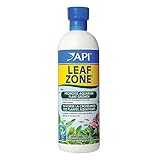
- Best Value: API LEAF ZONE Freshwater Aquarium Plant Fertilizer 18-Ounce Bottle White
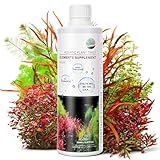
- Premium Choice: Hygger CO2 HC035 All-in-One Liquid Aquarium Plant Fertilizer – with Essential Micro & Macro Nutrients for Freshwater Planted Tanks, 150ml/500ml/1000ml (150mL)
🛒 Best Price Today on Amazon
Prime members get fast, free shipping on everything above, plus member-only deals. New members get a 30-day free trial — cancel anytime.
Top Aquarium Plant Nutrient Deficiencies Visual Picks for 2026
Here are our current top aquarium plant nutrient deficiencies visual picks, compared on real Amazon owner reviews, price, and features. Live prices update below.
As an Amazon Associate we earn from qualifying purchases at no extra cost to you.





When aquarium plants start to look unhealthy — yellowing leaves, pinholes, stunted new growth — the cause is usually a nutrient imbalance rather than disease. The challenge is that different deficiencies produce different visual symptoms, and learning to read those signs turns guesswork into precise correction. This visual diagnosis guide walks through the most common nutrient deficiencies in planted tanks, the tell-tale symptoms of each, and how to fix them. It also covers the light and CO2 factors that often masquerade as nutrient problems.
How to Read Plant Symptoms Like a Diagnostic Chart
The single most useful clue in plant diagnosis is where the symptom appears: on old leaves or new leaves. This is because some nutrients are mobile — the plant can move them from old leaves to fuel new growth — while others are immobile and stay locked where they were first deposited.
When a mobile nutrient (such as nitrogen, potassium, phosphorus, or magnesium) runs short, the plant cannibalizes its older, lower leaves first, so damage shows up at the bottom. When an immobile nutrient (such as iron or calcium) runs short, the new, upper leaves suffer because the plant cannot relocate reserves to them. Keeping this old-vs-new distinction in mind makes the table below far easier to apply.
Nutrient Deficiency Symptom Table
| Nutrient | Mobility | Where Symptoms Appear | Visual Symptoms |
|---|---|---|---|
| Nitrogen (N) | Mobile | Older leaves first | Uniform yellowing (chlorosis) of whole leaves; older leaves fade and die back; slow, stunted growth |
| Potassium (K) | Mobile | Older to mid leaves | Tiny pinholes in leaves, often with yellow halos; yellowing leaf edges and margins |
| Iron (Fe) | Immobile | New leaves first | Interveinal chlorosis — yellow leaf tissue while the veins stay green; new growth looks pale or translucent |
| Phosphorus (P) | Mobile | Older leaves first | Darkened, dull green or reddish-purple older leaves; stunted growth; can also spur certain algae when in excess |
| Magnesium (Mg) | Mobile | Older leaves first | Interveinal chlorosis on older leaves, with veins remaining green; easily confused with iron but on old growth |
| Calcium (Ca) | Immobile | New leaves first | Twisted, deformed, or stunted new leaves; hooked or curled tips; poor structural development |
A few quick distinctions worth memorizing: nitrogen yellows entire older leaves uniformly, while potassium punches pinholes. Iron and magnesium both cause interveinal chlorosis (yellow between green veins), but iron strikes new leaves and magnesium strikes old ones. Calcium shows as distorted new growth rather than discoloration.
Macronutrients: Nitrogen, Potassium, and Phosphorus
These are the nutrients plants consume in the largest quantities, which is why they are the most common deficiencies in a thriving, fast-growing tank.
Nitrogen
Nitrogen drives leafy growth, so a shortage causes overall pale, yellow, slow-growing plants starting with the oldest leaves. In lightly stocked or sparsely fed tanks, fish waste alone may not supply enough nitrogen, and supplemental dosing becomes necessary.
Potassium
Classic potassium deficiency shows as small pinholes that appear mid-leaf and enlarge, often ringed with yellowing. Potassium is rarely supplied by fish waste, so it is one of the most frequently dosed nutrients in planted tanks.
Phosphorus
Phosphorus deficiency darkens and dulls older leaves, sometimes with reddish tints, and stunts growth. Excess phosphate, by contrast, is often blamed for algae, so balance matters — our aquarium algae identification and control guide explains how nutrient imbalances and algae are linked.
Micronutrients: Iron, Magnesium, and Calcium
Iron is the headline micronutrient. Because it is immobile, deficiency hits new leaves first, producing the classic interveinal chlorosis where the leaf turns yellow but the veins stay green. Red plants in particular need iron to keep their color; pale, washed-out new growth is a strong iron signal.
Magnesium produces a similar interveinal pattern but on older leaves, since it is mobile. Magnesium and calcium are both tied to water hardness, so very soft water can leave plants short of both. If your water is extremely soft, the fixes in our GH and KH guide can supply these minerals while also stabilizing your parameters.
Calcium deficiency is less about color and more about deformity — new leaves come in twisted, hooked, or stunted because calcium builds cell-wall structure and cannot be relocated to fresh growth.
It Might Not Be Nutrients: Light and CO2 Factors
Before you start dosing fertilizers, rule out the two factors that frequently mimic deficiencies: light and carbon dioxide.
- Insufficient light produces pale, leggy, stretching plants that reach for the surface, which can look like a nitrogen problem. Too much light without matching nutrients and CO2, on the other hand, triggers algae and burns delicate plants.
- Low CO2 is the most common hidden cause of poor growth and stunting in demanding plants. Carbon is the single largest nutrient plants need, and no amount of fertilizer compensates for a carbon shortage. Stunted, struggling growth despite good dosing usually points to CO2.
The key concept is balance: light sets the pace of growth, and CO2 plus nutrients must keep up with that pace. Crank up light without supplying carbon and nutrients, and you get deficiencies and algae instead of lush plants. Our planted tank setup guide covers how to match these three pillars, and beginner-friendly species in our best plants for beginners list are far more forgiving while you dial things in.
Fixing Deficiencies: Dosing and Root Tabs
Once you have identified the likely culprit, correction is usually straightforward:
- Liquid fertilizers deliver nutrients into the water column, ideal for plants that feed through their leaves and stems, such as stem plants and floating species.
- Root tabs are inserted into the substrate and feed heavy root-feeders directly. Plants like the Amazon sword draw most of their nutrients through their roots and respond dramatically to root tabs.
- Comprehensive fertilizers supply a full spectrum of macro- and micronutrients and are the simplest starting point for beginners unsure which nutrient is missing.
Choose your delivery method based on the plant. Root-feeders like swords and crypts benefit most from substrate dosing, while water-column feeders like hornwort and Java moss take nutrients straight from the water. Dose gradually and observe new growth over one to two weeks — because deficiencies show in the leaves a plant grows next, improvement appears in fresh foliage rather than in already-damaged leaves.
Frequently Asked Questions
How do I tell iron deficiency from nitrogen deficiency?
Look at which leaves are affected and the pattern. Iron deficiency causes yellowing between green veins on new leaves. Nitrogen deficiency causes uniform yellowing of entire older leaves. New-leaf interveinal yellowing points to iron; old-leaf uniform yellowing points to nitrogen.
My plants have small holes in the leaves — what causes that?
Pinholes, especially with yellow edges, are the classic sign of potassium deficiency. Snails and physical damage can also cause holes, but a consistent pinhole pattern across many leaves usually means the plant needs more potassium.
Will fish waste provide enough nutrients for my plants?
Sometimes, but rarely completely. Fish waste supplies nitrogen and phosphorus in many tanks, but potassium, iron, and other micronutrients are usually lacking. Most planted tanks benefit from at least a comprehensive liquid fertilizer.
Why are my plants struggling even though I dose fertilizer?
The most common hidden cause is insufficient CO2 or a light-nutrient-carbon imbalance. If you dose properly but plants still stunt, carbon limitation or low light is the likely culprit rather than a specific nutrient shortage.
Can nutrient problems cause algae?
Yes. Both deficiencies and excesses can tip the balance toward algae, because struggling plants leave nutrients and light unused for algae to exploit. Healthy, well-fed plants are your best defense, as our algae control guide explains.
How Often to Change Aquarium Water: A Schedule by Numbers
Common Mistakes When Buying an Aquarium Rack: Top Smart Tips