Last Updated: October 21, 2026
The common mistakes when buying rodi system gear are mostly about mismatched expectations, not bad products. Buyers confuse RO with RO/DI, read tank gallons as required output, and ignore chloramine and pressure, and each error carries a real dollar cost once the wrong unit is on the wall.
As an Amazon Associate we earn from qualifying purchases.
By David Nguyen
How to Avoid Common RODI Buying Mistakes
Most RO/DI buying regret traces to four avoidable errors: skipping DI, sizing by tank gallons, ignoring disinfectant chemistry, and overlooking feed pressure. Understanding what each mistake costs, in dollars and in results, lets you buy the right architecture the first time instead of upgrading piecemeal later.
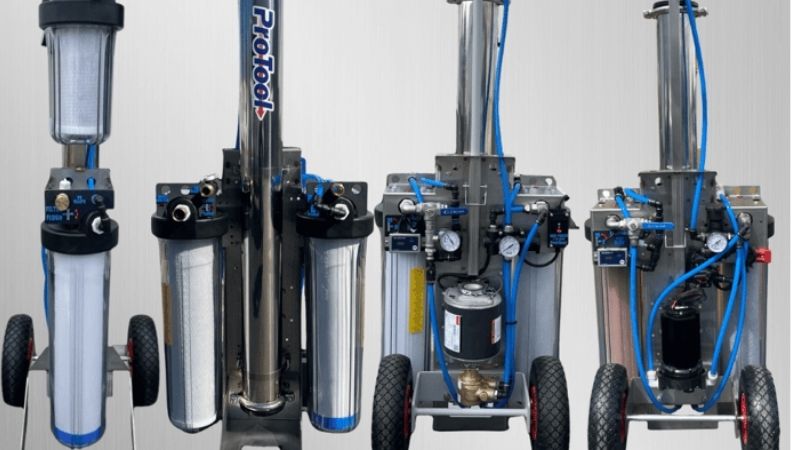
Buying RO-Only Instead of RO/DI
The most common error is treating RO and RO/DI as interchangeable, when only the DI stage brings water to the near-zero TDS a reef needs. Stepping from an RO-only setup to an RO/DI Value build costs only about $18, near 11.1 percent, which is small insurance against water that never quite reaches zero.
RO alone can leave measurable TDS that ruins a salt mix or stresses sensitive livestock, so the DI polish is not optional for those uses. Because the price gap is minor, skipping DI to save it is usually a false economy, especially once you factor in the cost of the problems stray dissolved solids cause.
Sizing by Tank Gallons, Not GPD
A close second is reading the tank’s gallon figure as the output you need, when the two are unrelated. Display volume is context only; required output follows how much water you change and how long a batch can run, so a 75-gallon tank does not really call for a 75 GPD membrane at all.
Sizing this way leads people to overbuy output they never use or underbuy for their real batch. Calculate from your change size and available hours instead, since that is the number that actually determines whether a unit keeps up, and it rarely lines up with the gallons printed on the aquarium.
Ignoring Chloramine and Stage Count
Many buyers pick a stage count as if more is automatically better, missing that the right number depends on their disinfectant. Chloramine needs dual-carbon pretreatment, and stepping from a four-stage Value to a five-stage Premium costs about $45, near 25.0 percent, which buys chloramine protection, not quality.
Choosing a low-chlorine build for chloraminated water lets it slip through and exhaust DI resin fast, quietly inflating the recurring media bill. Testing your water first, since chloramine is common and tasteless, prevents this, and it also stops buyers from paying for extra stages their supply never actually taxes.
Overlooking Feed Pressure
The last frequent mistake is assuming rated output regardless of household pressure. Membranes need a minimum PSI to hit their rating, so a soft line leaves a 150 GPD unit underperforming and wasting more water, which people often misread as a defective product rather than a pressure shortfall.
Stepping to a Premium Plus package adds about $18, near 8.0 percent, mostly for pretreatment, and does nothing to fix low pressure. Measuring your line before buying tells you whether you need a lower-pressure unit or a booster, so you match the membrane to your plumbing instead of blaming the membrane for it.
Top Picks
These examples illustrate the trade-offs behind each mistake rather than crowning one winner, since the right build depends on your water and pressure. Each row pairs a unit with the error it helps you avoid, so read them as lessons in matching architecture to your situation, not as a fixed ranking.
| Product | Best For | Key Spec | Watch Out For |
|---|---|---|---|
| BRS 4 Stage Value 100 | Avoiding the RO-only trap | RO/DI, +$18 over RO-only | No chloramine carbon; ~under $200 |
| BRS 5 Stage Premium 100 | Chloramine protection | Dual carbon, +$45 over Value | 3:1 waste; ~under $250 |
| BRS 5 Stage Premium Plus 100 | Softer pressure, chloramine | 50 PSI minimum, dual carbon | 3:1 waste; ~under $300 |
| BRS 4 Stage Value Plus 75 | Right-sizing small routines | 75 GPD, TDS+PSI+flush | No chloramine carbon; ~under $250 |
BRS 4 Stage Value 100
As the antidote to the RO-only mistake, the BRS 4 Stage Value 100 is a true RO/DI at around $200 as of 09/28/2026, about $18 over a comparable RO-only setup. That DI stage is what actually reaches near-zero TDS, so for salt mixing or sensitive livestock it is the difference between clean and merely filtered water.
Its four stages target low-chlorine supplies, so it is the wrong unit on chloramine, and it wants 65 PSI for full output. Read it as the baseline correct architecture rather than the most capable build, since the point here is that skipping DI to save eighteen dollars rarely pays off in practice.
BRS 5 Stage Premium 100
To illustrate the chloramine lesson, the BRS 5 Stage Premium 100 adds dual-carbon pretreatment for around $225 as of 09/28/2026, about $45 over the four-stage Value. That step buys protection for the membrane and DI resin on chloraminated water, not a percentage jump in filtration quality you can point to.
Its 3:1 reject ratio sends about thirty gallons to drain per ten produced, which is the trade for that pretreatment depth. It is the right example when your tap carries chloramine, but on chloramine-free water the extra carbon is spend you do not need, which is precisely the sizing judgment this article is about.
BRS 5 Stage Premium Plus 100
For the pressure-and-chloramine combination, the BRS 5 Stage Premium Plus 100 keeps dual carbon while dropping the minimum to 50 PSI, around $300 as of 09/28/2026. On a soft line it often reaches closer to its rating than a starved higher-output unit, which sidesteps the pressure and chloramine mistakes together.
The trade-offs are the same 3:1 waste and a middling 100 GPD output. It shows how pressure and chemistry interact: paying up for a Premium Plus package fixes pretreatment but not low pressure, so this unit earns its place specifically when both your disinfectant and your plumbing are working against you.
BRS 4 Stage Value Plus 75
As the right-sizing example, the BRS 4 Stage Value Plus 75 pairs modest 75 GPD output with a TDS meter, pressure gauge and flush valve for around $225 as of 09/28/2026. It demonstrates matching output to a small routine rather than to a tank’s gallon figure, which is the sizing mistake in reverse.
It shares the low-chlorine limitation, so confirm your disinfectant before buying, and it wants 65 PSI for full output. The gauges also help you catch the pressure and media problems early, which is why included monitoring is often worth more than raw output when you are trying to avoid these very mistakes.
Frequently Asked Questions
Buyers repeatedly ask whether GPD should track tank size, whether RO is good enough, how stage count relates to quality, and whether they need a TDS meter. The answers below put numbers on each, so you can sidestep the errors that lead to buying the wrong unit and paying for it later.
Should GPD Match My Tank’s Gallons?
No; the two numbers are unrelated. GPD measures daily output, while tank gallons describe volume, so a 75-gallon tank does not need a 75 GPD unit. Size instead from your change size and available hours, since that is what actually decides whether a membrane keeps up with your routine.
Reading gallons as output leads to overbuying or underbuying, both of which cost money. Feed pressure and inlet chemistry cap real output more than tank size ever does, so measure your line and calculate your batch before assuming the biggest number on the box is the one your aquarium requires.
Is RO Water Good Enough Without DI?
For reef and sensitive livestock, usually not. RO alone can leave measurable TDS that ruins a salt mix or stresses animals, while the DI stage brings water to near zero. Since adding DI costs only about $18, near 11.1 percent, over an RO-only setup, skipping it to save that is rarely worthwhile.
For some freshwater uses with tolerant fish, RO water may be acceptable, so the answer depends on your livestock. When zero TDS matters, though, treat DI as part of the required architecture rather than an optional extra, because the problems stray dissolved solids cause cost far more than the polish stage.
Does a Higher Stage Count Mean Better Water?
Not on its own. Stage count should match your disinfectant, not climb for its own sake, and stepping from four to five stages costs about $45, near 25.0 percent, largely for chloramine-handling carbon rather than a quality score. Extra stages your water never taxes just raise the recurring media bill.
Chloraminated supplies genuinely need the added carbon, while clean water does not, so the right count is set by testing your tap. Reading more stages as automatically better water is the mistake; matching stages to what your source actually carries is the fix, and it keeps DI resin from exhausting early.
Do I Really Need a TDS Meter?
Yes; it is the cheapest way to avoid the other mistakes. A TDS meter tells you when the membrane or DI resin is spent before finished water quality slips, which is otherwise impossible to judge by eye. Without it, you cannot confirm the DI stage is even doing its job on a reef system.
It also reveals pressure and chemistry problems early, since falling rejection often shows up as a rising reading. For a modest cost it protects the media you keep buying and the livestock you are trying to keep, which is why leaving it out is itself one of the more expensive buying errors.
Final Thoughts
The common mistakes when buying rodi system gear share one root: treating unrelated numbers as if they matched. Do not read tank gallons as required GPD or RO as RO/DI, match stages to your disinfectant not a stage-count race, and measure feed pressure before trusting a rating, so your first purchase is right.

Buy Tanks on Amazon: 6 Picks Worth Ordering (2026)
How to Clean Fish Tank Gravel: Method, Depth and Mistakes