Last Updated: October 21, 2026
- Why You Should Never Fully Clean a Tank
- Tools You Will Need
- Step-by-Step: Routine Tank Cleaning
- How Often to Clean
- Cleaning the Filter Without Killing Bacteria
- Dealing With Algae
- The Science Behind Partial Water Changes
- Cleaning Different Tank Surfaces and Decor
- Maintaining Stable Conditions During Cleaning
- Top-Rated Picks
- Frequently Asked Questions
- Conclusion
- Related Articles
- Related Guides
⚡ Key Takeaways
- The single biggest cleaning mistake is doing too much at once.
- Gather your supplies before you begin so the process flows smoothly:
- Cleaning frequency depends on tank size, stocking, and filtration.
- Your filter holds the largest concentration of beneficial bacteria, so it requires special care.
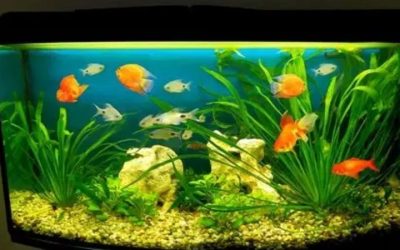
Learning how to clean a fish tank the right way is one of the most important habits in fishkeeping, yet it is also one of the most misunderstood. Many beginners believe cleaning means emptying the tank, scrubbing everything, and starting fresh, but that approach destroys the beneficial bacteria your fish depend on and triggers dangerous ammonia spikes. Proper aquarium cleaning is gentle, partial, and routine. It removes waste and algae while preserving the biological balance that keeps your water safe. Done correctly, a cleaning takes 20 to 30 minutes and leaves your fish healthier and your tank crystal clear.
As an Amazon Associate we earn from qualifying purchases at no extra cost to you.






🛒 Best Price Today on Amazon
Prime members get fast, free shipping on everything above, plus member-only deals. New members get a 30-day free trial — cancel anytime.
Why You Should Never Fully Clean a Tank
The single biggest cleaning mistake is doing too much at once. Your aquarium relies on colonies of nitrifying bacteria living in the filter, gravel, and on surfaces. These bacteria convert toxic ammonia into nitrite and then into far safer nitrate. If you scrub every surface, replace all the water, and rinse the filter in tap water, you wipe out that bacterial colony and send your tank back to square one. The result is new tank syndrome, ammonia poisoning, and stressed or dying fish. The golden rule is to clean only part of the system at any one time.
Tools You Will Need
Gather your supplies before you begin so the process flows smoothly:
- A gravel vacuum or siphon
- Two clean buckets dedicated to aquarium use only
- An algae scraper or magnet cleaner
- A water conditioner or dechlorinator
- A clean sponge or filter floss for media
- An aquarium water test kit to verify parameters
Never use household soap, detergent, or chemical cleaners on anything that touches the tank. Even trace residues are toxic to fish.
Step-by-Step: Routine Tank Cleaning
- Unplug heaters and filters. Turning off equipment prevents heaters from cracking when exposed to air and stops the filter from running dry.
- Scrape algae from the glass. Use an algae scraper or magnet on the inside walls before you remove water, so debris gets siphoned out.
- Vacuum the gravel. Push the siphon into the substrate to pull out trapped waste and uneaten food. Work across about a third of the gravel each session to avoid disturbing too much bacteria.
- Remove 20 to 30% of the water. The gravel vacuum draws water into your bucket as you clean, so this happens naturally.
- Wipe decorations and trim plants as needed, rinsing ornaments in old tank water rather than tap water.
- Refill with conditioned water. Match the temperature to the tank and add dechlorinator to the new water before it goes in.
- Restart equipment once the water level is restored.
How Often to Clean
Cleaning frequency depends on tank size, stocking, and filtration. The table below gives a reliable starting schedule, which you should adjust based on your water test results.
| Task | Frequency | Notes |
|---|---|---|
| Partial water change (20-30%) | Weekly | Adjust to keep nitrate under 20-40 ppm |
| Gravel vacuuming | Weekly with water change | Rotate sections of substrate |
| Glass/algae cleaning | Weekly or as needed | More often in bright light |
| Filter media rinse | Every 3-4 weeks | Rinse in old tank water only |
| Full equipment inspection | Monthly | Check heater, pumps, seals |
Cleaning the Filter Without Killing Bacteria
Your filter holds the largest concentration of beneficial bacteria, so it requires special care. Clean the filter on a different day than your water change to avoid disturbing too much of the colony at once. Squeeze and rinse sponges and media only in a bucket of old tank water, never under the tap, because chlorine instantly kills nitrifying bacteria. Replace media gradually, swapping out only one component at a time so the bacterial population always has a home. If flow has dropped, a gentle rinse usually restores it.
Dealing With Algae
Algae is a normal part of every aquarium, but excess growth signals too much light or nutrients. Reduce lighting to eight to ten hours a day, avoid placing the tank in direct sunlight, and do not overfeed, since leftover food fuels algae. Manual removal with a scraper handles the glass, while algae-eating fish and snails help control it naturally. Good water movement also discourages algae from settling; an aquarium wave maker eliminates stagnant zones where algae and debris accumulate.
The Science Behind Partial Water Changes
Understanding why partial water changes work makes it easier to stick to a good routine. In a sealed aquarium, nitrate steadily accumulates as the end product of the nitrogen cycle, and unlike ammonia and nitrite, no bacteria remove it under normal conditions. Trace pollutants, dissolved organic compounds, and hormones also build up over time, while essential minerals that buffer pH gradually deplete. A partial water change is the simplest tool to address all of these at once: removing 25% of the water removes roughly 25% of the accumulated nitrate and pollutants, and the fresh dechlorinated replacement water restores depleted minerals and buffering capacity. This is why regular small water changes outperform infrequent large ones; they keep parameters in a narrow, stable band rather than letting pollutants climb and then crash with a massive change. Testing your nitrate before and after a change shows the effect clearly and helps you dial in the right frequency for your specific stocking level.
Cleaning Different Tank Surfaces and Decor
Beyond glass and gravel, the various surfaces in your tank need occasional attention without disrupting the biological balance. Artificial decorations and rocks can be removed and scrubbed with an aquarium-dedicated brush under running water, or soaked in a diluted bleach solution followed by a thorough rinse and dechlorinator soak for stubborn algae, though many aquarists simply rinse them in old tank water. Driftwood should generally be left alone, since scrubbing it can release tannins and disturb beneficial biofilm that fish graze on. Live plants need only gentle care: trim dead or yellowing leaves and rinse off visible debris, but avoid harsh handling. Aquarium glass lids and light covers accumulate mineral deposits and algae that dim the light, so wiping them periodically with a damp cloth or vinegar solution keeps your lighting bright and your viewing clear. Always rinse anything treated with cleaning agents until no residue remains before returning it to the tank.
Maintaining Stable Conditions During Cleaning
Sudden changes during cleaning stress fish more than a little dirt ever could. Always match the temperature of replacement water to your tank, checking with an aquarium thermometer before adding it. Keep the volume change moderate at 20 to 30% so chemistry stays stable. Feeding lightly with a quality fish food between cleanings also keeps the tank cleaner, because fish produce less waste when they are not overfed.
Top-Rated Picks


Best Seller
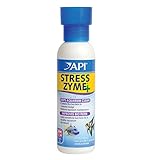
API STRESS ZYME Bacterial cleaner, Freshwater and Saltwater Aquarium Water Cleaning Solution, 4 oz


| Product | Brand |
|---|---|
| Aqueon Shrimp Pellets Sinking Food for Tropical Fish,… | Aqueon |
| API BOTTOM FEEDER PELLETS WITH SQUID Fish Food 1.3-Ou… | API |
| Tetra ShrimpWafers Complete Diet for Catfish and Loac… | Tetra |
| Hikari Tropical Sinking Wafers for Catfish, Loaches a… | Hikari |
| Ultra Fresh Bottom Feeder Fish Food, Sword Prawns, Na… | UltraFresh-ShrimpDelight |
Frequently Asked Questions
How often should I clean my fish tank?
A 20 to 30% water change with gravel vacuuming once a week suits most aquariums. Lightly stocked or heavily planted tanks may need less, while crowded tanks may need more. Let your nitrate readings guide the schedule.
Should I remove my fish when cleaning?
No. Removing fish causes unnecessary stress and risk. Routine partial cleanings are done with the fish in the tank. Only remove fish for a full tear-down, which is rarely necessary.
Can I use tap water to clean my filter?
Never rinse filter media in tap water. Chlorine and chloramine kill the beneficial bacteria living in the media. Always rinse in a bucket of old tank water to preserve the colony.
Why is my tank dirty again so quickly?
Rapid fouling usually means overfeeding, overstocking, or inadequate filtration. Cut back on food, check your stocking level, and ensure your filter is rated for your tank size to slow the buildup.
Do I need to clean a tank with live plants?
Yes, but less aggressively. Planted tanks still need water changes and gentle gravel cleaning, though plants absorb some waste and help keep water clean naturally. Avoid disturbing rooted plants during vacuuming.
Conclusion
Cleaning a fish tank well is about restraint and routine rather than scrubbing everything in sight. Stick to partial water changes, rotate your gravel vacuuming, rinse filter media in old tank water, and never strip the tank down to bare glass. Keep temperature and chemistry stable, test your water to fine-tune your schedule, and your aquarium will reward you with clear water, healthy bacteria, and thriving fish for years.
Aquarium Plant Nutrient Deficiencies: A Visual Diagnosis Guide
Nano Aquarium Setup Guide: How It Works and What to Watch