Last Updated: October 21, 2026
- The Short Answer for Beginners
- Side-by-Side Comparison
- Cost Differences Explained
- Maintenance and Stability
- Livestock and Aesthetics
- Which Should You Choose?
- Temperature Stability Matters in Both
- The Learning Curve Compared
- Brackish Water: A Middle Ground
- Matching the Hobby to Your Lifestyle
- Frequently Asked Questions
- Conclusion
- Related Articles
⚡ Key Takeaways


As an Amazon Associate we earn from qualifying purchases at no extra cost to you.





- For most newcomers, a freshwater aquarium is the better starting point.
- Freshwater setups need only the basics: a tank, filter, heater, substrate, and a few decorations.
- You must mix salt to the correct specific gravity, test additional parameters like salinity, calcium, alkalinity, and magnesium, and maintain very stable conditions for corals.
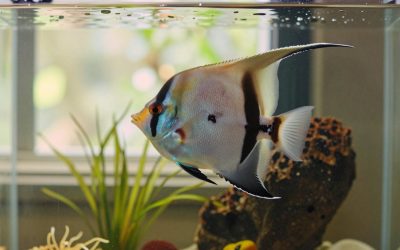
- Freshwater offers a huge range of colorful and interesting fish, from neon tetras and bettas to cichlids and catfish, along with live plants that create lush aquascapes.
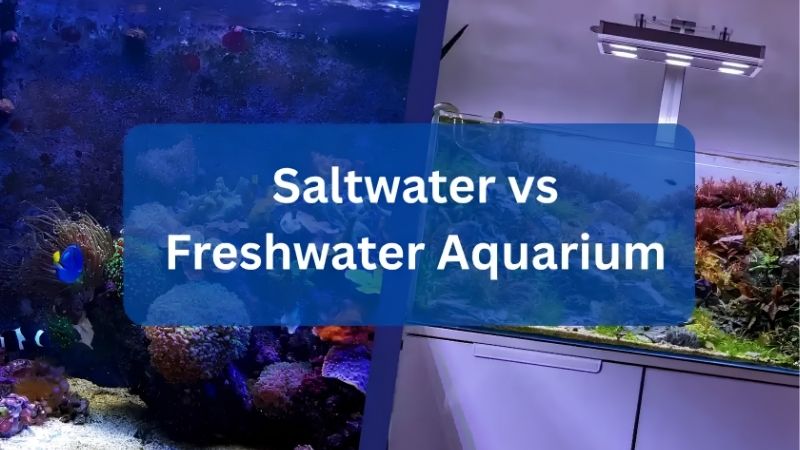
One of the biggest decisions a new hobbyist faces is the freshwater vs saltwater aquarium question. Both can be stunningly beautiful and deeply rewarding, but they differ significantly in cost, complexity, maintenance, and the kinds of livestock they support. Choosing the right path from the start saves money, frustration, and heartache. This comparison breaks down the real differences between the two so you can decide which type of aquarium fits your budget, your patience, and your goals as a fishkeeper.
🛒 Best Price Today on Amazon
Prime members get fast, free shipping on everything above, plus member-only deals. New members get a 30-day free trial — cancel anytime.
Start 30-Day Prime Free Trial →See Today’s Amazon DealsThe Short Answer for Beginners
For most newcomers, a freshwater aquarium is the better starting point. It is more affordable, more forgiving of mistakes, and easier to maintain, which makes it an ideal training ground. Saltwater offers more vibrant fish and the magic of coral reefs, but it demands more equipment, money, and precision. Many successful reef keepers begin with freshwater and graduate to saltwater once they have the fundamentals down.
Side-by-Side Comparison
| Factor | Freshwater | Saltwater |
|---|---|---|
| Startup cost | Lower | Higher |
| Maintenance | Simpler | More involved |
| Equipment | Basic filter, heater | Protein skimmer, powerheads, RO/DI |
| Livestock cost | Inexpensive | Expensive |
| Color variety | Good | Exceptional |
| Margin for error | Forgiving | Less forgiving |
| Coral/invertebrates | Limited | Extensive |
Cost Differences Explained
Freshwater setups need only the basics: a tank, filter, heater, substrate, and a few decorations. Saltwater systems require additional gear like a protein skimmer, strong circulation pumps, often a reverse osmosis unit for pure water, and marine salt mix. Livestock costs differ too; freshwater community fish often cost a few dollars each, while marine fish and corals can run from tens to hundreds of dollars. Reef tanks may also need specialized lighting and, for sensitive corals, a chiller to manage temperature.
Maintenance and Stability
Both tank types rely on the same nitrogen cycle and need regular water changes, but saltwater adds extra steps. You must mix salt to the correct specific gravity, test additional parameters like salinity, calcium, alkalinity, and magnesium, and maintain very stable conditions for corals. Freshwater, by contrast, is more tolerant of small parameter swings. In both cases, a quality water test kit is essential, though saltwater keepers test a wider range of values.
Equipment Each Type Needs
- Freshwater: tank, filter, heater, thermometer, substrate, dechlorinator, test kit
- Saltwater: all of the above plus a protein skimmer, powerheads, marine salt, hydrometer or refractometer, and often an RO/DI unit
- Reef-specific: high-output lighting, dosing for calcium and alkalinity, and sometimes a chiller
Strong, varied water movement is especially important in saltwater and reef tanks. A reliable wave maker recreates the currents corals and marine fish depend on.
Livestock and Aesthetics
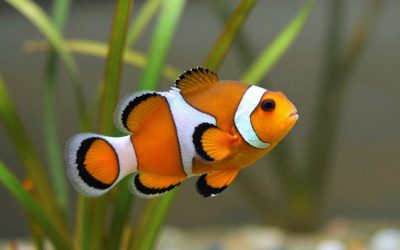
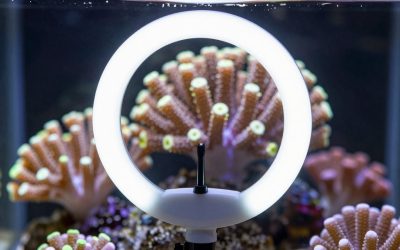
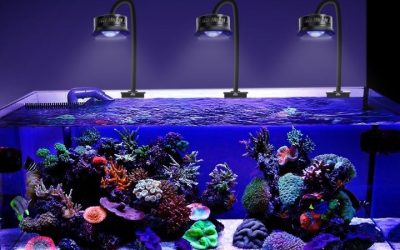
Freshwater offers a huge range of colorful and interesting fish, from neon tetras and bettas to cichlids and catfish, along with live plants that create lush aquascapes. Saltwater is unmatched for sheer color and the otherworldly beauty of corals, anemones, clownfish, tangs, and invertebrates. If a vibrant living reef is your dream, saltwater is the only route, but be prepared for the added commitment.
Which Should You Choose?
- Choose freshwater if you are new to the hobby, want lower costs, prefer simpler maintenance, or are unsure how committed you will be.
- Choose saltwater if you are drawn specifically to reef tanks and marine species, have a healthy budget, and are ready to invest time in careful parameter management.
- Consider a path where you start freshwater to learn the fundamentals, then move to saltwater once water chemistry and maintenance feel routine.
Temperature Stability Matters in Both
Whether freshwater or saltwater, stable temperature protects your livestock. Tropical freshwater fish need a steady 76 to 80 degrees Fahrenheit, while reef systems are even more sensitive to swings. A dependable heater, an accurate thermometer, and in warm climates a chiller, all help keep conditions within the narrow range your animals require.
The Learning Curve Compared
Beyond cost and equipment, the two paths differ sharply in how much you must learn before you succeed. Freshwater asks you to master the nitrogen cycle, basic water changes, and stocking. Once those fundamentals click, a freshwater community tank largely runs itself with weekly maintenance. The margin for error is generous, so the occasional missed test or slightly late water change rarely ends in disaster.
Saltwater compresses far more knowledge into the early stages. You must understand salinity and how to mix and measure it, the additional chemistry of calcium, alkalinity, and magnesium for corals, and the tighter tolerances that reef inhabitants demand. None of this is beyond a motivated beginner, but it represents a steeper climb. Many hobbyists find that the discipline they build keeping a freshwater tank transfers directly to saltwater, making the eventual transition smoother and less expensive in mistakes.
Brackish Water: A Middle Ground
A third option worth knowing about is the brackish aquarium, which sits between fresh and salt. Brackish tanks use a low concentration of marine salt to mimic estuaries where rivers meet the sea. They host fascinating species like mollies, figure-eight pufferfish, and archerfish that thrive in this in-between environment.
Brackish setups are less common and have a smaller community of keepers, but they offer a gentle step toward marine chemistry without the full cost and complexity of a reef. For hobbyists curious about saltwater but not ready to commit, a brackish tank can be an intriguing stepping stone that introduces salinity management on a more forgiving scale.
Matching the Hobby to Your Lifestyle
- Budget: freshwater suits tighter budgets; saltwater requires meaningful ongoing investment.
- Time: freshwater needs less frequent and less precise maintenance.
- Goals: if a living coral reef is the dream, only saltwater delivers it.
- Travel: freshwater tanks tolerate short absences better than reef systems.
- Patience: saltwater rewards careful, consistent attention to detail.
The honest question is not which tank is objectively better but which fits your life right now. Either choice can become a lifelong passion when matched to your circumstances.
Frequently Asked Questions
Is saltwater really harder than freshwater?
Generally yes. Saltwater requires more equipment, more parameters to monitor, and tighter stability, especially for corals. Freshwater is more forgiving of small mistakes, making it easier for beginners.
How much more does a saltwater tank cost?
Saltwater setups often cost two to three times more than comparable freshwater tanks once you factor in equipment, salt, and livestock. Reef tanks with corals can be considerably more expensive.
Can I switch from freshwater to saltwater later?
Yes. The glass tank itself can often be reused, but you will need to add marine-specific equipment and start a new cycle. Many hobbyists make this transition after gaining experience.
Do both tank types need the nitrogen cycle?
Absolutely. Both freshwater and saltwater tanks must be cycled before adding fish, since the same beneficial bacteria process toxic ammonia in each system.
Which has more colorful fish?
Saltwater wins on raw color and the dazzling variety of reef life, but freshwater still offers plenty of vibrant species and the beauty of planted aquascapes at a fraction of the cost.
Is a brackish tank a good compromise?
For the curious, yes. Brackish tanks introduce salinity management on a more forgiving scale than a full reef, and they host unique species like puffers and archerfish. They sit comfortably between freshwater simplicity and saltwater complexity.
How much time does each type take to maintain?
Freshwater typically needs a weekly water change and occasional testing. Saltwater demands more frequent parameter checks, salt mixing, and equipment monitoring, especially in reef systems, so plan for a larger ongoing time commitment.
Can I keep corals in a freshwater tank?
No. Corals are marine animals that require saltwater and stable reef parameters. Freshwater tanks can showcase live plants and driftwood aquascapes instead, which offer their own distinct beauty.
Conclusion
The freshwater vs saltwater aquarium decision comes down to your budget, patience, and the vision you have for your tank. Freshwater is the practical, forgiving choice for most beginners, while saltwater rewards dedicated hobbyists with unrivaled color and living reefs. Whichever you choose, mastering the nitrogen cycle, testing your water, and keeping conditions stable will set you up for success in either world.
Best All in One Automation Bundle for Reef: Top Smart Picks

Quick Picks: Best Aquarium Water Change Pumps &…