Last Updated: October 21, 2026
- Why Algae Grows in the First Place
- Identifying Common Algae Types
- How to Get Rid of Algae Step by Step
- The Role of Testing and Balance
- Preventing Algae Long Term
- Why Reactive Scrubbing Never Works
- How Live Plants Outcompete Algae
- Lighting: The Master Switch
- Frequently Asked Questions
- Conclusion
- Related Articles
⚡ Key Takeaways


As an Amazon Associate we earn from qualifying purchases at no extra cost to you.



- Algae needs two things to flourish: light and nutrients, primarily nitrate and phosphate.
- Wiping it off and adding algae-eating creatures like nerite snails or otocinclus catfish speeds the process.
- Because algae feeds on nitrate and phosphate, tracking these with a water test kit tells you whether your nutrient control is working.
- Lasting algae control comes from prevention, not reaction.
Sooner or later, every aquarist needs to learn how to get rid of aquarium algae. Those green, brown, or stringy growths on the glass, decor, and substrate are among the most common frustrations in the hobby. The encouraging news is that algae is not a sign of failure; it is simply a response to an imbalance of light and nutrients. Once you understand what fuels it, you can attack the root cause rather than endlessly scrubbing. This guide covers the major algae types, why they appear, and exactly how to eliminate each one.
🛒 Best Price Today on Amazon
Prime members get fast, free shipping on everything above, plus member-only deals. New members get a 30-day free trial — cancel anytime.
Why Algae Grows in the First Place
Algae needs two things to flourish: light and nutrients, primarily nitrate and phosphate. When either is in excess, algae takes advantage. Common triggers include leaving lights on too long, placing the tank in direct sunlight, overfeeding, overstocking, and skipping water changes. Treating algae is really about restoring balance between the light and nutrients available and what your plants and fish can use.
Identifying Common Algae Types
| Algae Type | Appearance | Main Cause |
|---|---|---|
| Green spot algae | Hard green dots on glass | Strong light, low phosphate |
| Green water | Cloudy green water | Excess light and nutrients |
| Brown (diatom) algae | Brown dusty film | New tanks, silicates |
| Hair/thread algae | Long green strands | Excess light and nutrients |
| Black beard algae | Dark fuzzy tufts | Fluctuating CO2, high light |
| Blue-green (cyanobacteria) | Slimy sheets, foul smell | Poor flow, excess nutrients |
Brown Diatom Algae
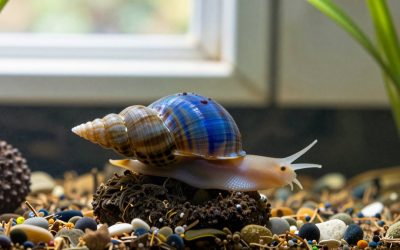
This dusty brown film is extremely common in new tanks, where it feeds on silicates leaching from substrate and glass. It usually disappears on its own within a few weeks as the tank matures. Wiping it off and adding algae-eating creatures like nerite snails or otocinclus catfish speeds the process.
Green Spot and Hair Algae
Green spot algae forms hard dots on glass and slow-growing plants, while hair algae trails in long strands. Both thrive on excess light. Reducing your photoperiod and trimming affected leaves, combined with consistent nutrient control, brings them under control.
Black Beard Algae
This stubborn dark algae often results from inconsistent CO2 or strong lighting in planted tanks. It clings tightly to decor and plant edges. Spot-treating affected surfaces with liquid carbon and improving CO2 stability are the most effective approaches.
Blue-Green Algae (Cyanobacteria)
Despite its name, this slimy, foul-smelling growth is actually a bacteria. It thrives where flow is poor and nutrients are high. Improving circulation is key, and a wave maker that eliminates stagnant pockets often clears it for good.
How to Get Rid of Algae Step by Step
- Reduce lighting. Limit your photoperiod to six to eight hours a day and keep the tank out of direct sunlight.
- Cut nutrients at the source. Feed less, remove uneaten food, and avoid overstocking to lower nitrate and phosphate.
- Increase water changes. Regular partial changes dilute the nutrients algae depends on.
- Add a cleanup crew. Nerite snails, amano shrimp, otocinclus, and siamese algae eaters graze on many algae types.
- Add live plants. Fast-growing plants outcompete algae for nutrients, starving it out.
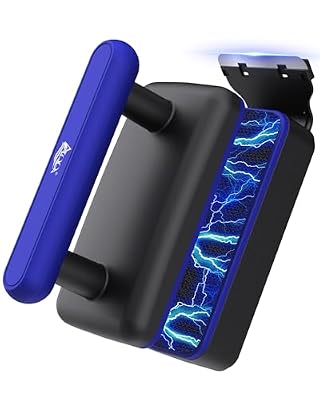
- Manually remove what you can. Scrape glass, trim leaves, and siphon out loose algae during water changes.
The Role of Testing and Balance
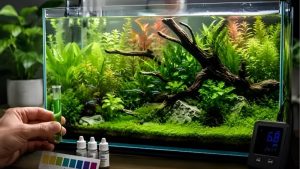
Because algae feeds on nitrate and phosphate, tracking these with a water test kit tells you whether your nutrient control is working. If nitrate stays high, your feeding or water change routine needs adjustment. The goal is a stable balance where plants and fish thrive while algae has nothing extra to consume.
Algae-Eating Animals Worth Considering
- Nerite snails graze glass and decor without breeding in freshwater
- Amano shrimp tackle hair and thread algae aggressively
- Otocinclus catfish clean soft algae and biofilm from leaves
- Siamese algae eaters are among the few that eat black beard algae
- Bristlenose plecos graze surfaces in larger tanks
Preventing Algae Long Term
Lasting algae control comes from prevention, not reaction. Keep lighting moderate, feed conservatively, change water consistently, and maintain healthy plant growth. Stable temperature supports plant health and helps keep the whole system balanced, so a reliable thermometer is a worthwhile part of your toolkit. With balance restored, algae fades into a minor, manageable presence rather than a constant battle.
Why Reactive Scrubbing Never Works
Many frustrated aquarists fall into a cycle of scrubbing algae off the glass every few days, only to watch it return just as fast. The reason is simple: scrubbing removes the symptom but leaves the cause untouched. As long as excess light and nutrients remain, algae will keep regrowing on every available surface. Manual removal is a useful part of treatment, but on its own it is an endless chore.
The lasting fix is to address the inputs. Cutting your photoperiod, reducing feeding, increasing water changes, and adding live plants all reduce the resources algae depends on. Once you starve algae of its fuel, the small amount you scrape away stops coming back at the same pace. Think of manual removal as cleanup after you have already turned off the tap, not as the solution itself.
How Live Plants Outcompete Algae
Live plants are arguably the single most powerful algae control tool available, and the mechanism is competition. Plants and algae draw from the same pool of nutrients, primarily nitrate, phosphate, and trace elements. A tank packed with healthy, fast-growing plants consumes these nutrients so efficiently that algae is left with scraps and simply cannot establish.
The key is healthy plant growth. Struggling, melting plants release nutrients back into the water and actually feed algae, so the goal is a thriving planted environment, not just a few token stems. Fast-growing species like hornwort, water sprite, and floating plants are especially effective because they pull nutrients quickly. In a balanced planted tank, algae becomes a minor, occasional nuisance rather than a constant battle, which is why experienced aquascapers rely on plant mass as their primary defense.
Lighting: The Master Switch
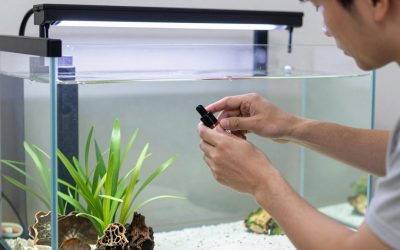
If nutrients are the fuel, light is the ignition. Algae cannot photosynthesize without it, which makes your lighting schedule the most powerful lever you control. Many outbreaks trace directly to lights running ten or twelve hours a day, or to a tank sitting where afternoon sun streams in. Putting your aquarium light on a timer set to six to eight hours brings instant, dramatic improvement in most cases.
In non-planted tanks you can run even shorter photoperiods, since the fish do not need the light at all. In planted tanks, you balance enough light for the plants against not so much that algae flourishes. Either way, controlling light is usually the fastest, cheapest, and most effective step you can take.
Frequently Asked Questions
Why does my new tank have brown algae?
Brown diatom algae is normal in new tanks as it feeds on silicates. It usually clears on its own within a few weeks as the tank matures and stabilizes.
How long should I leave my aquarium light on?
Six to eight hours a day is plenty for most tanks. Longer photoperiods, especially with direct sunlight, are a leading cause of algae outbreaks.
Will algae eaters solve my problem?
They help control algae, but they cannot fix the underlying excess of light and nutrients. Use them alongside reduced lighting, careful feeding, and water changes.
Is algae harmful to my fish?
Most algae is harmless and even provides grazing. Blue-green algae (cyanobacteria) is an exception, as it can release toxins and should be removed promptly.
How do I get rid of black beard algae?
Spot-treat it with liquid carbon, stabilize CO2 in planted tanks, reduce light, and add siamese algae eaters, which are one of the few species that consume it.
Conclusion
Learning how to get rid of aquarium algae comes down to one principle: control light and nutrients. Identify which algae you have, reduce its fuel, add a capable cleanup crew, and lean on live plants to outcompete it. With a balanced, well-maintained tank, algae stops being an enemy and becomes just another easily managed part of a thriving aquarium.
Amano Shrimp Care Guide: The Ultimate Algae Eater for Your Tank
Best Medication for Ich in Aquarium: A Careful Buyer Guide