Last Updated: October 21, 2026
- What Causes Green Aquarium Water
- Is Green Water Harmful to Fish?
- How to Diagnose the Root Cause
- How to Clear Green Water
- Preventing Green Water From Returning
- Green Water Versus Other Types of Algae
- Using a UV Sterilizer Effectively
- Monitoring Oxygen During a Bloom
- Frequently Asked Questions
- Conclusion
- Related Articles
⚡ Key Takeaways
As an Amazon Associate we earn from qualifying purchases at no extra cost to you.





- Green water is a population explosion of single-celled algae suspended throughout the water column, distinct from the algae that coats glass and decorations.
- In fact, phytoplankton is used intentionally to raise fry and feed filter feeders.
- Clearing green water permanently requires identifying which factor is fueling it.
- Once you know the cause, several proven methods clear the bloom:
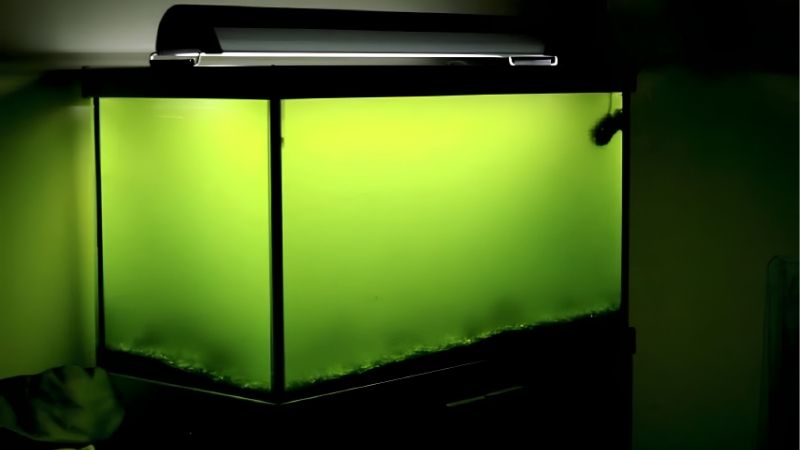
If you are staring at a tank that has suddenly turned the color of pea soup, you are dealing with one of the most common questions in the hobby: why is my aquarium water green? Green water is caused by a bloom of free-floating microscopic algae, often called green water algae or phytoplankton, that multiplies explosively when conditions favor it. While alarming to look at, green water is rarely an immediate threat to your fish; it is a symptom of an imbalance between light and nutrients. Understanding what fuels the bloom is the key to clearing it for good rather than fighting it endlessly.
🛒 Best Price Today on Amazon
Prime members get fast, free shipping on everything above, plus member-only deals. New members get a 30-day free trial — cancel anytime.
Start 30-Day Prime Free Trial →See Today’s Amazon DealsWhat Causes Green Aquarium Water
Green water is a population explosion of single-celled algae suspended throughout the water column, distinct from the algae that coats glass and decorations. Three conditions must combine for a bloom to take off: excess light, excess nutrients, and warm temperatures. Remove or reduce any one of these and the algae cannot sustain its numbers. The most common triggers are:
- Too much light from leaving the aquarium lights on too long or placing the tank in direct sunlight.
- Excess nutrients from overfeeding, overstocking, or infrequent water changes, which raise nitrate and phosphate.
- A new or immature tank where the biological balance has not yet stabilized.
- Disturbed substrate releasing trapped nutrients into the water.
Is Green Water Harmful to Fish?
Here is the reassuring news: green water itself is generally not directly harmful to fish. In fact, phytoplankton is used intentionally to raise fry and feed filter feeders. The real concerns are practical and secondary. A dense bloom can deplete oxygen overnight as the algae respire in darkness, potentially leaving fish gasping by morning. It also blocks light from your live plants and makes it impossible to see and monitor your fish for signs of illness. So while you do not need to panic, you should address green water to protect oxygen levels and restore visibility.
| Cause | How to Identify | Primary Fix |
|---|---|---|
| Excess light | Tank near window or long light hours | Reduce lighting, block sunlight |
| Overfeeding | Leftover food, high nitrate | Feed less, remove waste |
| High nitrate/phosphate | Test kit reads elevated levels | Water changes, reduce bioload |
| New tank imbalance | Bloom in tank under 2 months old | Patience, stable maintenance |
How to Diagnose the Root Cause
Clearing green water permanently requires identifying which factor is fueling it. Start by testing your water with an aquarium water test kit to check nitrate and phosphate levels, since elevated readings point to a nutrient problem from overfeeding or poor maintenance. Next, evaluate your lighting: count how many hours the tank is lit and whether sunlight reaches it. Finally, consider the tank’s age and stocking. A bloom in a brand-new tank often resolves as the system matures, while a bloom in an established tank usually signals a maintenance or lighting issue you can correct.
How to Clear Green Water
Once you know the cause, several proven methods clear the bloom:
- Reduce lighting. Cut your photoperiod to six to eight hours, move the tank away from windows, and block any direct sunlight. Starving the algae of light is the most important step.
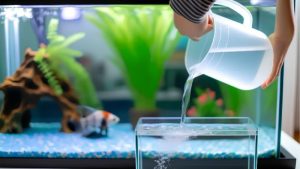
- Perform water changes. Large, frequent water changes physically remove suspended algae and lower the nutrients feeding it. Combine this with reducing feeding.
- Do a blackout. Cover the tank completely with a blanket and turn off the lights for three to four days. The algae die off without light, while your fish tolerate the darkness fine.
- Use a UV sterilizer. A UV clarifier is the fastest and most reliable cure. As water passes through, ultraviolet light kills the free-floating algae, often clearing the tank within days.
- Add fast-growing live plants. Plants like hornwort and floating species outcompete algae for nutrients, providing long-term prevention.
Preventing Green Water From Returning
Clearing the bloom is only half the battle; preventing its return means keeping light and nutrients in check. Limit lighting to a sensible photoperiod on a timer, keep the tank out of direct sun, and stay disciplined with feeding so excess does not raise nutrients. Feeding a quality fish food in modest amounts reduces the waste that fuels algae. Maintain a regular water change schedule, avoid overstocking, and ensure good circulation so nutrients do not pool; an aquarium wave maker keeps water moving and helps distribute oxygen, which is especially important during a bloom.
Green Water Versus Other Types of Algae
It is important to distinguish green water from other algae problems, because the solutions differ. Green water is specifically a bloom of free-floating, single-celled algae that turns the entire water column cloudy and green, so you cannot see clearly through the tank. This is different from green spot algae, which appears as hard green dots on the glass and decorations, or green hair and thread algae, which grows in stringy tufts on surfaces and plants. Brown algae, or diatoms, coats surfaces in a dusty brown film and is common in new tanks. Black beard algae forms dark, fuzzy patches, often on slow-growing plants and equipment. Each of these is a surface-growing algae you can physically remove or scrub, whereas green water is suspended throughout the water and cannot be wiped away. Because green water lives in the water column rather than on surfaces, it responds best to methods that target the whole volume of water, such as blackouts, UV sterilizers, and water changes, rather than the manual scraping that handles surface algae. Correctly identifying which type you have ensures you apply the right fix instead of wasting effort.
Using a UV Sterilizer Effectively
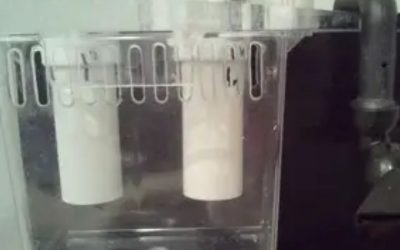
For aquarists who want the fastest, most reliable cure, a UV sterilizer deserves a closer look. A UV sterilizer is a device that passes tank water past an ultraviolet bulb inside a sealed chamber, and the UV light damages the DNA of free-floating algae, bacteria, and some parasites as they flow through. Because green water algae is suspended in the water column, it is repeatedly drawn through the unit and killed, which is why UV sterilizers clear pea-soup water within a few days where other methods take longer. To work well, the sterilizer must be sized appropriately for your tank volume and the water must flow through it slowly enough for adequate exposure, so following the manufacturer’s flow rate recommendation matters. Many hobbyists run a UV unit only when needed to clear a bloom and then turn it off, while others run it continuously for ongoing clarity. Keep in mind that a UV sterilizer treats the symptom, clearing the visible algae, so it works best alongside the root-cause fixes of reduced lighting and lower nutrients to prevent the bloom from simply returning once the unit is switched off.
Monitoring Oxygen During a Bloom
While you work to clear green water, pay close attention to oxygen and temperature. Because the algae consume oxygen at night, a heavy bloom in warm water can leave fish gasping by morning, since warm water holds less dissolved oxygen to begin with. Increase surface agitation and aeration during a bloom, and keep an eye on temperature with an aquarium thermometer so the tank does not overheat and compound the oxygen problem. Once the bloom clears, normal oxygen levels return.
Frequently Asked Questions
Will green water hurt my fish?
Green water is generally not directly harmful and is even used to feed fry. The main risks are nighttime oxygen depletion in dense blooms and loss of visibility, so it should still be addressed promptly.
What is the fastest way to clear green water?
A UV sterilizer is the quickest and most reliable fix, often clearing the tank in a few days. A complete three to four day blackout combined with water changes is an effective no-equipment alternative.
Do water changes get rid of green water?
Water changes help by removing suspended algae and the nutrients feeding it, but on their own they often provide only temporary relief. Combine them with reduced lighting to address the root cause.
Why does green water keep coming back?
Recurring blooms mean the underlying imbalance of too much light or too many nutrients remains. Reduce your photoperiod, block sunlight, cut back feeding, and keep up with water changes to prevent its return.
Does direct sunlight cause green water?
Yes. Direct sunlight is a frequent culprit because it supplies intense, prolonged light that algae thrive on. Moving the tank away from windows or blocking the light usually makes a dramatic difference.
Conclusion
Green aquarium water is a free-floating algae bloom driven by an imbalance of too much light and too many nutrients, not a sign that your tank is doomed. While it rarely harms fish directly, it threatens oxygen levels and obscures your view, so it is worth clearing. Reduce lighting, perform water changes, and consider a blackout or UV sterilizer for fast results. Then keep light and nutrients in check going forward, and your water will stay clear and your fish visible.
Related: Summer Heat: How to Keep Your Aquarium Cool (Chillers, Fans and Tips)
29 Gallon Aquarium Dimensions Size Guide With Measurements (2026)
Aquarium Turnover Rate Calculator: Numbers by Tank Size