Last Updated: October 21, 2026
- Why Bigger Tanks Are Easier for Beginners
- Essential Equipment Checklist
- Step-by-Step Setup Instructions
- The Most Important Step: Cycling
- Choosing Your First Fish
- Ongoing Maintenance Routine
- Understanding Water Parameters
- Aquascaping Your First Tank
- Avoiding Common Beginner Mistakes
- Top-Rated Picks
- Frequently Asked Questions
- Conclusion
- Related Articles
⚡ Key Takeaways
- Water parameters in a 20 or 29 gallon tank change slowly, giving you time to react before problems become emergencies.
- A dependable heater and thermometer are non-negotiable for tropical fish.
- The single biggest reason beginner fish die is being added to an uncycled tank.
- Add just a few fish at a time so the bacterial colony can scale up to the new waste load.
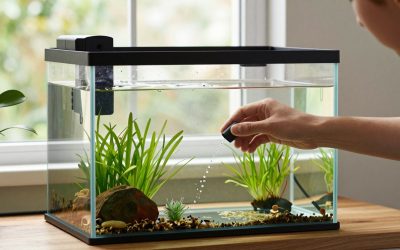
An aquarium setup for beginners does not have to be intimidating or expensive. With a clear, step-by-step approach, anyone can build a healthy freshwater tank that keeps fish happy for years. The most common mistakes new hobbyists make come from rushing, and this guide is designed to help you avoid every one of them. By the end, you will understand exactly what equipment you need, how to assemble it, and why patience during the first few weeks makes all the difference.
As an Amazon Associate we earn from qualifying purchases at no extra cost to you.


Related: best 5-gallon fish tank kits.
🛒 Best Price Today on Amazon
Prime members get fast, free shipping on everything above, plus member-only deals. New members get a 30-day free trial — cancel anytime.
Start 30-Day Prime Free Trial →See Today’s Amazon DealsWhy Bigger Tanks Are Easier for Beginners
It feels counterintuitive, but a larger aquarium is more forgiving than a small one. Water parameters in a 20 or 29 gallon tank change slowly, giving you time to react before problems become emergencies. A tiny 3 gallon bowl, by contrast, can swing from safe to deadly in hours. For most first-time owners, a 20 gallon tank hits the sweet spot of affordability, stability, and stocking flexibility.
Essential Equipment Checklist
| Item | Purpose | Beginner Tip |
|---|---|---|
| Aquarium (20+ gallons) | The main habitat | Bigger is more stable |
| Filter | Removes waste, houses bacteria | Rate it for your tank size or larger |
| Heater | Maintains stable temperature | 5 watts per gallon as a rule of thumb |
| Thermometer | Monitors water temperature | Place away from the heater |
| Substrate | Gravel or sand base | About 1 lb per gallon |
| Water test kit | Tracks the nitrogen cycle | Liquid kits beat strips |
| Dechlorinator | Neutralizes tap water chlorine | Use with every water change |
A dependable heater and thermometer are non-negotiable for tropical fish. Our thermometer comparison can help you pick an accurate model, since a few degrees of fluctuation can stress sensitive species.
Step-by-Step Setup Instructions
- Choose and place the tank. Set it on a sturdy, level stand away from windows and heating vents. Direct sunlight fuels algae, and a full tank weighs roughly 10 pounds per gallon, so the stand must be rated for the load.
- Rinse the substrate. Wash gravel or sand in plain water until it runs clear. Never use soap. Add it to the empty tank at a depth of one to two inches.
- Add hardscape and decor. Arrange rocks, driftwood, and plants now, before the water makes everything harder to move.
- Fill with dechlorinated water. Pour slowly onto a plate or your hand to avoid disturbing the substrate. Treat the water for chlorine and chloramine.
- Install and start the filter and heater. Let the heater sit unplugged for fifteen minutes to acclimate before turning it on, then set it to roughly 76 to 78 degrees Fahrenheit.
- Begin cycling the tank. Do not add fish yet. Start the nitrogen cycle, which we cover in detail below.
The Most Important Step: Cycling
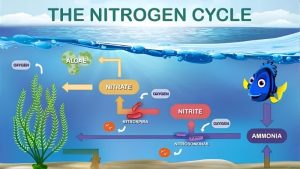
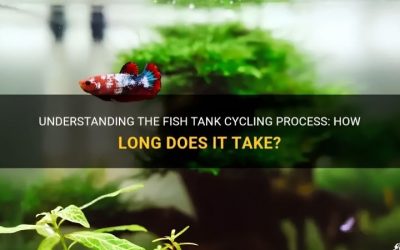
The single biggest reason beginner fish die is being added to an uncycled tank. Cycling builds the colony of beneficial bacteria that converts toxic ammonia into nitrite and finally into far safer nitrate. This process takes two to six weeks and cannot be rushed safely.
You can cycle without fish by dosing pure ammonia, or use a hardy starter approach, but a fishless cycle is kinder and more reliable. Test daily and watch for ammonia and nitrite to rise and then fall to zero while nitrate climbs. Only then is the tank ready for livestock. For a full walkthrough, see our guide on the water test kits you will rely on during this phase.
Choosing Your First Fish
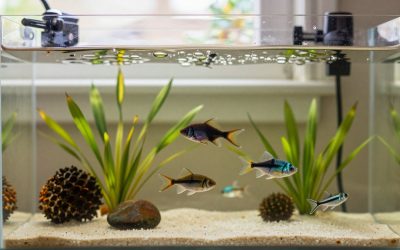
Once cycled, stock slowly. Add just a few fish at a time so the bacterial colony can scale up to the new waste load. Hardy, beginner-friendly species include:
- Zebra danios and white cloud mountain minnows
- Platies and guppies
- Corydoras catfish
- Neon and ember tetras (once the tank is well established)
- Cherry barbs and harlequin rasboras
Avoid the temptation to fully stock on day one. Patience here prevents an ammonia spike that can wipe out an entire tank.
Understanding Stocking Limits
The old “one inch of fish per gallon” rule is a loose guideline at best. Body mass, swimming style, and waste output matter far more. A single goldfish produces enormous waste and needs far more room than its length suggests. When in doubt, understock rather than overstock, and keep a close eye on your nitrate levels.
Ongoing Maintenance Routine
A simple weekly routine keeps everything stable: change 20 to 30 percent of the water, vacuum the substrate lightly, wipe the glass, and test your parameters. Rinse filter media monthly in old tank water, never under the tap. Good water flow keeps debris suspended so the filter can capture it, and a wave maker or powerhead can help in larger tanks.
Understanding Water Parameters
Beyond the nitrogen cycle, a few core parameters define whether your fish thrive. Temperature for most tropical community fish sits between 76 and 80 degrees Fahrenheit. The pH measures how acidic or alkaline your water is, with most common community fish comfortable anywhere from 6.5 to 7.8. General hardness and carbonate hardness describe the mineral content, which affects pH stability. You do not need to obsess over perfect numbers; stability matters far more than hitting an exact target, and most fish adapt to local water as long as it stays consistent.
The biggest danger is chasing ideal numbers with chemicals. Adding pH-down or pH-up products causes swings that stress fish more than slightly off parameters ever would. Choose fish that suit your tap water rather than fighting your water chemistry, and your tank will be far easier to maintain.
Aquascaping Your First Tank
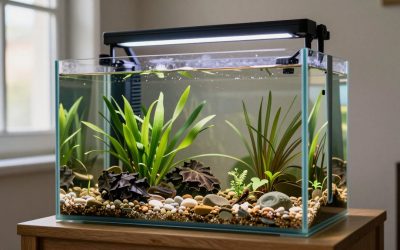
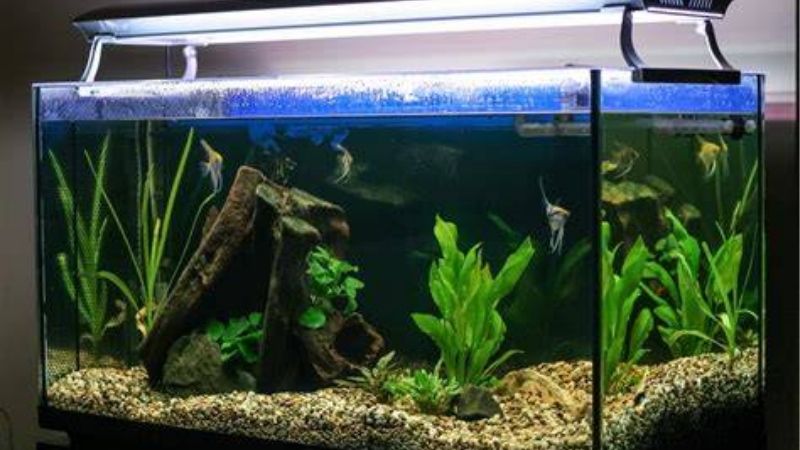
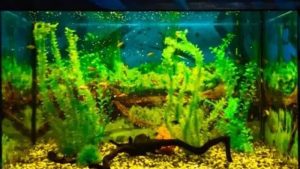
Arranging your tank is where personality comes in. Live plants offer real benefits beyond looks, absorbing nitrate, providing shelter, and competing with algae. Beginner-friendly options include java fern, anubias, and java moss, all of which attach to rocks or driftwood and need little light. If you prefer artificial decor, rinse it well and avoid anything with sharp edges that could tear fins.
A practical layout places taller plants and larger decor toward the back, leaving open swimming space at the front. Provide hiding spots with caves, driftwood, or dense planting, because fish with places to retreat feel secure and show better coloration. A secure aquascape reduces stress, and less stress means healthier, more disease-resistant fish.
Avoiding Common Beginner Mistakes
- Adding fish too soon before the tank is cycled, the leading cause of early deaths.
- Overfeeding, which fouls water and drives algae and nitrate.
- Overstocking on day one instead of building up the bioload gradually.
- Cleaning too aggressively, such as rinsing filter media under tap water and wiping out beneficial bacteria.
- Impulse buying fish without researching adult size and compatibility.
Every one of these mistakes is easy to avoid once you know about it. The hobbyists who succeed are simply the ones who slow down, research before they buy, and let the biology do its work.
Top-Rated Picks


| Product | Brand |
|---|---|
| Herture 40-50 Gallon Fish Tank Stand, Aquarium Stand … | Herture |
| Herture 20-29 Gallon Fish Tank Stand, Aquarium Stand … | Herture |
| Coralife BioCube Aquarium Fish Tank Wood Stand For 32… | Coralife |
| Bestier 20-29-37 Gallon Fish Tank Stand with Power Ou… | Bestier |
| MAHANCRIS 20 Gallon Fish Tank Stand, Aquarium Stand w… | MAHANCRIS |
Frequently Asked Questions
How long before I can add fish?
Wait until your tank is fully cycled, which typically takes two to six weeks. Ammonia and nitrite must both read zero while nitrate is present before any fish go in.
What size tank is best for a beginner?
A 20 gallon tank is ideal. It is large enough to stay chemically stable yet still affordable and easy to find equipment for.
Do I need a heater for my aquarium?
If you keep tropical fish, yes. Most popular community species need a stable 76 to 80 degrees Fahrenheit, which a heater and thermometer maintain reliably.
How many fish can I start with?
Begin with just three to five small fish in a freshly cycled tank, then add more gradually every couple of weeks as the biological filter matures.
Can I use tap water?
Yes, but you must treat it with a dechlorinator to remove chlorine and chloramine, both of which are toxic to fish and beneficial bacteria.
Conclusion
A successful aquarium setup for beginners rests on three pillars: choosing a forgiving tank size, cycling before adding fish, and committing to simple weekly maintenance. Resist the urge to rush, and your patience will be rewarded with clear water and active, healthy fish. Take it one step at a time, and you will be amazed at how manageable the hobby becomes.

How to Do a Fish Tank Water Change: The Full Step-by-Step
Signs Aquarium Is Cycled: The Test That Actually Proves It