Last Updated: October 21, 2026
- Why Choose a Planted Aquarium
- The Essential Components
- Best Plants for Beginners
- Setting Up Your Planted Tank Step by Step
- Lighting and Nutrients
- Maintaining a Healthy Planted Tank
- Understanding the Light, Nutrient, and CO2 Balance
- Troubleshooting Common Planted Tank Problems
- Choosing Fish for a Planted Tank
- Top-Rated Picks
- Frequently Asked Questions
- Conclusion
- Related Articles
⚡ Key Takeaways
- A planted tank is a small ecosystem that works with you rather than against you.
- You do not need a high-tech setup to grow plants.
- The secret to a successful first planted tank is choosing forgiving species that tolerate a wide range of conditions.
- Light drives photosynthesis, but more is not always better.
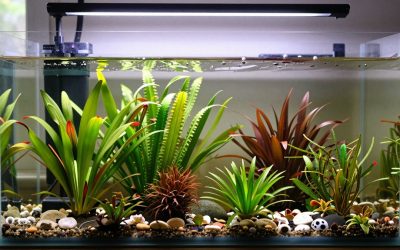
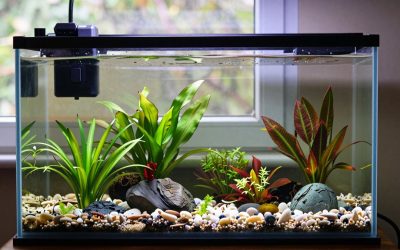
Starting a planted aquarium for beginners is one of the most rewarding ways to enter the hobby, transforming a plain glass box into a lush underwater garden that benefits both you and your fish. Live plants do far more than look beautiful: they absorb ammonia and nitrate, produce oxygen, compete with algae for nutrients, and give fish natural cover that reduces stress. Many newcomers assume planted tanks are difficult or require expensive equipment, but with the right low-maintenance plants and a few fundamentals, anyone can grow a thriving aquascape on their first try.
As an Amazon Associate we earn from qualifying purchases at no extra cost to you.




🛒 Best Price Today on Amazon
Prime members get fast, free shipping on everything above, plus member-only deals. New members get a 30-day free trial — cancel anytime.
Start 30-Day Prime Free Trial →See Today’s Amazon DealsWhy Choose a Planted Aquarium
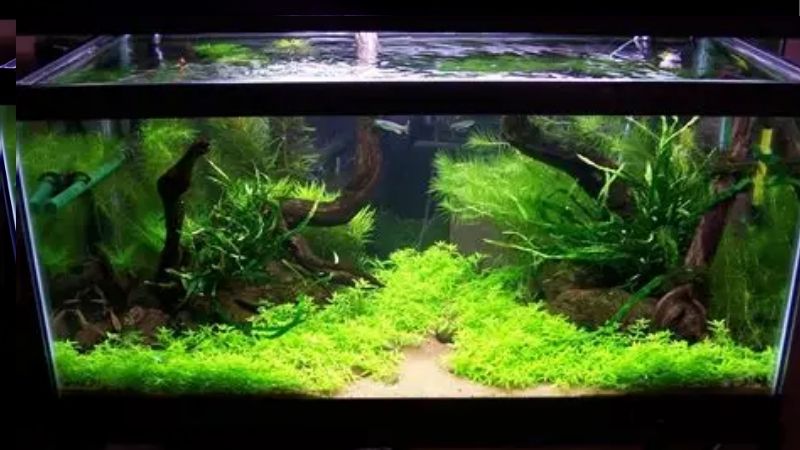
A planted tank is a small ecosystem that works with you rather than against you. Plants consume the same nitrogen compounds that harm fish, helping keep ammonia and nitrate low between water changes. They release oxygen during the day, improving water quality and reducing the gasping problems that plague overstocked bare tanks. Plants also shade and shelter shy species, encouraging natural behavior and breeding. Perhaps best of all, a healthy stand of plants starves out nuisance algae by outcompeting it for light and nutrients.
The Essential Components
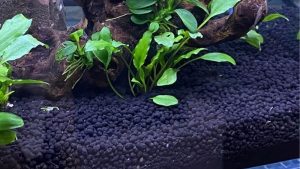
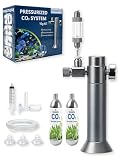
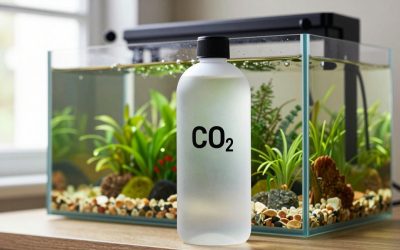
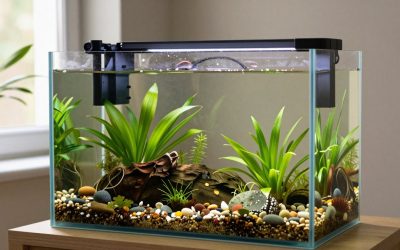
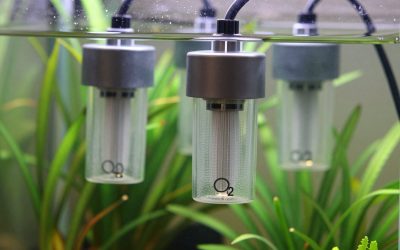
You do not need a high-tech setup to grow plants. A successful beginner planted tank rests on three pillars: adequate lighting, a suitable substrate, and the right plant selection. A low to moderate LED light running eight to ten hours a day supports most easy plants. A nutrient-rich aquarium soil or a quality plant substrate feeds root-feeding species, though many beginner plants draw nutrients from the water column and grow well even in plain gravel. Carbon dioxide injection improves growth but is entirely optional for low-light, hardy plants.
Best Plants for Beginners
The secret to a successful first planted tank is choosing forgiving species that tolerate a wide range of conditions. The plants below are nearly indestructible and grow without injected CO2.
| Plant | Light Needs | Placement | Why It’s Easy |
|---|---|---|---|
| Java Fern | Low | Mid to background | Attaches to rock/wood, no substrate needed |
| Anubias | Low | Foreground to mid | Slow, tough, algae-resistant |
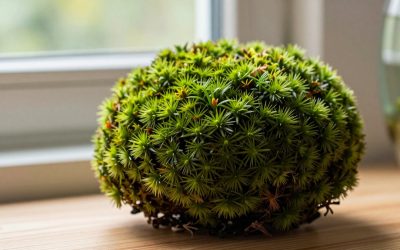
| Java Moss | Low | Carpet or decor | Grows almost anywhere |
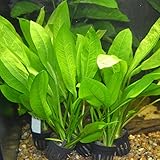
| Amazon Sword | Moderate | Background | Large, hardy root feeder |
| Hornwort | Low-Moderate | Floating or background | Fast growth absorbs excess nutrients |
| Cryptocoryne | Low | Foreground to mid | Thrives once established |
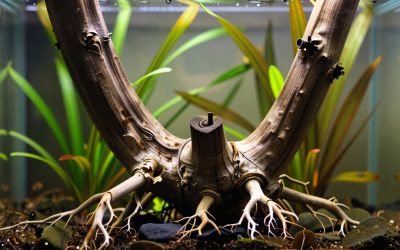
A useful tip for two of these: Java fern and Anubias should never be buried in the substrate. Their rhizome, the thick horizontal stem, will rot if covered. Instead, tie or glue them to driftwood or rock and let the roots anchor naturally.
Setting Up Your Planted Tank Step by Step
- Add substrate. Lay down two to three inches of plant substrate or nutrient-rich soil capped with sand or fine gravel, sloping it slightly higher at the back for depth.
- Add hardscape. Position driftwood and rocks before filling, since they form the structure your plants will grow around.
- Fill partially and plant. Fill the tank a third of the way, then plant while you can still reach the substrate. Bury roots of stem plants and attach rhizome plants to hardscape.
- Finish filling and install equipment. Top off the water, then add your filter, heater, and lighting.
- Cycle the tank. Allow the nitrogen cycle to establish over several weeks before adding fish, testing with an aquarium water test kit until ammonia and nitrite read zero.
Lighting and Nutrients
Light drives photosynthesis, but more is not always better. Excess light without matching nutrients and CO2 simply fuels algae. For a low-tech beginner tank, a modest LED on a timer for eight to ten hours daily is ideal. Most easy plants get enough nutrients from fish waste and a weekly dose of a comprehensive liquid fertilizer. Root feeders like Amazon sword and cryptocoryne appreciate root tabs pushed into the substrate near their bases every month or two.
Maintaining a Healthy Planted Tank
Planted tanks are remarkably low maintenance once established. Perform weekly water changes of 20 to 30%, trim overgrown stems to encourage bushy growth, and remove any decaying leaves promptly so they do not foul the water. Gentle, even water flow distributes CO2 and nutrients to every leaf; an aquarium wave maker helps eliminate dead spots in larger tanks. Keep temperature stable in the range your plants and fish prefer, verifying it with an aquarium thermometer, since most tropical plants thrive between 72 and 78 degrees Fahrenheit.
Understanding the Light, Nutrient, and CO2 Balance
Every planted tank, from the simplest to the most advanced, succeeds or fails based on a balance between three inputs: light, nutrients, and carbon dioxide. Think of them as three legs of a stool. Light drives photosynthesis and sets the pace of growth, but plants can only grow as fast as their most limited resource allows. If you provide intense light without enough nutrients and CO2 to match, the plants cannot use that extra light, and algae, which is far less demanding, happily consumes the surplus and takes over. This is the root cause of most beginner algae problems. The beauty of a low-tech tank is that it keeps all three legs low and balanced: modest light, modest nutrients from fish waste and light fertilizing, and the small amount of CO2 naturally present in the water. Plants grow slowly but steadily, and algae has no surplus to exploit. When beginners try to speed things up by cranking the light without adding CO2, they break this balance and invite trouble. Start low and slow, and only increase one input at a time if your plants clearly demand it.
Troubleshooting Common Planted Tank Problems
Even easy planted tanks occasionally show warning signs, and reading them early keeps your aquascape healthy. Yellowing or translucent leaves often indicate a nutrient deficiency, commonly nitrogen or iron, which a comprehensive liquid fertilizer or root tab usually corrects. Holes and ragged edges in older leaves can signal a potassium shortage. Stunted new growth or pale tips frequently point to insufficient micronutrients or, in demanding setups, a lack of CO2. On the other end, an explosion of algae almost always means too much light relative to nutrients and plant mass, so reducing the photoperiod and adding more fast-growing plants restores balance. Melting leaves on newly added plants, especially cryptocoryne, are simply the plant converting from its emersed nursery form to underwater growth and require only patience. By matching the symptom to its cause rather than reaching for chemical quick fixes, you keep your tank stable and your plants thriving with minimal effort.
Choosing Fish for a Planted Tank
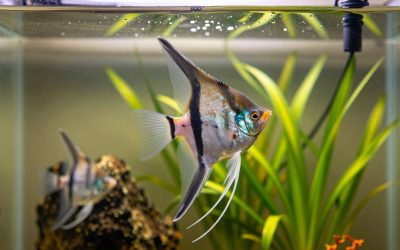
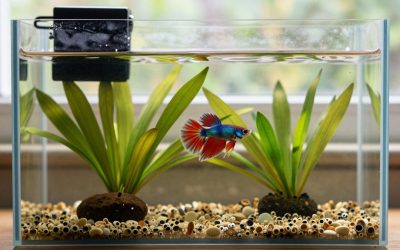
Many fish pair beautifully with live plants. Small schooling species like tetras, rasboras, and danios show their best colors against green foliage, while shrimp and snails help clean algae and debris. Avoid notorious plant-eaters and diggers such as large cichlids and goldfish, which uproot and devour vegetation. Feed your fish a balanced, high-quality fish food in modest amounts so excess does not decay and feed algae among your plants.
Top-Rated Picks


| Product | Brand |
|---|---|
| Herture 40-50 Gallon Fish Tank Stand, Aquarium Stand … | Herture |
| Herture 20-29 Gallon Fish Tank Stand, Aquarium Stand … | Herture |
| Coralife BioCube Aquarium Fish Tank Wood Stand For 32… | Coralife |
| Bestier 20-29-37 Gallon Fish Tank Stand with Power Ou… | Bestier |
| MAHANCRIS 20 Gallon Fish Tank Stand, Aquarium Stand w… | MAHANCRIS |
Frequently Asked Questions
Do I need CO2 for a planted aquarium?
Not for beginner plants. Low-light species like Java fern, Anubias, and cryptocoryne grow well without injected CO2. Adding CO2 boosts growth and lets you keep demanding plants, but it is optional for a starter tank.
How much light do aquarium plants need?
Most easy plants thrive under low to moderate LED light for eight to ten hours a day. Too much light without matching nutrients causes algae, so start modest and increase only if plants struggle.
Can I use regular gravel for plants?
Yes for water-column feeders and rhizome plants like Anubias and Java fern. Root-feeding plants grow better in nutrient-rich substrate, but you can supplement plain gravel with root tabs.
Why are my plants melting after I added them?
Some plants, especially cryptocoryne, shed leaves and melt as they adjust from emersed nursery growth to underwater life. This is normal. Keep conditions stable and new submerged growth will follow.
Will live plants help with algae?
Yes. Healthy, actively growing plants compete with algae for light and nutrients, helping suppress it. Fast growers like hornwort are especially effective at absorbing the excess nutrients algae would otherwise use.
Conclusion
A planted aquarium gives beginners the best of both worlds: a stunning natural display and a more stable, self-balancing ecosystem for fish. Start with hardy, low-light plants, provide modest lighting and a suitable substrate, cycle the tank fully, and keep up with simple weekly maintenance. With these fundamentals in place, your first planted tank will flourish, and you will quickly understand why so many aquarists never go back to bare glass.
Related: Summer Heat: How to Keep Your Aquarium Cool (Chillers, Fans and Tips)
Sand Substrate vs Gravel Substrate Aquarium: Which Is Right for Your Home (2026)
Best Aquarium CO2 System: Bubble Rate, Control and Safety