Last Updated: October 21, 2026
- What Makes a Fish Beginner-Friendly
- Top Beginner Freshwater Fish
- Guppies and Livebearers
- Schooling Fish: Tetras and Danios
- Bottom Dwellers: Corydoras Catfish
- The Solo Star: Betta Fish
- Fish to Avoid as a Beginner
- Building Confidence Before Expanding
- Setting Up for Success With Beginner Fish
- Stocking and Compatibility Tips
- Frequently Asked Questions
- Conclusion
- Related Articles
⚡ Key Takeaways


As an Amazon Associate we earn from qualifying purchases at no extra cost to you.


- Not all fish are created equal when it comes to ease of care.
- The species below are proven favorites that thrive in beginner setups.
- Guppies, platies, mollies, and swordtails belong to a group called livebearers, meaning they give birth to free-swimming young rather than laying eggs.
- Zebra danios in particular are nearly bulletproof, tolerating a wide temperature range and constant activity.
Choosing the best beginner fish is one of the most important decisions a new aquarist will make, because the right starter species forgive the inevitable early mistakes while the wrong ones turn a promising hobby into a frustrating string of losses. The ideal beginner fish are hardy, peaceful, widely available, and tolerant of the minor water quality fluctuations that come with learning. They should also stay a reasonable size, get along with tankmates, and accept standard foods. This guide walks through the top freshwater species that consistently set newcomers up for success.
🛒 Best Price Today on Amazon
Prime members get fast, free shipping on everything above, plus member-only deals. New members get a 30-day free trial — cancel anytime.
What Makes a Fish Beginner-Friendly
Not all fish are created equal when it comes to ease of care. The best beginner fish share several traits: they tolerate a range of water parameters, resist common diseases, and recover from small mistakes that would kill more delicate species. They are also generally peaceful, so they coexist in a community tank without aggression, and they readily accept flake or pellet food. Avoiding fish that are large, aggressive, or notoriously sensitive lets you build confidence and learn the fundamentals before attempting anything more demanding.
Top Beginner Freshwater Fish
The species below are proven favorites that thrive in beginner setups. Most are small, colorful, and active, making them as enjoyable to watch as they are easy to keep.
| Fish | Adult Size | Temperament | Min Tank |
|---|---|---|---|
| Guppy | 1.5-2.5 in | Peaceful | 10 gal |
| Platy | 2-3 in | Peaceful | 10 gal |
| Zebra Danio | 2 in | Active, peaceful | 10 gal |
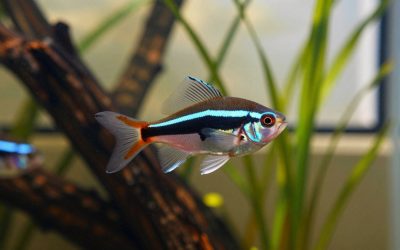
| Neon Tetra | 1.5 in | Peaceful, schooling | 10 gal |
| Corydoras Catfish | 2-3 in | Peaceful, bottom | 20 gal |
| Betta | 2.5-3 in | Territorial (solo) | 5 gal |
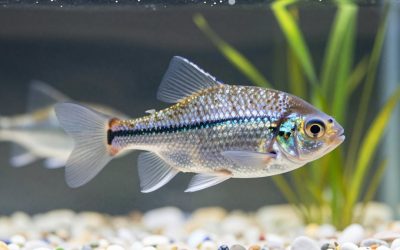
| White Cloud Minnow | 1.5 in | Peaceful, schooling | 10 gal |
Guppies and Livebearers
Guppies, platies, mollies, and swordtails belong to a group called livebearers, meaning they give birth to free-swimming young rather than laying eggs. They are exceptionally hardy, colorful, and active, and they breed so readily that beginners often end up with babies. Their adaptability to varied water conditions makes them very forgiving. The main caution is that they reproduce quickly, so a single-sex group prevents overpopulation. These fish prefer slightly harder water and appreciate a varied diet of quality flakes and occasional vegetable matter.
Schooling Fish: Tetras and Danios
Schooling fish like neon tetras, zebra danios, and white cloud mountain minnows bring energy and color to a tank, but they must be kept in groups of at least six to feel secure and display natural behavior. Zebra danios in particular are nearly bulletproof, tolerating a wide temperature range and constant activity. Neon tetras are slightly more sensitive and do best in an established, cycled tank, so they are a great second addition once your aquarium is stable. A proper school reduces stress and shyness dramatically.
Bottom Dwellers: Corydoras Catfish
Corydoras catfish are charming, peaceful bottom dwellers that help keep the substrate clean by foraging for leftover food. They are social and should be kept in groups of at least four to six. Hardy and entertaining, cories add activity to the lower level of the tank and rarely bother other fish. They do appreciate a soft or smooth substrate to protect their delicate barbels, and they benefit from sinking foods to ensure they get their share at the bottom.
The Solo Star: Betta Fish
The betta is an excellent choice for a smaller, single-fish setup. Beautiful and full of personality, a betta thrives in a heated, filtered tank of at least five gallons. The key caution is temperament: male bettas are territorial and must be kept alone or with carefully chosen peaceful tankmates. For someone who wants one striking centerpiece fish rather than a busy community, a well-cared-for betta is hard to beat.
Fish to Avoid as a Beginner
Just as important as knowing which fish to buy is knowing which to leave at the store until you have more experience. Several popular species are commonly sold to beginners despite being poor first choices. Common plecos, for instance, are sold as small algae eaters but grow to nearly two feet and produce enormous waste, quickly outgrowing typical tanks. Goldfish, though hardy, are messy, grow large, and need much more space and filtration than the bowls they are often sold in. Oscars and many cichlids are aggressive and require big tanks. Bala sharks and tinfoil barbs reach large sizes and need schools and space few beginners can provide. Delicate species like discus, wild bettas, and many saltwater fish demand pristine, stable conditions that are unforgiving of beginner mistakes. Finally, fast-growing or specialized eaters that need live food add complications a new aquarist does not need. Steering clear of these and starting with the proven, hardy community species lets you learn the fundamentals before taking on anything that demands precise care or a large tank.
Building Confidence Before Expanding
The journey from a first tank to a thriving aquarium is built on incremental success, and beginner fish are the foundation. Once you have kept a small group of hardy species healthy for a few months, you will have learned to read your water test results, recognize the signs of stress or illness, and maintain a stable feeding and cleaning routine. This experience is far more valuable than any single piece of equipment, and it is exactly what prepares you to take on more demanding fish or a larger setup. Resist the temptation to overstock or to add a flashy, sensitive species too early; many promising hobbyists give up after losing expensive fish they were not yet ready for. Instead, let your beginner fish teach you the rhythms of aquarium keeping. As your confidence grows, you can gradually introduce slightly more challenging species, upgrade to a bigger tank, or explore planted and specialty setups. The patient path of mastering the basics with forgiving fish leads to a lifetime of enjoyment in the hobby, while rushing almost always leads to frustration.
Setting Up for Success With Beginner Fish
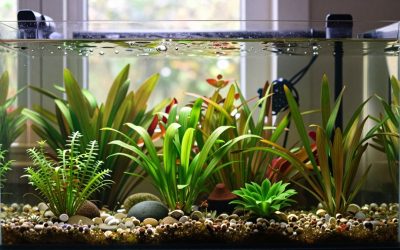
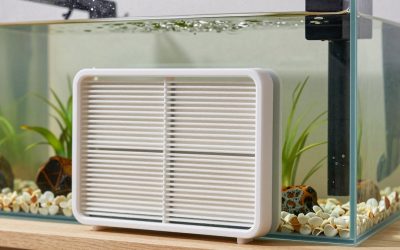
Even the hardiest fish need a properly prepared home. Always cycle your tank before adding fish so beneficial bacteria can process ammonia, and test your water with an aquarium water test kit to confirm it is safe. Most beginner tropicals need stable heat, so install a heater and verify the temperature with an aquarium thermometer. Provide gentle, even circulation with an appropriately sized aquarium wave maker to oxygenate the water, and feed a balanced, high-quality fish food in small amounts to keep both your fish and water healthy.
Stocking and Compatibility Tips
When building your first community, add fish gradually rather than all at once, so your biological filter can keep pace with the rising waste load. Research compatibility before mixing species, pairing peaceful fish of similar size and avoiding known fin-nippers or aggressive types. Keep schooling fish in proper groups, and do not overstock; a lightly stocked tank is far more stable and forgiving than a crowded one. Patience in stocking pays off with healthier fish and clearer water.
Frequently Asked Questions
What is the easiest fish to keep for beginners?
Guppies, platies, and zebra danios are among the easiest, thanks to their hardiness, adaptability, and tolerance of minor water fluctuations. They forgive the small mistakes that new aquarists inevitably make while learning.
How many fish should a beginner start with?
Start with just a few hardy fish and add more gradually over several weeks. This lets your biological filter mature and keeps ammonia in check. Overstocking early is a common cause of beginner failures.
Do beginner fish need a heater?
Most popular beginner tropicals like guppies, tetras, and bettas need a heater to maintain stable tropical temperatures. A few species such as white cloud minnows and zebra danios tolerate cooler water, but stable heat benefits nearly all of them.
Can I keep different beginner fish together?
Yes, many peaceful beginner species coexist well in a community tank. Pair fish of similar size and temperament, keep schooling species in groups, and avoid mixing in aggressive or fin-nipping fish.
Are betta fish good for beginners?
Yes, bettas are excellent for beginners wanting a single centerpiece fish in a small heated tank. The main rule is that males must be housed alone or only with carefully selected peaceful tankmates.
Conclusion
The best beginner fish combine hardiness, peaceful temperament, and easy care, giving newcomers room to learn without heartbreak. Guppies, platies, danios, tetras, corydoras, and bettas have earned their reputations as reliable starters for good reason. Pair the right species with a properly cycled, heated, and well-maintained tank, stock gradually, and feed thoughtfully. Do that, and your first aquarium will flourish, building the confidence and experience that make this hobby so rewarding.
Related guide: See our Best Aquarium Filters in 2026 for the top picks and buying advice.
10 Best Goldfish Foods: Top Picks for Healthy Goldfish 2026
Aquarium Fish Food Types: Complete Guide & Best Picks