Last Updated: October 21, 2026
- Understanding Why Fish Gasp at the Surface
- Cause 1: Low Dissolved Oxygen
- Cause 2: Ammonia or Nitrite Poisoning
- Cause 3: High Water Temperature
- Cause 4: Gill Disease and Parasites
- Cause 5: Chemical Contamination
- How Surface Gasping Differs From Normal Surface Behavior
- The Role of Surface Agitation in Oxygen Exchange
- Emergency Action Plan for Gasping Fish
- Preventing Future Gasping
- Top-Rated Picks
- Frequently Asked Questions
- Conclusion
- Related Articles
- Related Guides
⚡ Key Takeaways
- Fish breathe by passing water over their gills, where dissolved oxygen is absorbed and carbon dioxide is released.
- The most common reason for surface gasping is simply not enough dissolved oxygen in the water.
- If only some fish are affected or gasping comes with red, inflamed gills, toxic water chemistry may be to blame.
- Warm water physically holds less dissolved oxygen than cool water, so a heat wave, a stuck heater, or summer temperatures can leave fish gasping.
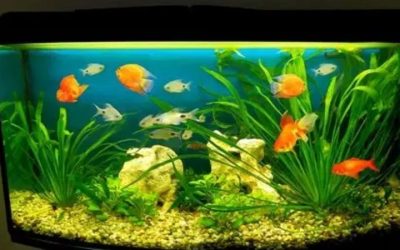
If your fish gasping at the surface has you worried, you are right to take it seriously, because surface gasping is one of the clearest distress signals a fish can give. When fish hover near the top of the tank, mouths working rapidly at the water line, they are almost always struggling to get enough oxygen or trying to escape something irritating their gills. This behavior can stem from low dissolved oxygen, toxic water chemistry, high temperature, gill disease, or poor surface gas exchange. Identifying the cause quickly is essential, because a fish that cannot breathe will not survive long.
As an Amazon Associate we earn from qualifying purchases at no extra cost to you.



🛒 Best Price Today on Amazon
Prime members get fast, free shipping on everything above, plus member-only deals. New members get a 30-day free trial — cancel anytime.
Understanding Why Fish Gasp at the Surface
Fish breathe by passing water over their gills, where dissolved oxygen is absorbed and carbon dioxide is released. The water surface, not the air above it, is where oxygen enters the tank through gas exchange. When oxygen at the surface is highest and the rest of the tank is depleted, fish congregate at the top because that is literally where the most breathable water is. Gasping is therefore a symptom, and your job is to find the underlying problem rather than just watching the behavior.
Cause 1: Low Dissolved Oxygen
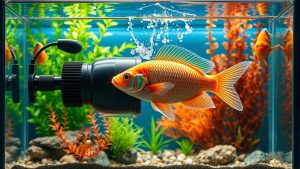
The most common reason for surface gasping is simply not enough dissolved oxygen in the water. This can result from overstocking, warm water that holds less oxygen, insufficient surface agitation, or a power outage that stops the filter. If all your fish are gasping at once, low oxygen is the prime suspect. The immediate fix is to increase surface movement and aeration: add an air stone, lower the water level so the filter outflow splashes more, or add a powerhead. A well-positioned aquarium wave maker dramatically improves circulation and gas exchange, especially in larger or heavily stocked tanks.
Cause 2: Ammonia or Nitrite Poisoning
If only some fish are affected or gasping comes with red, inflamed gills, toxic water chemistry may be to blame. Ammonia and nitrite both damage gill tissue and impair the blood’s ability to carry oxygen, so fish gasp even when oxygen levels are adequate. Test immediately with an aquarium water test kit. Any ammonia or nitrite reading above 0 ppm demands an immediate partial water change of 25 to 50% with dechlorinated, temperature-matched water, repeated daily until levels return to zero.
| Symptom Pattern | Likely Cause | First Action |
|---|---|---|
| All fish gasping at once | Low oxygen | Add aeration, increase surface movement |
| Gasping + red/inflamed gills | Ammonia/nitrite toxicity | Test water, do 50% water change |
| Gasping in warm weather | High temperature | Cool tank, add aeration |
| One fish gasping, others fine | Gill parasites/disease | Quarantine and treat |
| Gasping after cleaning | Chlorine or chemical exposure | Water change with conditioner |
Cause 3: High Water Temperature
Warm water physically holds less dissolved oxygen than cool water, so a heat wave, a stuck heater, or summer temperatures can leave fish gasping. Tropical fish kept above their ideal range suffer a double blow: their metabolism speeds up and demands more oxygen exactly when the water can hold less. Check your temperature with a reliable aquarium thermometer. If the tank is overheating, cool it gradually by floating sealed bags of ice water, increasing surface agitation, and directing a fan across the surface. Avoid sudden large temperature drops, which cause their own shock.
Cause 4: Gill Disease and Parasites
When a single fish gasps while its tankmates behave normally, a gill infection or parasite such as gill flukes or ich is often responsible. These attack the gill tissue directly, reducing the surface area available for oxygen absorption. Look for additional signs like scratching against objects, clamped fins, excess slime, or white spots. Affected fish should ideally be moved to a quarantine tank and treated with an appropriate medication for the specific parasite identified.
Cause 5: Chemical Contamination
Sometimes gasping appears suddenly after a water change, cleaning, or the use of household products near the tank. Chlorine and chloramine from untreated tap water burn gills instantly, while aerosols, cleaning sprays, and even some hand soaps can contaminate the water. Always use a dechlorinator with every water change, and never use chemically scented products near an open aquarium. If contamination is suspected, perform an immediate water change with properly conditioned water.
How Surface Gasping Differs From Normal Surface Behavior
Not every trip to the surface signals trouble, so learning to tell distress from normal behavior prevents needless panic. Labyrinth fish such as bettas and gouramis naturally gulp air from the surface using a specialized organ, and this occasional, relaxed surfacing is perfectly healthy. Many fish also rise to the top during feeding, snatch floating food, and then return to the middle or bottom of the tank. True distress gasping looks different: the fish stays at the surface persistently, breathes rapidly and laboriously, often angles its mouth right at the water line, and shows little interest in anything else. If multiple fish do this at once, or a single fish does it for extended periods between feedings, you are looking at a genuine oxygen or water quality emergency rather than normal behavior. Watching how long the behavior lasts and whether it coincides with feeding helps you distinguish the two.
The Role of Surface Agitation in Oxygen Exchange
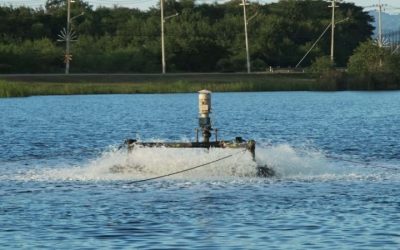
One of the most misunderstood aspects of aquarium oxygen is that bubbles themselves do not oxygenate water; surface movement does. Oxygen enters the tank where water meets air, so anything that disturbs and renews the surface, such as a filter outflow, an air stone breaking the surface, or a circulation pump, increases the rate of gas exchange. A still, glassy surface, by contrast, traps a stagnant boundary layer that limits how much oxygen dissolves. This is why a tank can look clean and well-filtered yet still leave fish gasping if the surface barely moves. Increasing surface turbulence is the single most effective and immediate way to raise dissolved oxygen, which is why it tops the emergency response list. In heavily planted tanks, this matters most at night, when plants stop producing oxygen and begin consuming it alongside the fish.
Emergency Action Plan for Gasping Fish
When you find fish gasping, act in this order: First, increase aeration and surface movement immediately, since oxygen helps in nearly every scenario. Second, test the water for ammonia, nitrite, and pH. Third, perform a partial water change with dechlorinated, temperature-matched water if any toxin is detected. Fourth, check and correct temperature. Fifth, observe whether one or all fish are affected to narrow down disease versus environmental causes. Quick, calm action addresses most cases before they become fatal.
Preventing Future Gasping
Prevention is far easier than a midnight rescue. Maintain strong surface agitation at all times, avoid overstocking, and feed sparingly with a quality fish food so excess does not decay and consume oxygen as it breaks down. Keep your tank fully cycled, test water weekly, and monitor temperature year round. Consistent maintenance keeps oxygen high and toxins at zero, which means your fish will breathe easily and stay near the bottom and middle of the tank where healthy fish belong.
Top-Rated Picks


| Product | Brand |
|---|---|
| Aqueon Shrimp Pellets Sinking Food for Tropical Fish,… | Aqueon |
| API BOTTOM FEEDER PELLETS WITH SQUID Fish Food 1.3-Ou… | API |
| Tetra ShrimpWafers Complete Diet for Catfish and Loac… | Tetra |
| Hikari Tropical Sinking Wafers for Catfish, Loaches a… | Hikari |
| Ultra Fresh Bottom Feeder Fish Food, Sword Prawns, Na… | UltraFresh-ShrimpDelight |
Frequently Asked Questions
Is fish gasping at the surface always an emergency?
It should always be treated as urgent. While occasional brief surfacing during feeding is normal, sustained gasping indicates a serious oxygen or water quality problem that can quickly become fatal if ignored.
Can a fish recover from gasping?
Yes, if you correct the cause promptly. Fish that gasp due to low oxygen or mild toxin exposure often recover fully once conditions improve. Prolonged exposure causes lasting gill damage, so speed matters.
Why do my fish gasp only at night?
Plants and the tank consume oxygen and produce carbon dioxide in darkness, so oxygen levels naturally dip overnight. In heavily planted or overstocked tanks this can leave fish gasping by morning. Add nighttime aeration to fix it.
Will adding an air pump fix surface gasping?
An air pump and air stone help by increasing surface agitation and oxygen exchange, which solves low-oxygen gasping. However, if the cause is ammonia, disease, or temperature, you must also address that root issue.
How much oxygen do fish need?
Most aquarium fish thrive with dissolved oxygen above 5 to 6 ppm. Levels below 4 ppm cause stress and gasping. Good surface movement and moderate stocking keep oxygen comfortably in the healthy range.
Conclusion
A fish gasping at the surface is your aquarium’s way of sounding an alarm. The most common culprits are low oxygen, toxic ammonia or nitrite, and high temperature, with disease and contamination behind the rest. Respond by boosting aeration, testing and correcting water chemistry, and stabilizing temperature. Build strong surface agitation and sensible stocking into your routine, and gasping will become a problem you prevent rather than one you scramble to fix.
New Fish Acclimation Guide: How to Safely Introduce Fish to Your Aquarium
How to Introduce New Fish to an Established Aquarium