Last Updated: October 21, 2026
- The Golden Rule: Less Is More
- How Often Different Fish Should Eat
- Why Overfeeding Is So Dangerous
- How Much to Feed at Each Meal
- Choosing the Right Food
- Special Cases: Fry, Fasting, and Vacations
- Matching Food Type to Where Your Fish Feed
- Adjusting Feeding for Seasons and Temperature
- Reading Your Fish for Feeding Cues
- Frequently Asked Questions
- Conclusion
- Related Articles
- Related Guides
⚡ Key Takeaways


As an Amazon Associate we earn from qualifying purchases at no extra cost to you.



- If you remember one principle, make it this: it is far safer to underfeed than to overfeed.
- Feeding frequency varies by species, age, and metabolism.
- When you add more food than your fish eat, the surplus does not simply disappear.
- Portion size matters as much as frequency.
Figuring out how often to feed fish is one of the first questions every aquarist asks, and getting it right is more important than most beginners realize. Overfeeding is the single most common mistake in the hobby and a leading cause of poor water quality, algae outbreaks, and fish death. Fish have small stomachs and slow metabolisms compared to mammals, and uneaten food rots quickly, releasing ammonia that poisons the very fish you are trying to nourish. For most adult aquarium fish, feeding once or twice a day in small amounts is plenty.
🛒 Best Price Today on Amazon
Prime members get fast, free shipping on everything above, plus member-only deals. New members get a 30-day free trial — cancel anytime.
The Golden Rule: Less Is More
If you remember one principle, make it this: it is far safer to underfeed than to overfeed. A healthy fish can comfortably go several days without food, and many aquarists deliberately include a weekly fasting day to aid digestion. By contrast, excess food that fish do not eat sinks, decays, and fuels ammonia and nitrite spikes that stress and kill fish. The standard guideline is to feed only what your fish can consume in two to three minutes, removing any leftovers that linger beyond that window.
How Often Different Fish Should Eat
Feeding frequency varies by species, age, and metabolism. The table below offers general starting points that you can refine by observing your fish.
| Fish Type | Feeding Frequency | Notes |
|---|---|---|
| Most community tropicals | Once or twice daily | Small pinch each time |
| Betta | Once or twice daily | Tiny stomach, fast weekly |
| Goldfish | 1-2 times daily | Prone to overfeeding/bloat |
| Herbivores (plecos) | Daily, often grazing | Need constant algae/veg |
| Predators (some cichlids) | Every 1-2 days | Larger, less frequent meals |
| Fry (baby fish) | 3-5 times daily | High metabolism, small meals |
Why Overfeeding Is So Dangerous
When you add more food than your fish eat, the surplus does not simply disappear. It settles into the substrate and decomposes, releasing ammonia directly into the water. This overwhelms your biological filter and drives up ammonia and nitrite, both of which are toxic. Decaying food also feeds algae and harmful bacteria, clouds the water, and depletes oxygen as it breaks down. Many “mystery” fish deaths and chronic algae problems trace back to nothing more than a heavy hand at feeding time. Monitoring your water with an aquarium water test kit quickly reveals whether overfeeding is polluting your tank.
How Much to Feed at Each Meal
Portion size matters as much as frequency. A good rule is to offer an amount roughly equal to the size of the fish’s eye per fish, or simply a small pinch that disappears within two to three minutes. Watch your fish eat. If food reaches the bottom uneaten, you gave too much. If your fish frantically search the substrate long after feeding, you may slightly increase the portion. Feeding in small amounts twice a day rather than one large meal mimics natural grazing and keeps water cleaner.
Choosing the Right Food
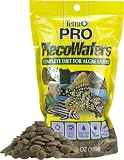
What you feed is as important as how often. A varied, species-appropriate diet keeps fish healthy and colorful. Carnivores need high-protein foods, herbivores require vegetable matter, and omnivores benefit from a mix. Rotating between high-quality flakes or pellets and occasional frozen or freeze-dried treats like bloodworms and brine shrimp provides balanced nutrition. Selecting a well-formulated fish food that matches your species’ needs ensures they get the right nutrients without excess waste, since high-quality foods are digested more completely and pollute less.
Special Cases: Fry, Fasting, and Vacations
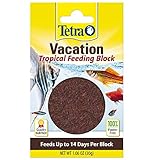
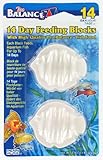
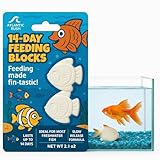
Some situations call for adjusting your routine. Baby fish, or fry, have rapid metabolisms and need three to five tiny feedings a day to grow. Conversely, a weekly fasting day benefits adult fish by allowing their digestive systems to clear, which helps prevent constipation and bloating. When you travel, resist the urge to dump in extra food beforehand. Most healthy adult fish handle several days without feeding with no harm. For longer absences, a reliable automatic feeder dispensing measured portions is far safer than overfeeding in advance or trusting block feeders that can foul the water.
Matching Food Type to Where Your Fish Feed
Different fish feed at different levels of the tank, and choosing the right food format ensures everyone gets fed without excess waste. Surface feeders like bettas and hatchetfish do best with floating flakes or pellets that linger at the top. Mid-water community fish such as tetras and guppies happily take slow-sinking flakes and small pellets as they drift down. Bottom dwellers like corydoras catfish and plecos need sinking wafers and pellets that reach the substrate, since they rarely compete for food at the surface. In a community tank, mixing food types so something reaches every level prevents the awkward situation where surface-grabbing fish gorge themselves while bottom dwellers go hungry. Sinking foods also reduce waste because they target the fish that forage along the bottom, where leftover food tends to settle. Observing where each species spends its time and matching the food accordingly is a simple but powerful way to keep your whole community well nourished without overfeeding the tank as a whole.
Adjusting Feeding for Seasons and Temperature
Feeding is not a fixed routine for every condition; it should flex with water temperature, since fish are cold-blooded and their metabolism rises and falls with the thermometer. In a warmer tank, fish digest faster and may need slightly more frequent feeding, while in cooler water their metabolism slows and they require less. This is especially relevant for coldwater fish like goldfish kept in unheated tanks, which eat noticeably less as temperatures drop and can suffer digestive problems if fed heavily in cold water. Pond keepers see this dramatically, ceasing feeding entirely when temperatures fall near freezing because the fish cannot digest food properly. Even in a stable tropical tank, paying attention to your fish’s appetite and adjusting portions accordingly keeps them healthy. Monitoring temperature with a reliable thermometer helps you understand why appetite changes and prevents the mistake of force-feeding fish that simply are not metabolizing food quickly in cooler conditions. When in doubt, let the fish’s enthusiasm and the temperature guide how much and how often you offer food.
Reading Your Fish for Feeding Cues
Your fish tell you when feeding is going well. Healthy, properly fed fish are active, maintain good color, and show eager but not desperate feeding responses. A slightly rounded belly after eating is normal, but a persistently bloated fish or one that refuses food signals a problem. Maintaining stable water conditions supports healthy appetites, so keep temperature steady with an aquarium thermometer and ensure good circulation with an aquarium wave maker so food disperses and waste does not collect in stagnant corners.
Frequently Asked Questions
How many times a day should I feed my fish?
For most adult aquarium fish, once or twice a day is ideal. Feed only what they consume in two to three minutes. Fry and very young fish need more frequent, smaller meals.
Can I feed my fish once a day?
Yes. A single appropriately sized daily feeding is perfectly adequate for most adult fish. Splitting it into two smaller meals is slightly better for digestion and water quality but not strictly necessary.
What happens if I overfeed my fish?
Uneaten food decays and releases ammonia, polluting the water, fueling algae, and stressing or killing fish. Overfeeding is the most common cause of water quality problems in home aquariums.
How long can fish go without food?
Most healthy adult fish can safely go three to seven days without food. This makes short vacations stress-free, and a weekly fasting day actually benefits their digestion.
Should I feed my fish at the same time every day?
A consistent schedule is helpful, as fish learn to anticipate feeding and adjust their activity. However, the exact time matters far less than feeding the right amount and not overfeeding.
Conclusion
Feeding fish well comes down to small portions, appropriate frequency, and restraint. For most adult fish, once or twice a day with only what they eat in a few minutes is the sweet spot, while fry need more and adults benefit from an occasional fasting day. Match the food to your species, watch for uneaten leftovers, and remember that underfeeding is recoverable while overfeeding poisons the tank. Feed thoughtfully, and you will enjoy healthier fish and cleaner water.
How to Soften Aquarium Water Safely: Numbers First Guide
Is Aquarium Soil Worth It? An Honest Answer (2026)