Last Updated: October 21, 2026
🛒 Best Price Today on Amazon
Prime members get fast, free shipping on everything above, plus member-only deals. New members get a 30-day free trial — cancel anytime.
Top Choose Aquarium Substrate Complete Picks for 2026
Here are our current top choose aquarium substrate complete picks, compared on real Amazon owner reviews, price, and features. Live prices update below.
As an Amazon Associate we earn from qualifying purchases at no extra cost to you.
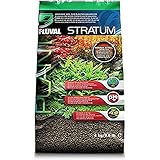

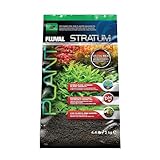


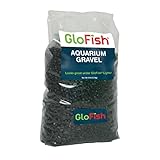


The foundation of a thriving aquatic ecosystem lies not just in the water quality or the inhabitants, but also in the very bed upon which your aquarium rests: the substrate. Often overlooked in favor of flashy decorations or powerful filtration systems, the right aquarium substrate plays a crucial role in the health of your fish, the growth of your plants, and the overall aesthetic appeal of your underwater world. It’s more than just decorative gravel; it’s a biological filter, a nutrient provider, and a habitat for beneficial bacteria. Choosing incorrectly can lead to issues like cloudy water, plant decay, or even health problems for your fish.
This comprehensive buying guide is designed to demystify the world of aquarium substrates and equip you with the knowledge needed to make an informed decision for your specific setup. We’ll delve into the various types available, explore the key features to consider, discuss budget considerations, highlight common pitfalls to avoid, and answer your most pressing questions. By the end of this guide, you’ll be confident in selecting the perfect substrate to create a stable, beautiful, and healthy environment for your aquatic companions.
Types of Aquarium Substrate
The vast array of aquarium substrates can be broadly categorized based on their composition, intended use, and their impact on water parameters. Understanding these categories is the first step toward selecting the ideal material for your aquarium.
Gravel
Gravel is perhaps the most traditional and widely used aquarium substrate. It typically consists of small, rounded stones, often made from natural quarried materials like quartz, limestone, or granite. Gravel is available in a wide spectrum of colors and sizes, offering significant aesthetic flexibility. Its primary advantage lies in its porosity and the large surface area it provides for beneficial bacteria to colonize, contributing to biological filtration. Larger grain sizes allow for good water flow through the substrate, preventing anaerobic pockets where harmful gases can build up. This makes it a good all-around choice for most freshwater community tanks, especially those without a heavy emphasis on live planted aquascapes or sensitive fish species that might ingest smaller particles.
Sand
Aquarium sand, typically composed of fine mineral grains, offers a more naturalistic appearance and is favored by many aquascapers and hobbyists with specific inhabitants in mind. Unlike gravel, sand has a much finer grain size, creating a smoother, more uniform bed. This can be particularly beneficial for bottom-dwelling fish like Corydoras catfish and loaches, as it’s gentler on their barbels and allows them to sift through it naturally. Sand also compacts less than gravel, maintaining better water flow and oxygenation within the substrate layer. However, very fine sands can sometimes cloud the water if disturbed too vigorously, and some types can alter water chemistry (e.g., aragonite sands raising pH and hardness), making them ideal for saltwater or specific freshwater setups that benefit from these changes. For planted tanks, specialized sands with added nutrients or inert properties are often preferred.
Specialty Planted Tank Substrates
Designed specifically to promote vigorous plant growth, these substrates are a game-changer for aquascapers and freshwater planted tank enthusiasts. They are typically nutrient-rich, often containing a mix of organic materials, minerals, and porous clays. These substrates provide essential macro and micronutrients directly to plant roots, reducing the need for frequent liquid fertilization and leading to lush, vibrant foliage. Many planted tank substrates are also engineered to have excellent water retention and aeration properties, creating an optimal environment for root development. They often have a finer grain size than standard gravel but are formulated to avoid the compaction issues of some sands. While excellent for plants, they may not be the best choice for tanks focusing solely on fish, as their nutrient content can sometimes fuel nuisance algae if not properly managed.
Inert Substrates
Inert substrates, as the name suggests, do not chemically interact with your aquarium water. This category includes materials like pure silica sand, lava rock, and some types of polished glass or ceramic media. Their primary benefit is their neutrality; they won’t alter your pH, water hardness, or other water parameters, making them ideal for aquariums where maintaining specific water chemistry is crucial, such as for sensitive fish species or certain breeding setups. Inert substrates are also often very porous, offering excellent surface area for beneficial bacteria. For planted tanks, inert substrates are often used as a base layer, with nutrient-rich substrates or root tabs added separately to provide plant nutrition. Their aesthetic appeal can vary widely, from the natural look of lava rock to the modern feel of polished glass.
Laterite
Laterite is a clay-like soil that is naturally rich in iron and other essential trace minerals. It’s a key component in many commercially available planted tank substrates, but can also be used on its own or mixed with other inert materials. When used as a substrate, laterite provides a steady release of nutrients directly to plant roots, promoting healthy growth and vibrant coloration. It’s particularly effective for rooting plants that draw nutrients primarily through their root systems. However, laterite alone can be very dusty and may cloud the water if not handled with care or capped with a layer of gravel or sand. It’s essential to use a nutrient-rich, processed laterite product or to cap it appropriately to prevent issues.
Key Features to Look For
When selecting an aquarium substrate, several key features can significantly impact its suitability for your tank and its inhabitants. Considering these criteria will help you make a choice that promotes a healthy and aesthetically pleasing environment.
-
Grain Size and Shape
The size and shape of the substrate particles are crucial for water flow, plant root development, and the comfort of bottom-dwelling fish. Smaller, rounded grains are generally better for delicate fish barbels and allow for better root penetration, while larger, irregular shapes can improve water circulation and prevent compaction.
-
Porosity and Surface Area
A porous substrate with a high surface area is essential for housing beneficial nitrifying bacteria, which are vital for breaking down toxic ammonia and nitrite in your aquarium’s nitrogen cycle. Materials like gravel, lava rock, and specialized planted tank substrates excel in this regard.
-
Nutrient Content
For planted aquariums, the nutrient content of the substrate is paramount. Nutrient-rich substrates provide essential macro and micronutrients directly to plant roots, fostering robust growth and vibrant coloration. Inert substrates, on the other hand, do not contribute nutrients and require separate fertilization methods.
-
pH and Water Hardness Impact
Some substrates, particularly those containing calcium carbonate (like crushed coral or aragonite sand), can affect your aquarium’s pH and water hardness. This can be beneficial for species that thrive in alkaline conditions but detrimental for those requiring soft, acidic water. Inert substrates do not alter water parameters.
-
Color and Aesthetic Appeal
The color and texture of your substrate significantly contribute to the overall visual appeal of your aquarium. Natural tones can create a serene environment, while brighter colors can add vibrancy. Consider how the substrate will complement your chosen decorations and inhabitants.
-
Ease of Cleaning and Maintenance
Some substrates are easier to vacuum and maintain than others. Gravel, with its larger particles, is generally easier to siphon debris from than fine sand, which can be easily disturbed. Consider your willingness to perform specific cleaning techniques when choosing.
-
Weight and Density
The weight and density of a substrate can influence its stability and its ability to hold plants in place. Heavier substrates are less likely to be displaced by strong currents or active fish. Lighter substrates might require more careful placement or anchoring.
-
Potential for Dust and Cloudiness
Certain substrates, especially very fine sands or unprocessed natural materials, can release fine dust into the water column, leading to temporary cloudiness. Look for substrates that are pre-washed or designed to minimize dust when introduced into the aquarium.
How Much Should You Spend?
The cost of aquarium substrate can vary significantly, largely depending on the type of material, its processing, and its intended purpose. Understanding these price tiers can help you allocate your budget effectively while ensuring you get a substrate that meets your needs.
Budget-Friendly Options (Under $20 for a typical 10-20 gallon tank)
At the lower end of the price spectrum, you’ll typically find standard aquarium gravel in various colors and sizes. These are often quarried natural stones that have been washed and tumbled. While they provide a good base for beneficial bacteria and offer aesthetic choices, they may lack the specialized benefits of more expensive options, such as added nutrients for plants or specific water parameter adjustments. These are excellent choices for beginners, fish-only tanks, or those on a tight budget who prioritize basic functionality and appearance.
Mid-Range Options ($20 – $50 for a typical 10-20 gallon tank)
This tier encompasses a broader range of materials and often includes higher-quality gravels, various types of aquarium sand (including some natural, uncolored options), and basic planted tank substrates. You might find sands that are specifically graded for aquarium use, offering better consistency and less dust. Mid-range planted tank substrates may offer basic nutrient enrichment. This price point offers a good balance between cost and added benefits, suitable for hobbyists looking for more specialized aesthetics, better plant growth, or improved substrate properties for specific fish types.
Premium and Specialty Substrates ($50+ for a typical 10-20 gallon tank)
The premium category includes high-performance planted tank substrates formulated with specific nutrient blends and optimal particle sizes for root development and aeration. You’ll also find specialized sands designed for specific aesthetic goals or water parameter management (e.g., marine substrates that buffer pH). These substrates are engineered for optimal plant growth, water clarity, and long-term stability. They often come pre-washed and are designed to minimize common issues like dust or compaction. These are ideal for serious aquascapers, those aiming for a professional-looking planted tank, or hobbyists with very specific environmental requirements for their inhabitants.
Common Mistakes to Avoid
Even with careful consideration, it’s easy to make missteps when choosing aquarium substrate. Being aware of these common errors can save you time, money, and a great deal of frustration.
-
Using Unwashed or Untreated Materials
Never use materials from outside your aquarium, such as garden soil, playground sand, or decorative stones from landscaping, without thoroughly washing and understanding their composition. These can introduce parasites, pesticides, harmful chemicals, or alter water parameters in unpredictable ways.
-
Ignoring Inhabitant Needs
Failing to consider the specific needs of your fish and plants is a common mistake. For example, using sharp gravel for bottom-dwellers that sift through substrate can injure their barbels, while using sand that compacts easily in a planted tank can suffocate plant roots.
-
Over-Complicating for Beginners
While specialized substrates offer benefits, beginners might be overwhelmed by the nuances of nutrient-rich substrates or those that significantly alter water parameters. Starting with a simpler, inert substrate like standard gravel or a basic aquarium sand is often a safer bet for initial setups.
-
Not Considering Water Parameters
Some substrates can significantly impact your aquarium’s pH and hardness. If you have fish or plants that require specific water conditions, choosing a substrate that counteracts those needs can lead to stress and health issues for your inhabitants.
-
Underestimating the Amount Needed
Purchasing too little substrate can leave your aquarium looking sparse and may not provide adequate depth for plant roots or beneficial bacteria colonization. Always calculate the required volume based on your tank dimensions and desired substrate depth.
Frequently Asked Questions
Q: How deep should my aquarium substrate be?
A: The ideal depth varies depending on your aquarium’s purpose. For most freshwater community tanks without live plants, a depth of 1-2 inches is sufficient. For planted tanks, a depth of 2-4 inches is recommended to allow for robust root development. For bottom-dwelling fish that like to burrow, a slightly deeper layer might be beneficial, but avoid excessive depth that can lead to anaerobic conditions.
Q: Can I mix different types of aquarium substrate?
A: Yes, mixing substrates can be a great way to achieve both aesthetic appeal and functional benefits. For example, you can cap a nutrient-rich planted tank substrate with a layer of sand or fine gravel to keep it contained and prevent cloudiness. You can also create different textured zones within your aquarium for various plant species or fish behaviors. Just ensure the mixed substrates are compatible and won’t negatively impact your water parameters.
Q: How do I clean my aquarium substrate?
A: The most common method is gravel vacuuming, where a siphon hose is used to suck up detritus from between the substrate particles. For sand, gentle vacuuming is required to avoid excessive disturbance; you can hover the siphon just above the sand surface to suck up floating debris. For planted tanks, avoid deep vacuuming that could damage plant roots; focus on surface cleaning and occasional spot cleaning.
Q: Do I need to rinse my aquarium substrate before adding it?
A: Most commercially available aquarium substrates are pre-washed. However, it’s still a good practice to rinse them thoroughly in a bucket or colander under running water until the water runs clear. This removes any residual dust or fine particles that can cause initial cloudiness in your aquarium.
Q: What is the best substrate for a saltwater aquarium?
A: For saltwater aquariums, aragonite-based substrates are generally preferred. Aragonite sand and crushed coral have the ability to dissolve slowly, releasing calcium and carbonate ions into the water. This helps to buffer the pH and maintain alkalinity, which are crucial for the health of corals and other marine invertebrates. Inert substrates can also be used, but require more diligent maintenance of water parameters.
Final Thoughts
Choosing the right aquarium substrate is a foundational step towards creating a balanced, healthy, and beautiful aquatic environment. By understanding the different types available, considering key features like porosity and nutrient content, and being mindful of your specific inhabitants’ needs, you can confidently select a substrate that will serve as the ideal foundation for your underwater world. Don’t underestimate its importance; a well-chosen substrate will contribute significantly to the overall success and enjoyment of your aquarium hobby.
Recommended Aquarium Substrate Guides
- Best Pool Filter Sand For Aquarium 2026
- Best Aquarium LED Lights for Planted and Reef Tanks (2026)
- Best Aquascaping Tool Kits
- Best Aquarium Water Hardness Test Kits (GH & KH)
- Best Aquarium Temperature Controllers: Top Picks for Heater Safety
Best Substrate for Shrimp Breeding Tank: Careful Buyer Guide
Monte Carlo Aquarium Plant: Carpet Care Guide